
Tarot Card Meanings Guide
Overview
A tarot card meaning is the symbolic interpretation of one card in a standard 78-card deck: 22 Major Arcana for life themes and 56 Minor Arcana in four suits—Cups, Wands, Swords, and Pentacles. PullTarot lists upright and reversed readings for love, career, and daily reflection, as entertainment rather than a guaranteed outcome.
Key takeaways
- A standard tarot deck has 78 cards: 22 Major Arcana and 56 Minor Arcana.
- Cups cover emotion and relationships; Wands cover drive; Swords cover decisions; Pentacles cover work and material life.
- Upright usually reads as the card’s energy in the open; reversed often reads as blocked, internalized, or delayed—not automatically “bad.”
- Look up a card after a tarot pull, then read it against your question rather than as a fixed prediction.
- PullTarot is the publisher of this 78-card library for readers in the United States and Canada.
Look up any card after a tarot pull, or study the full deck. Each page covers symbolism plus upright and reversed interpretations. Start the Major Arcana at The Fool tarot meaning, then return here or open a topic reading (including the love tarot reading) or a spread layout.
Major Arcana
22 cards · life lessons and turning points
The 22 Major Arcana cards mark life's karmic lessons, major events, and turning points.
Together they form The Fool's Journey—a story of growth from innocence toward greater self-awareness.
Start with The Fool tarot meaning (card 0): new beginnings, a leap of faith, and the first step of the Major Arcana. That page is the gateway into all 78 meanings on PullTarot.
- Appear for milestones and deep transformation
- Signal high-stakes or long-arc themes in a reading
- Offer reflection prompts, not fixed predictions
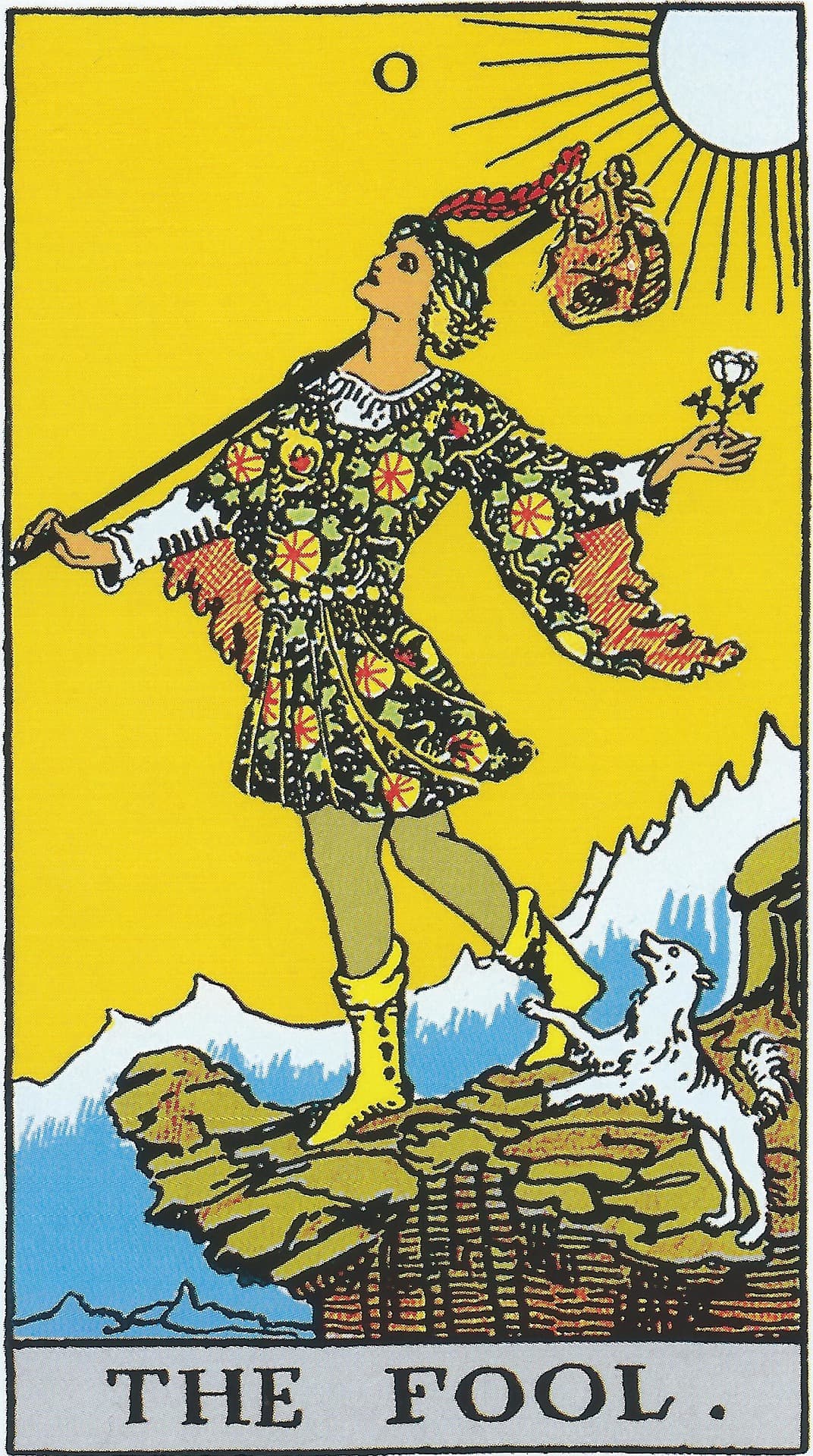
The Fool
Major Arcana • 0
Upright: beginnings, innocence, spontaneity
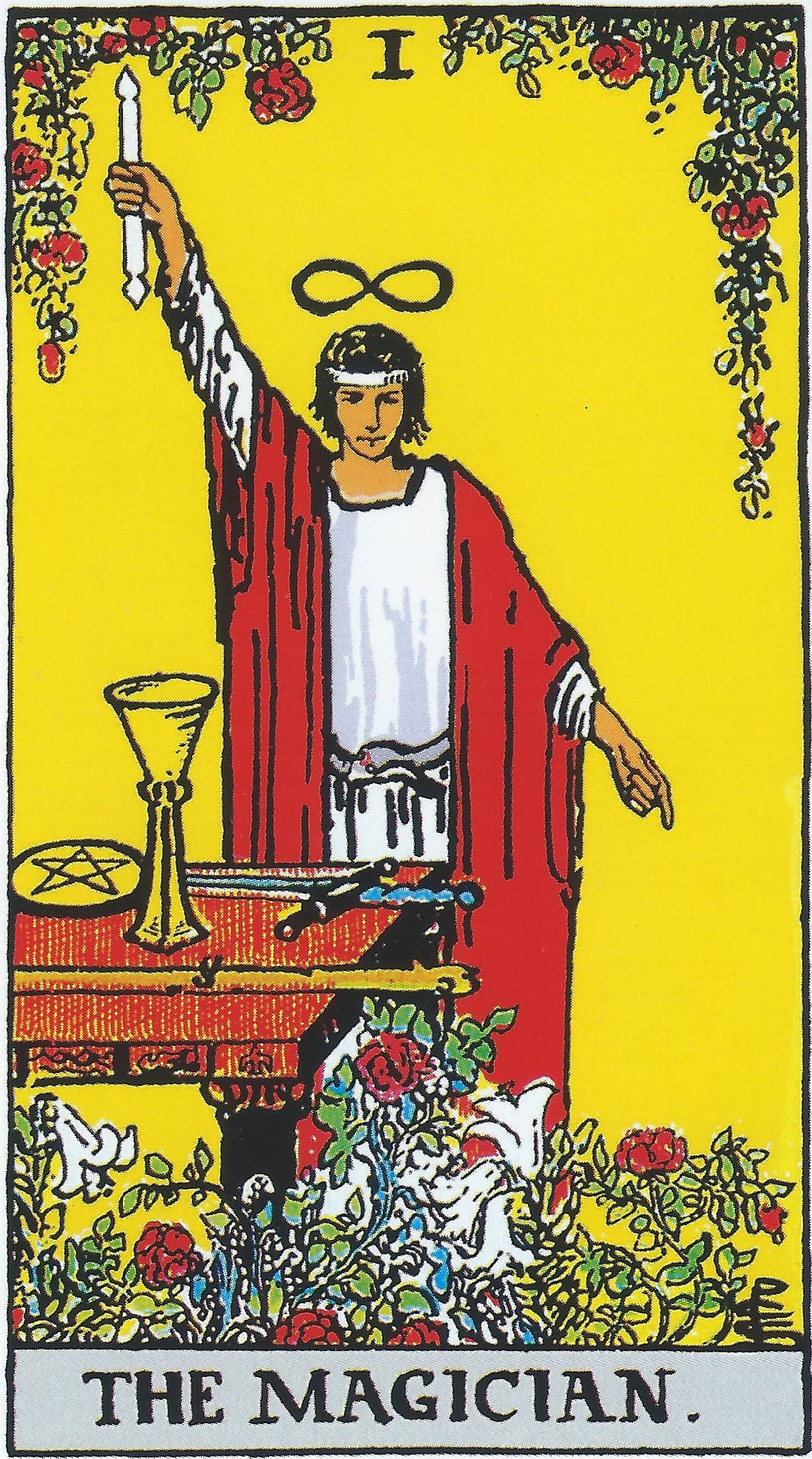
The Magician
Major Arcana • 1
Upright: manifestation, power, action
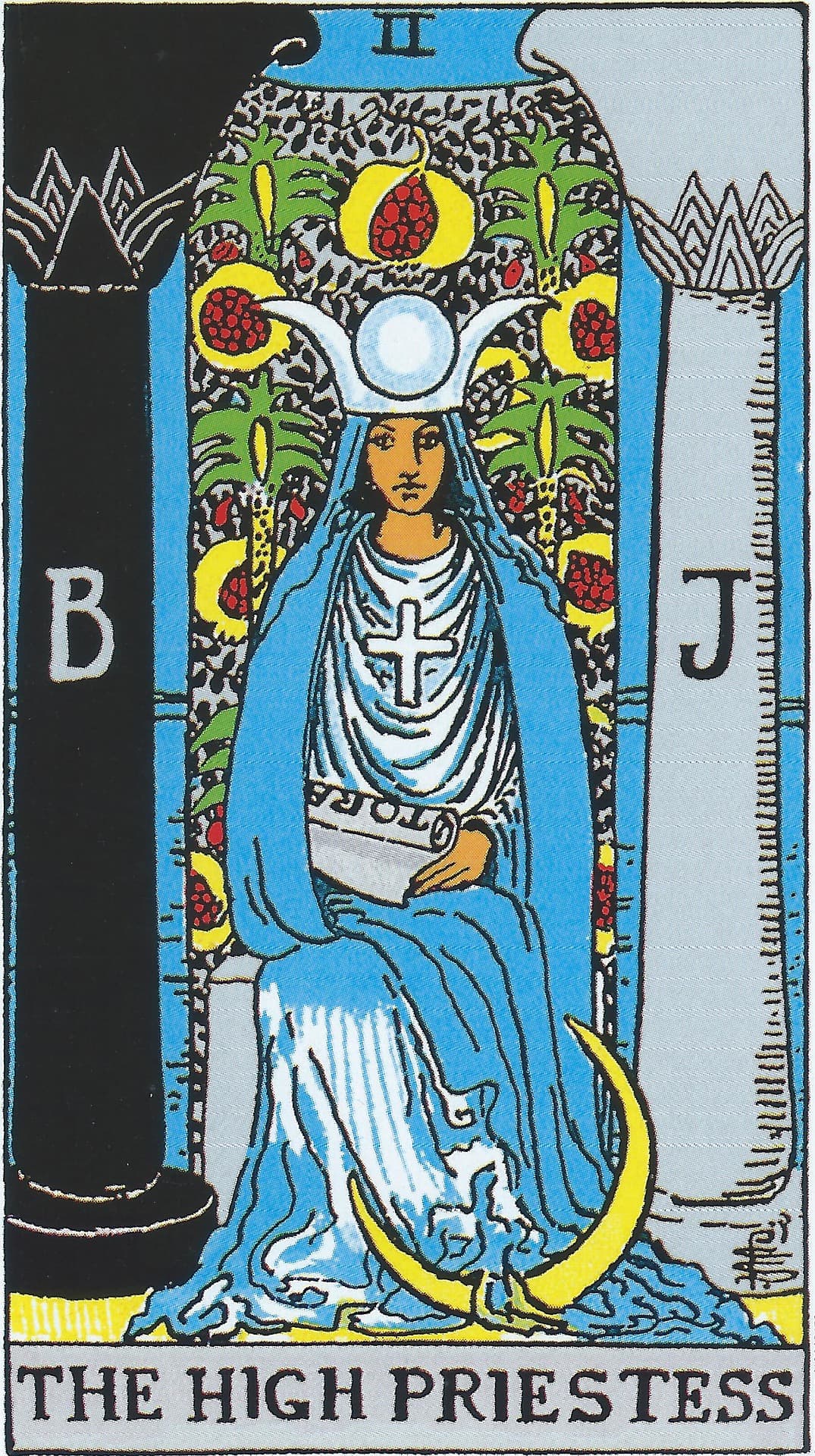
The High Priestess
Major Arcana • 2
Upright: intuition, wisdom, secrets
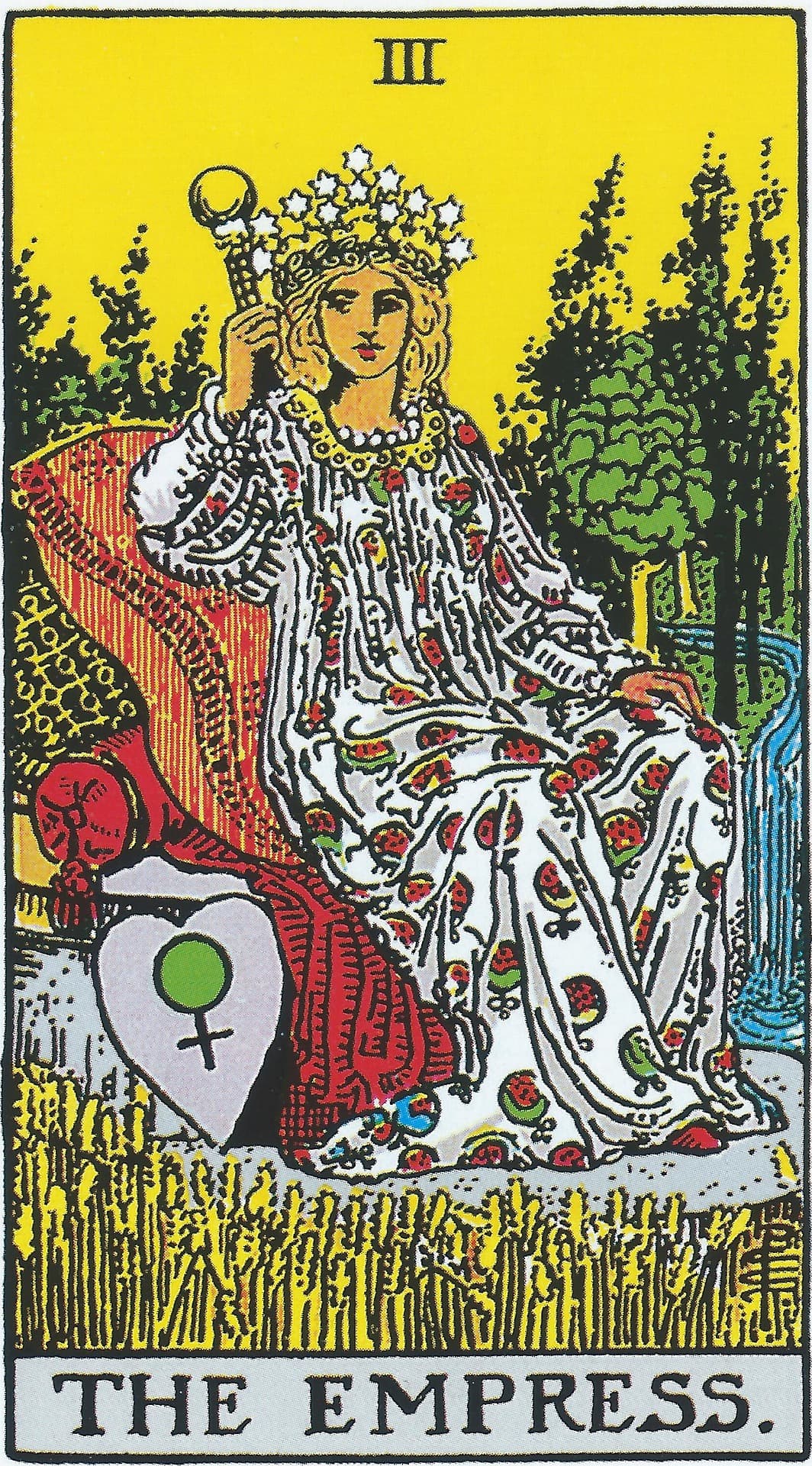
The Empress
Major Arcana • 3
Upright: abundance, nurturing, fertility
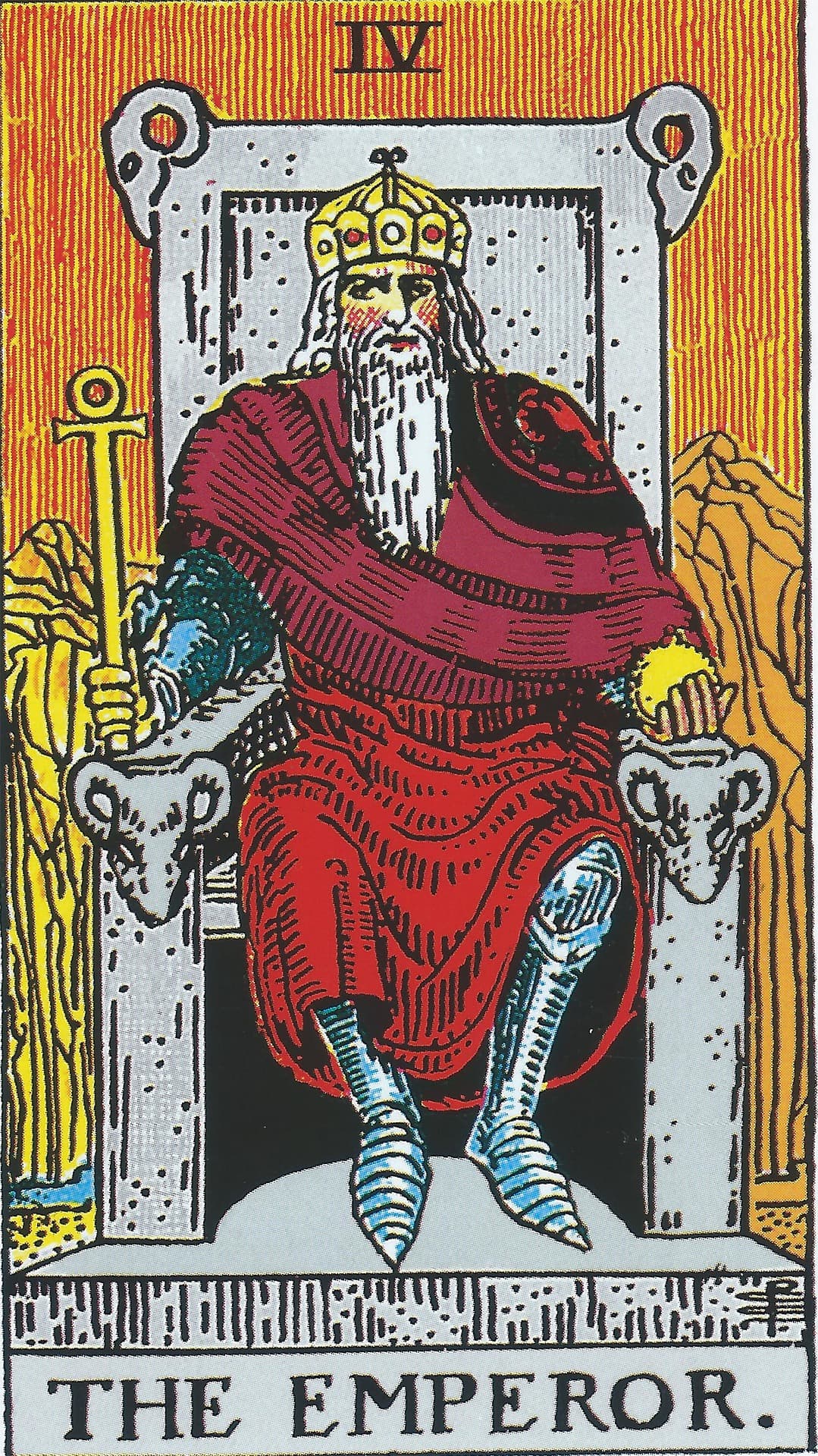
The Emperor
Major Arcana • 4
Upright: authority, structure, leadership
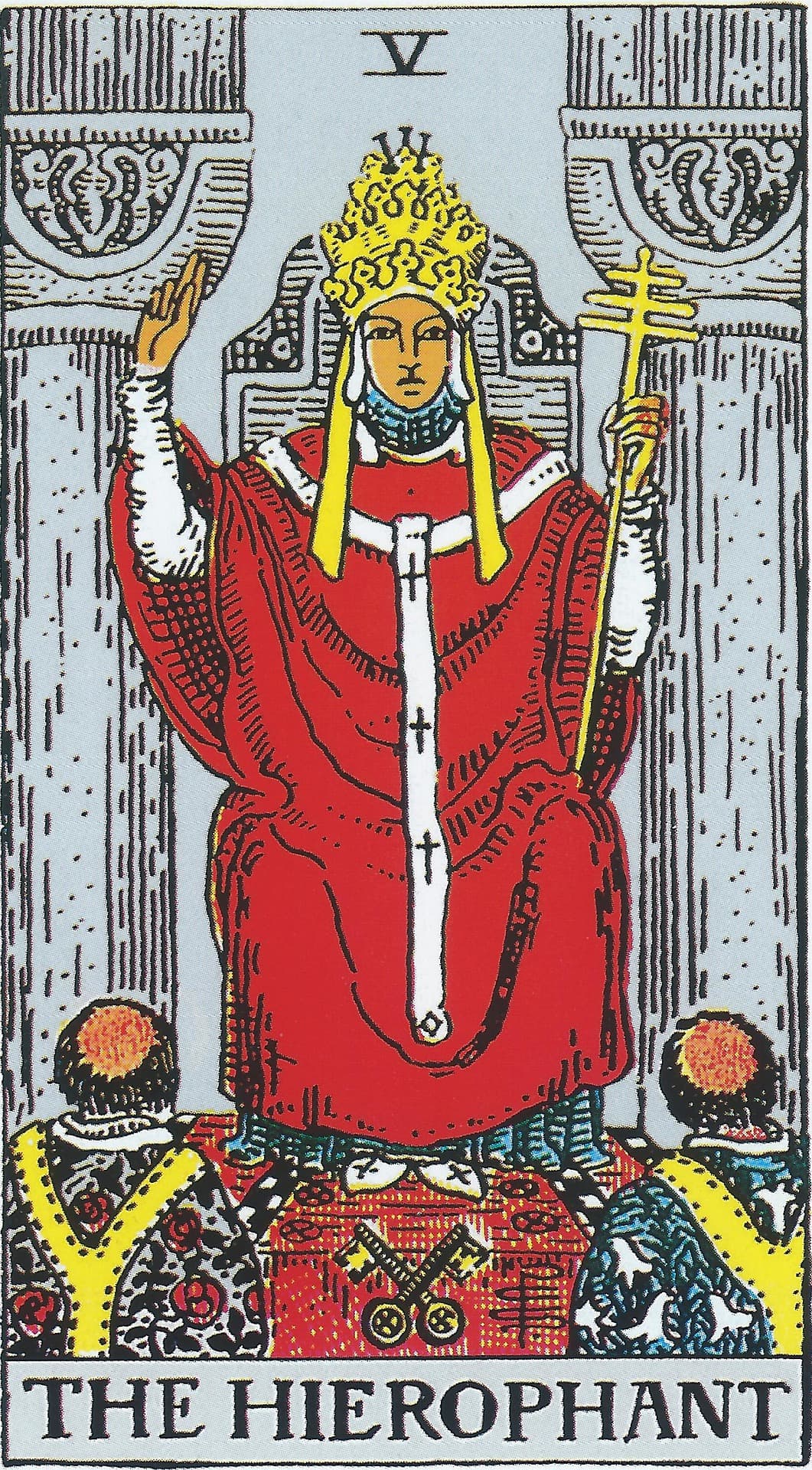
The Hierophant
Major Arcana • 5
Upright: tradition, wisdom, religious beliefs
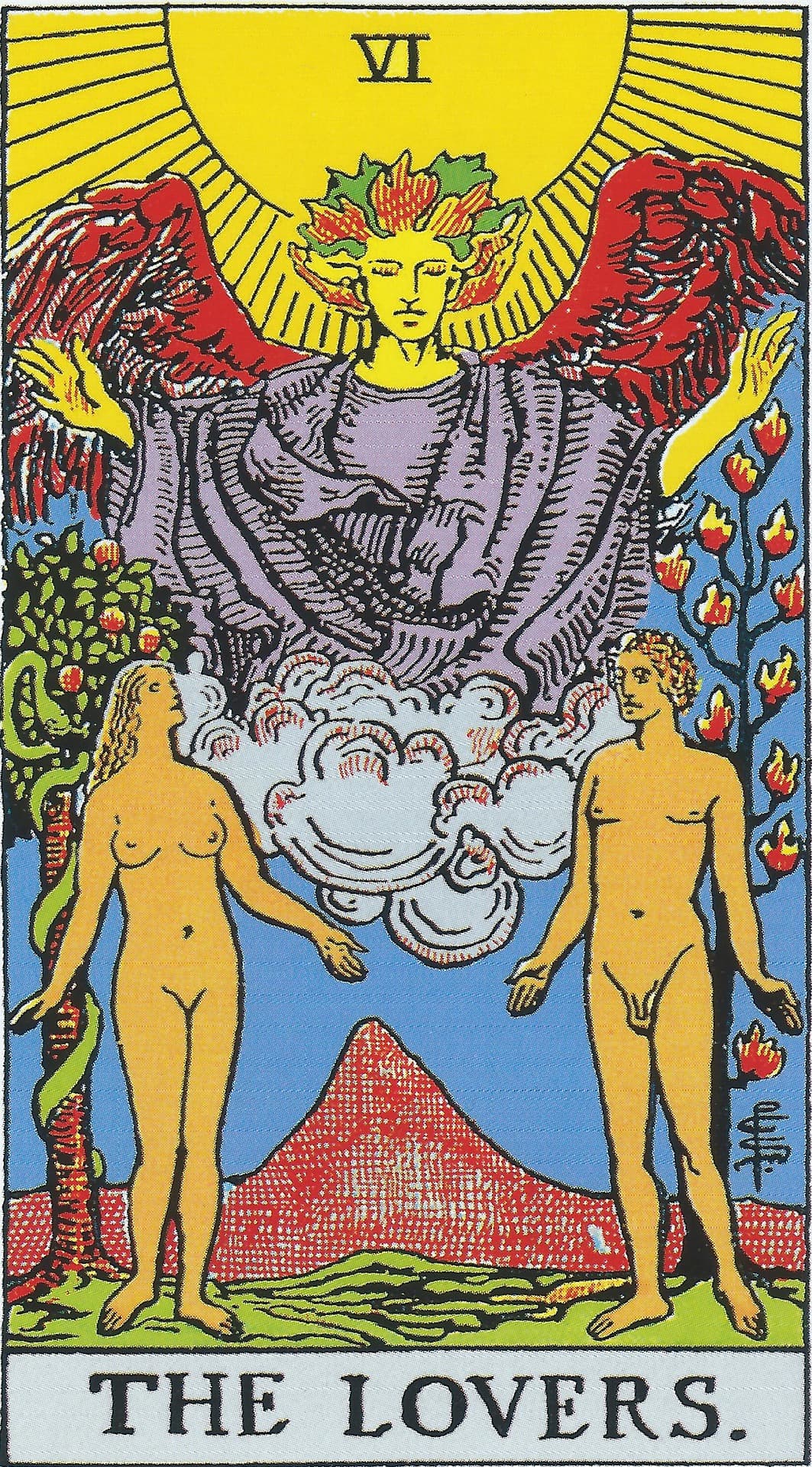
The Lovers
Major Arcana • 6
Upright: love, harmony, choices
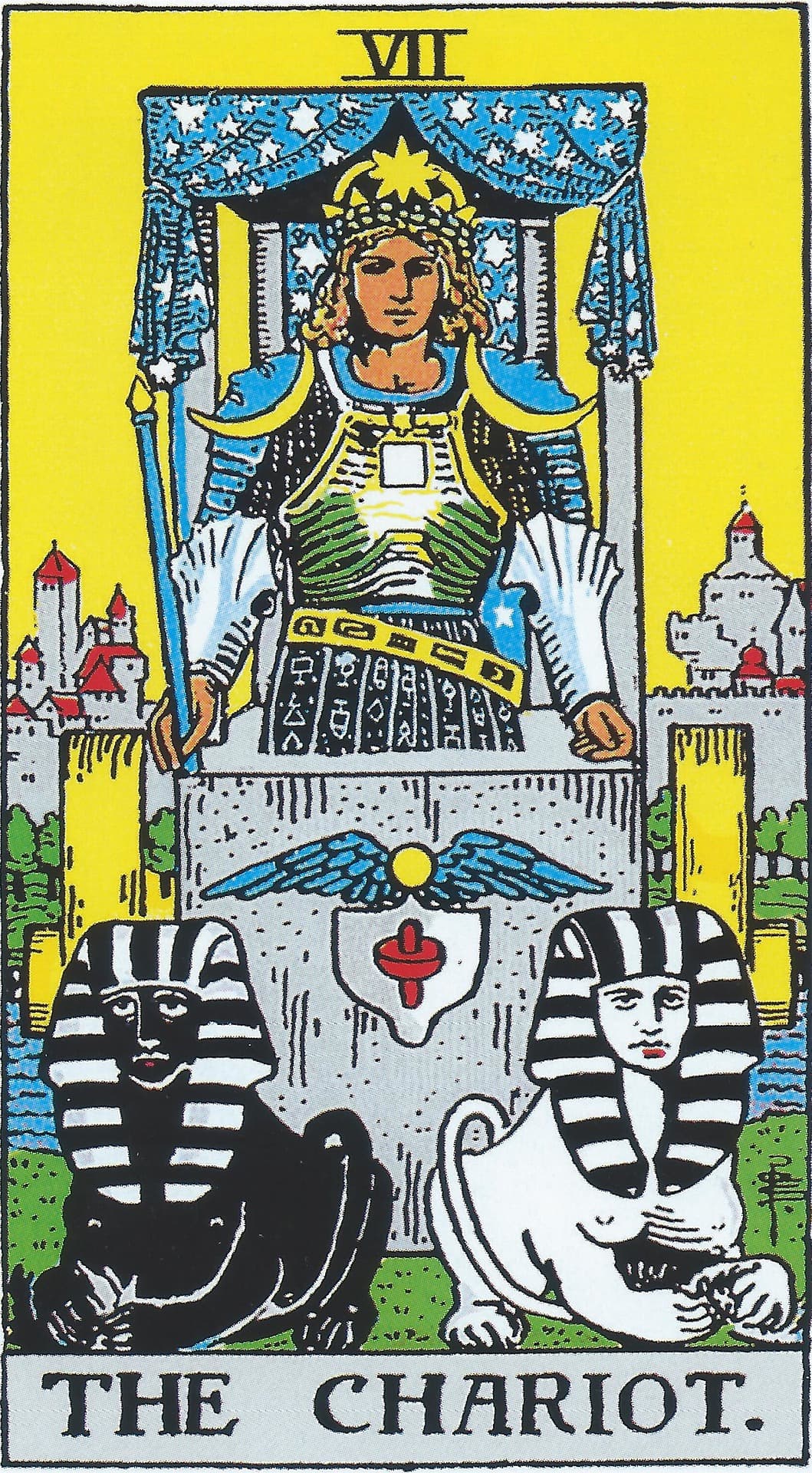
The Chariot
Major Arcana • 7
Upright: willpower, determination, victory
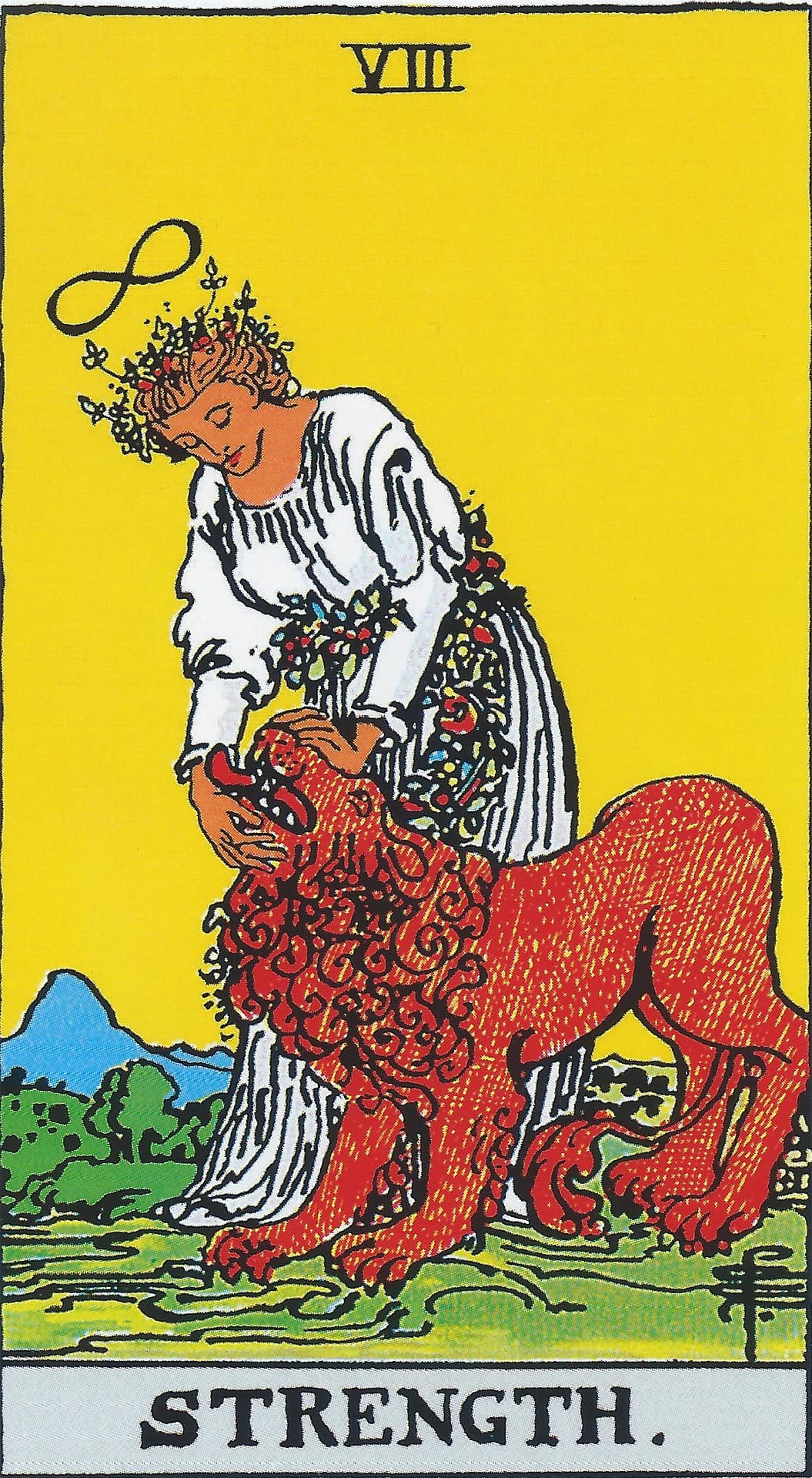
Strength
Major Arcana • 8
Upright: courage, patience, compassion
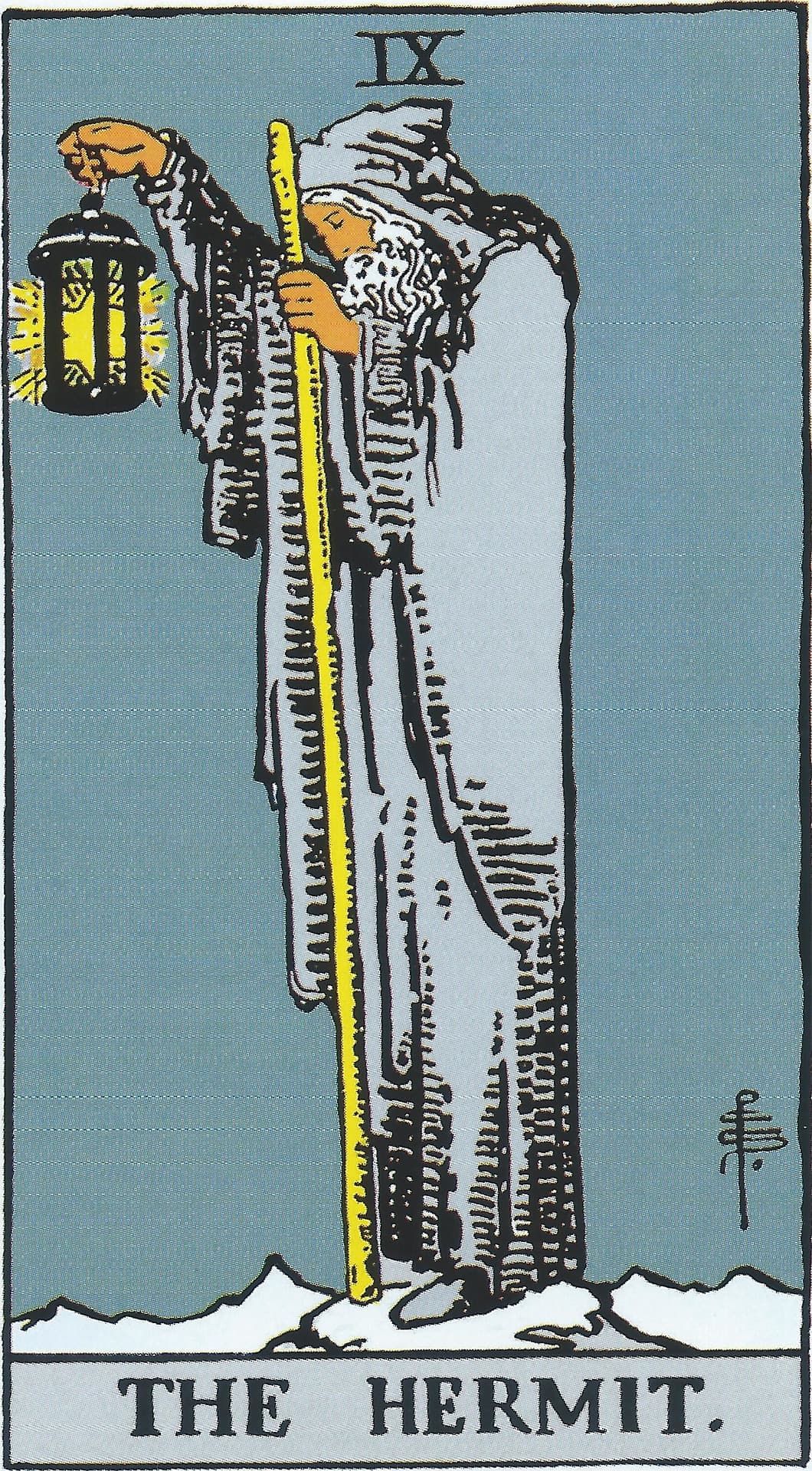
The Hermit
Major Arcana • 9
Upright: introspection, solitude, guidance
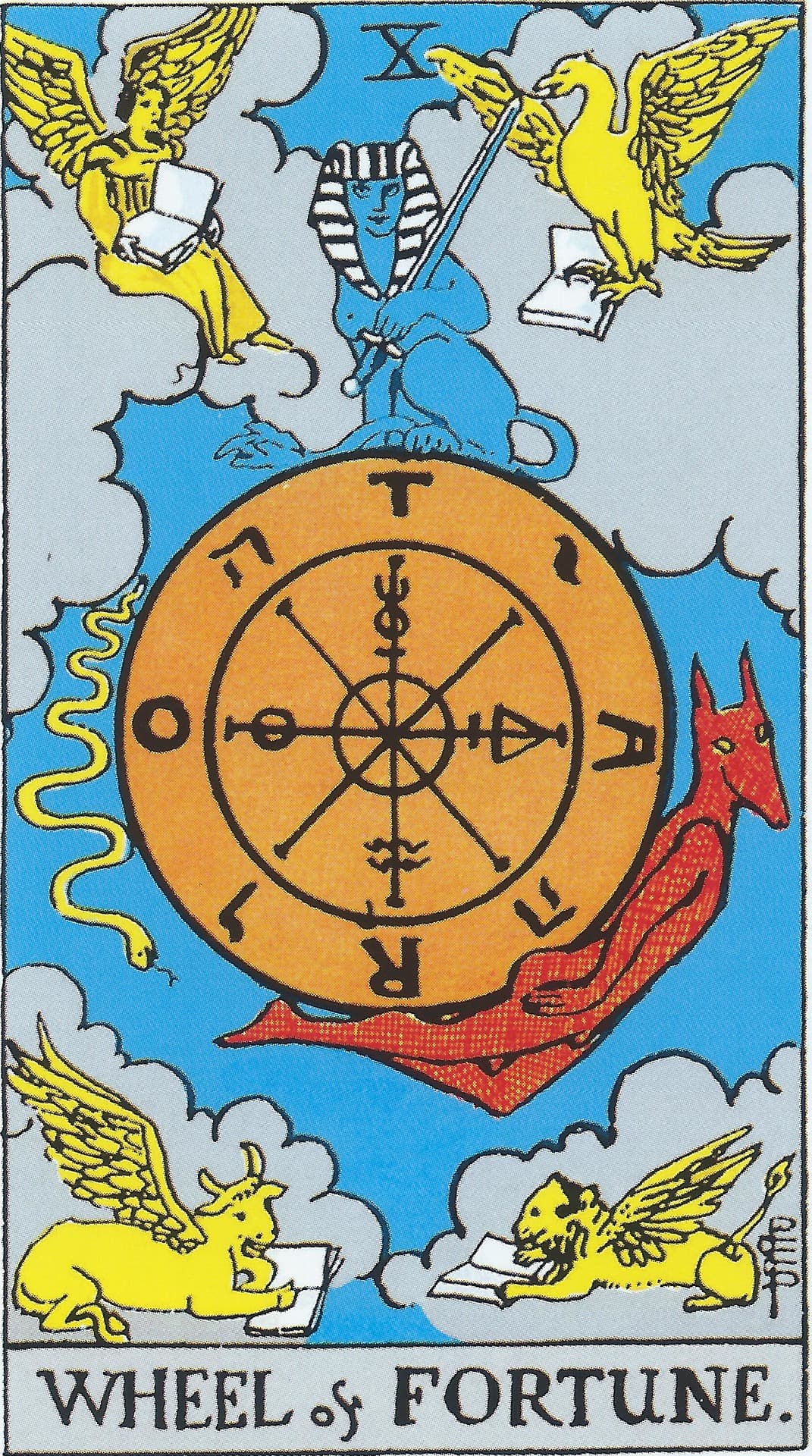
Wheel of Fortune
Major Arcana • 10
Upright: change, cycles, fate
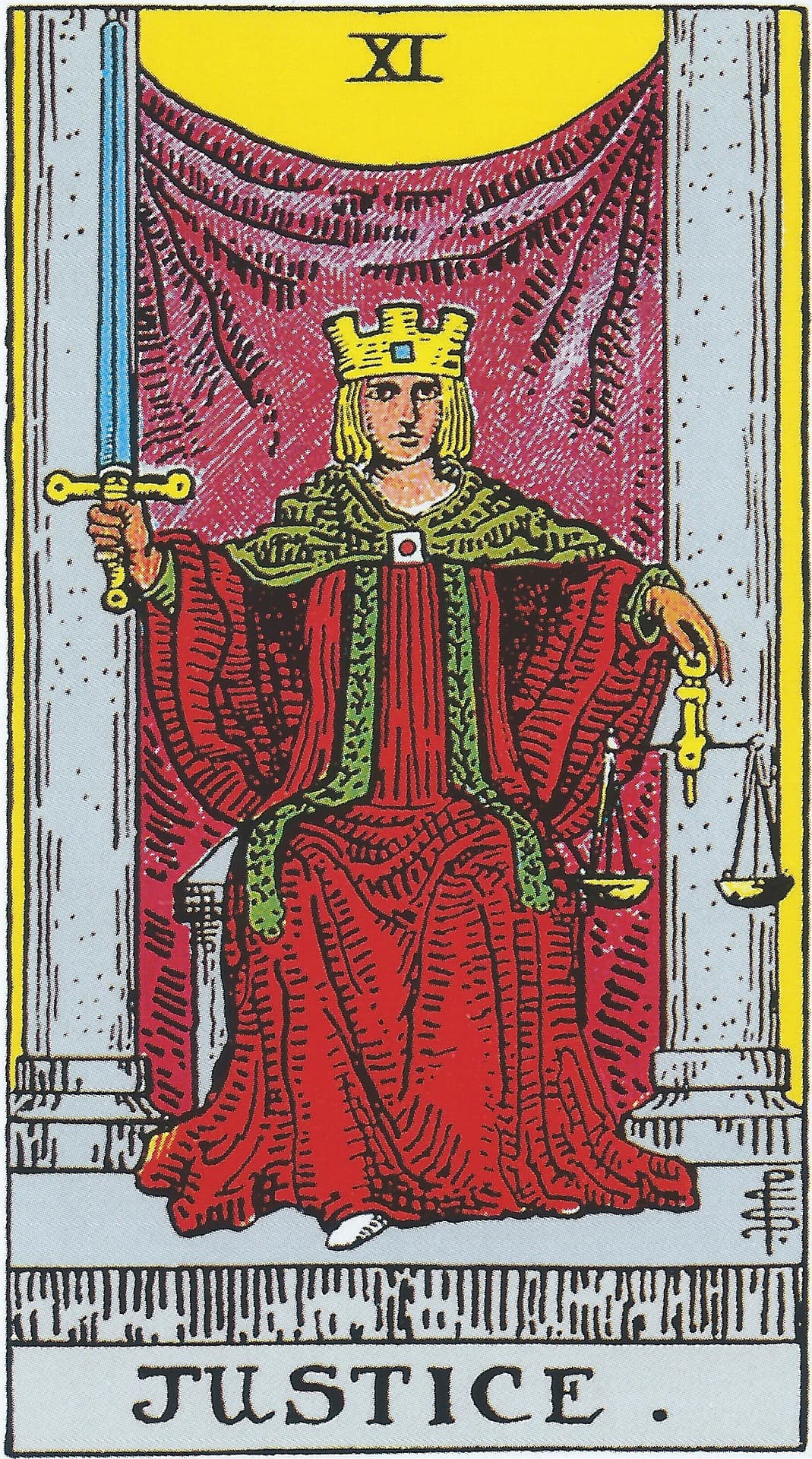
Justice
Major Arcana • 11
Upright: justice, fairness, truth
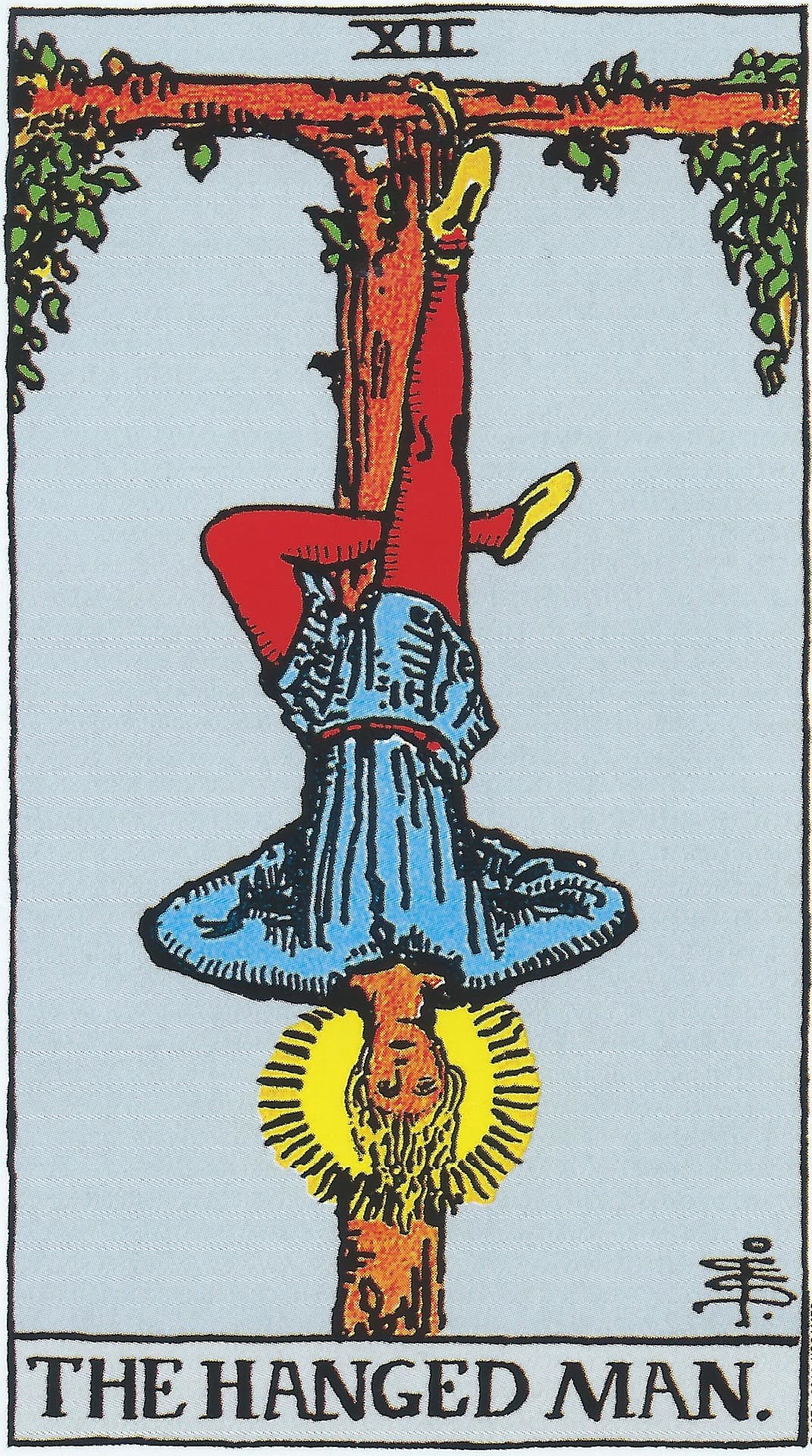
The Hanged Man
Major Arcana • 12
Upright: surrender, perspective, sacrifice
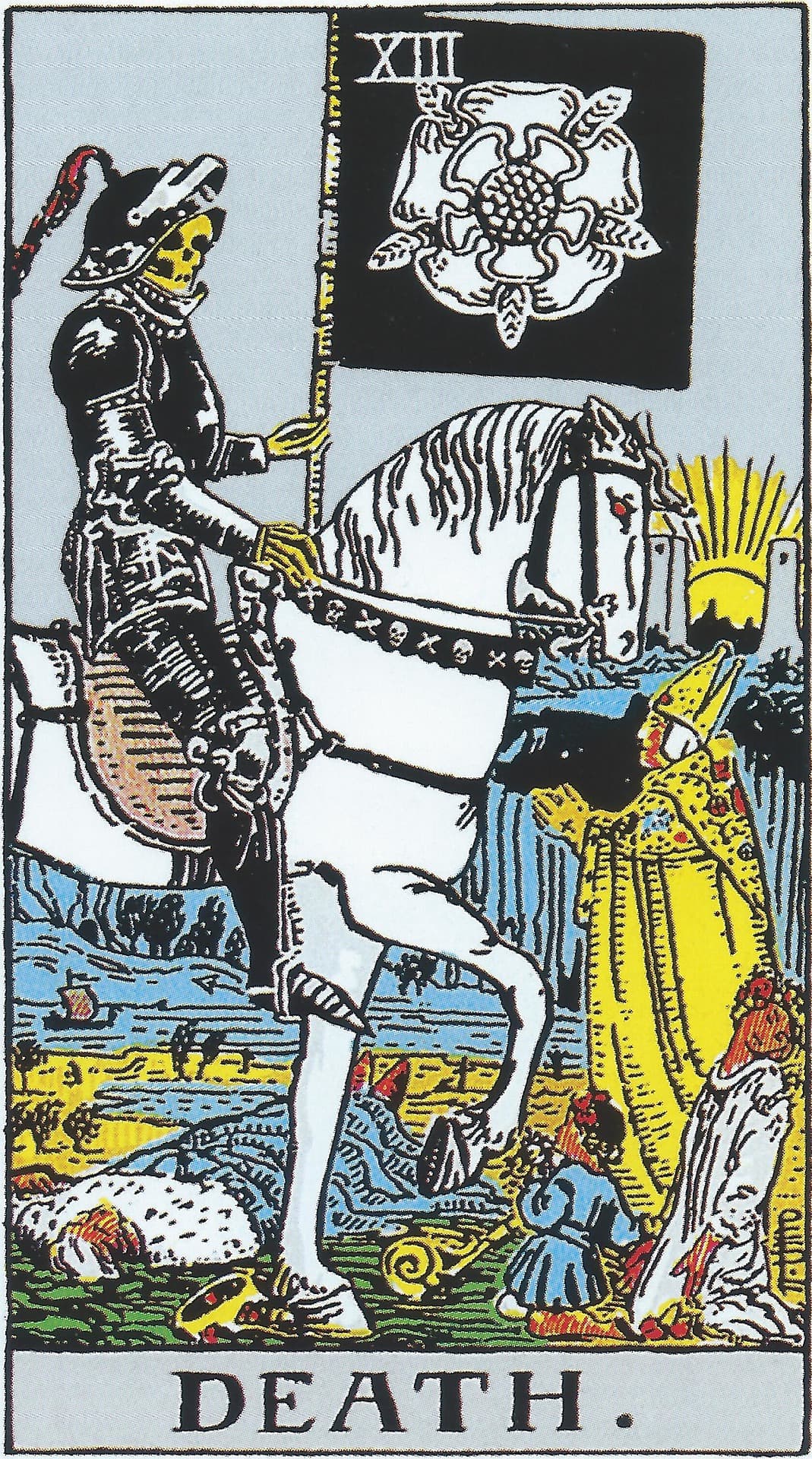
Death
Major Arcana • 13
Upright: transformation, endings, change
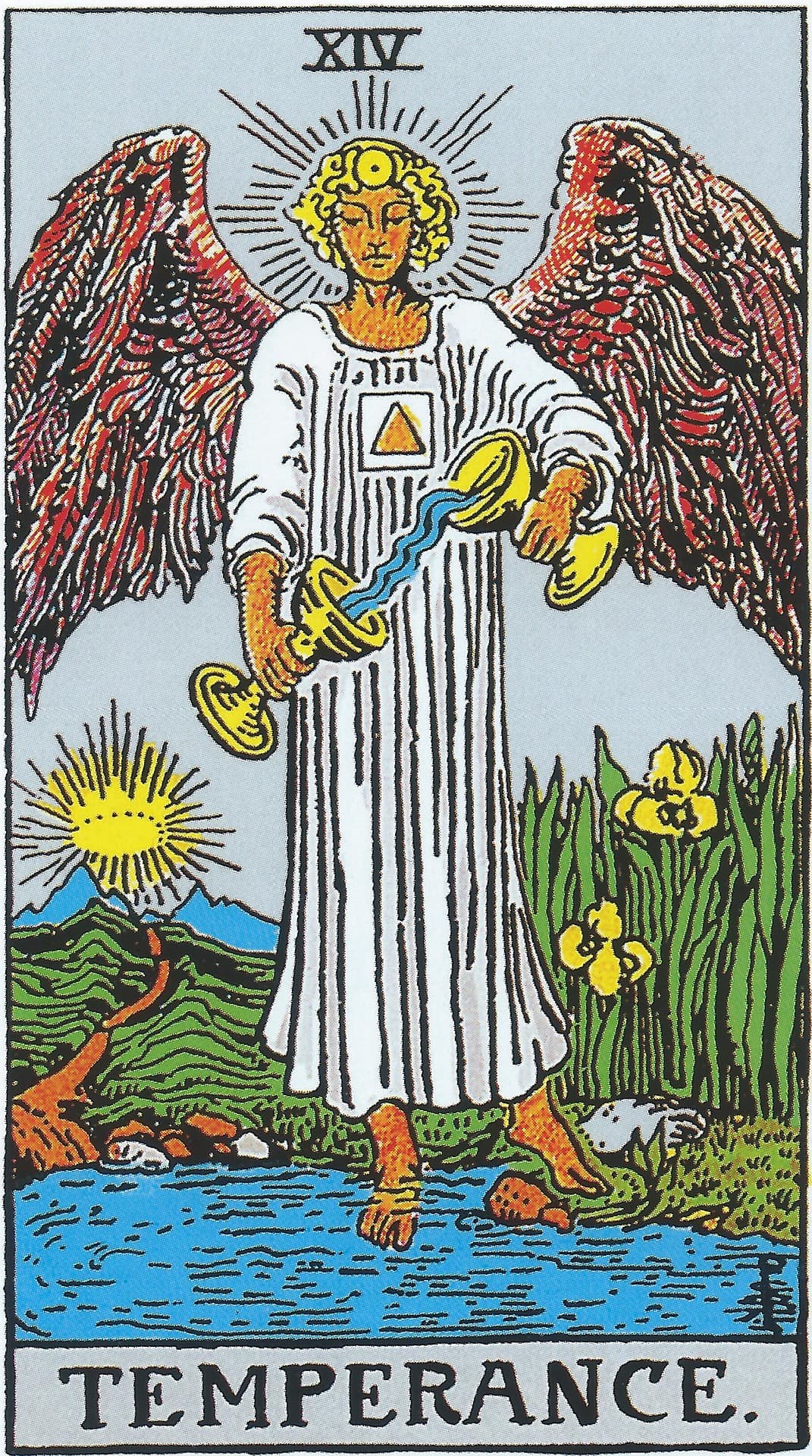
Temperance
Major Arcana • 14
Upright: balance, moderation, patience
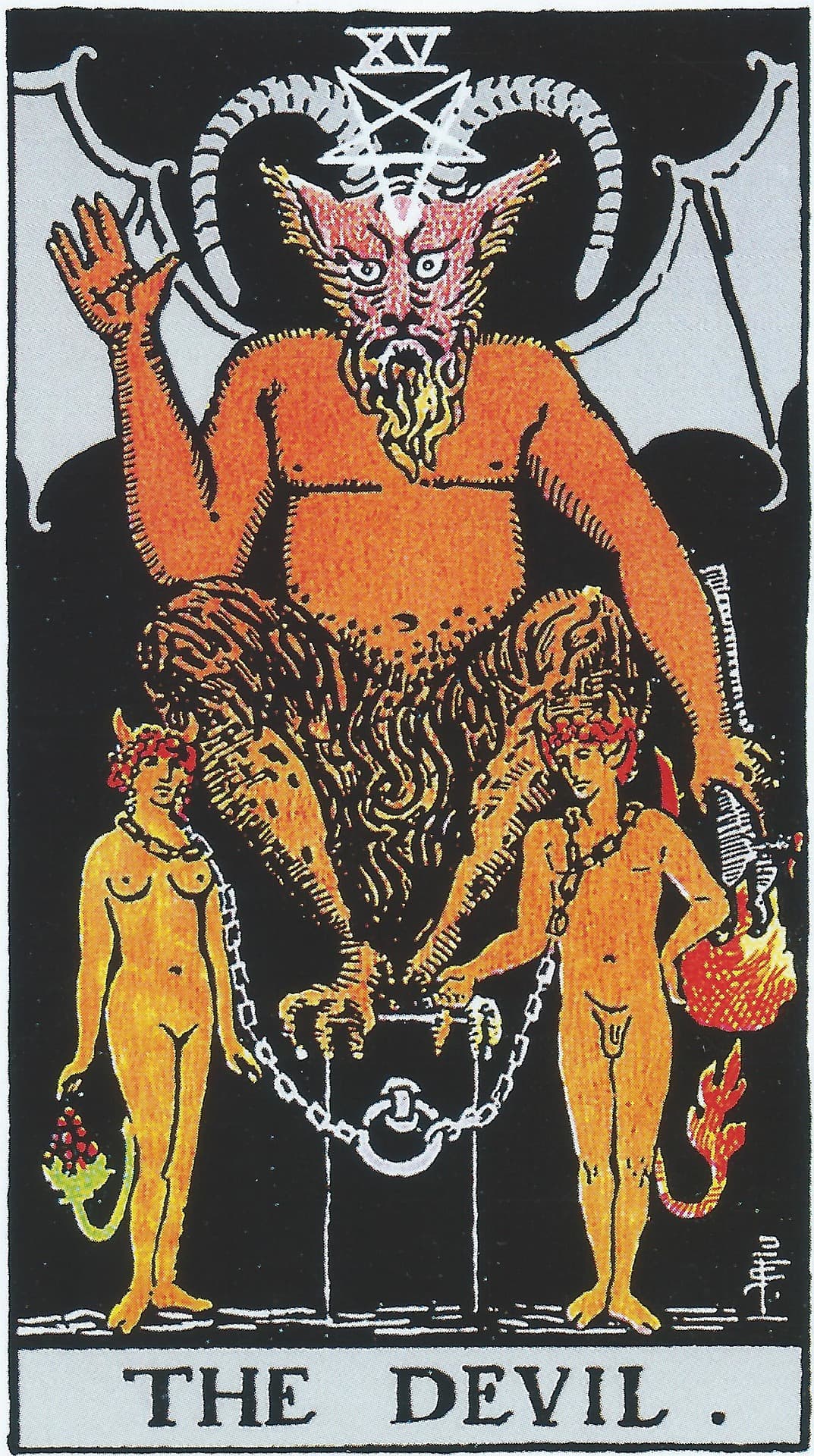
The Devil
Major Arcana • 15
Upright: bondage, materialism, addiction
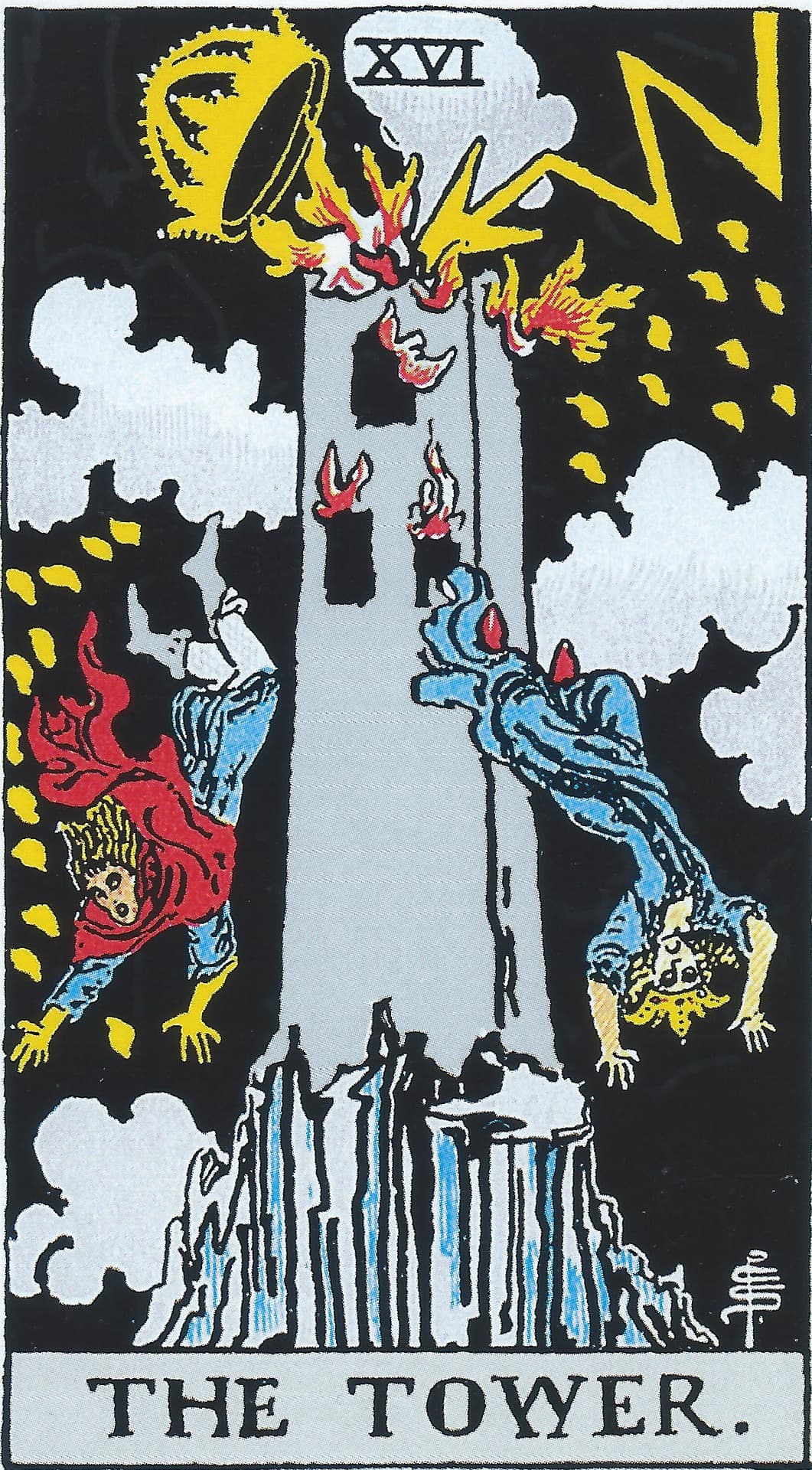
The Tower
Major Arcana • 16
Upright: disruption, change, revelation
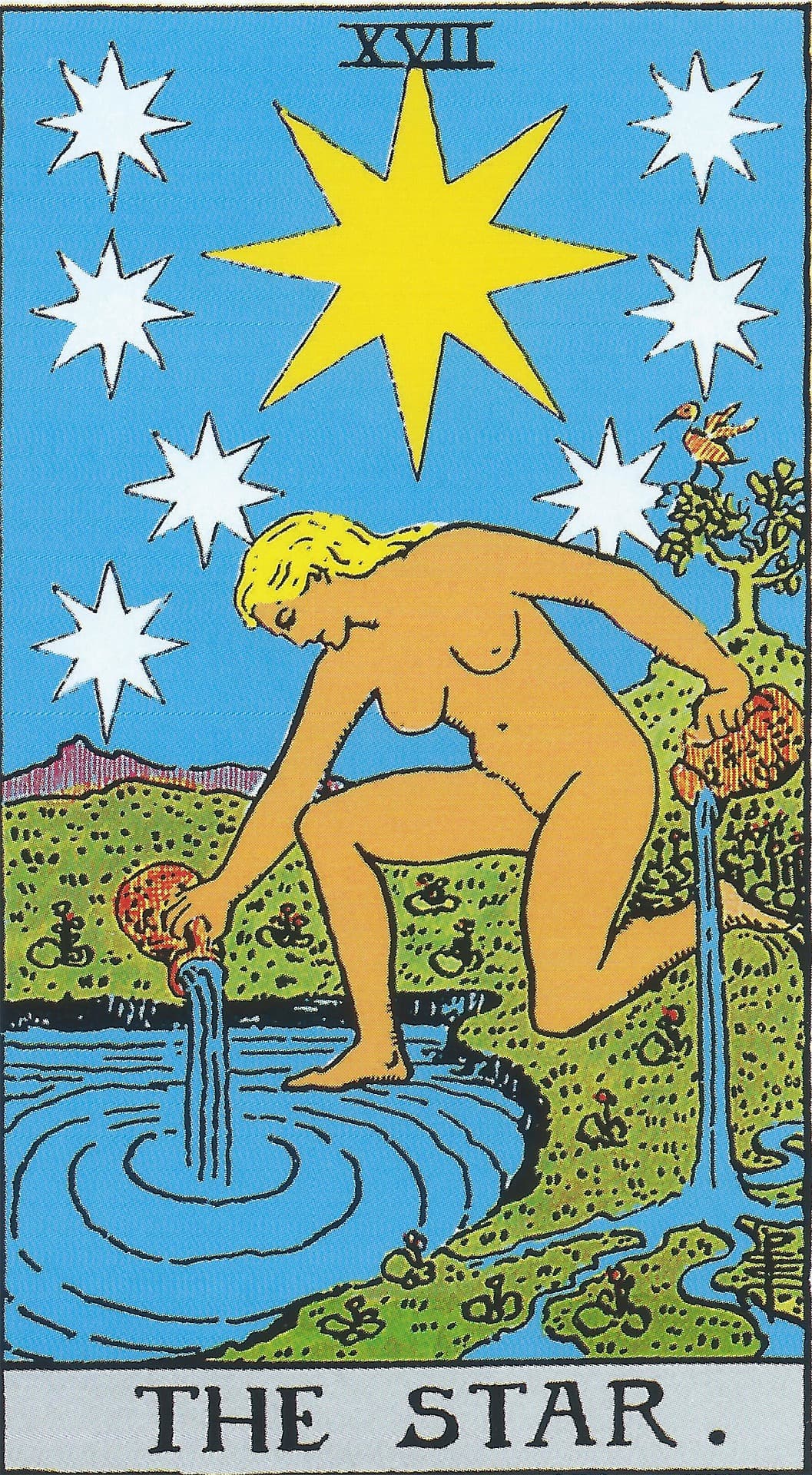
The Star
Major Arcana • 17
Upright: hope, inspiration, renewal
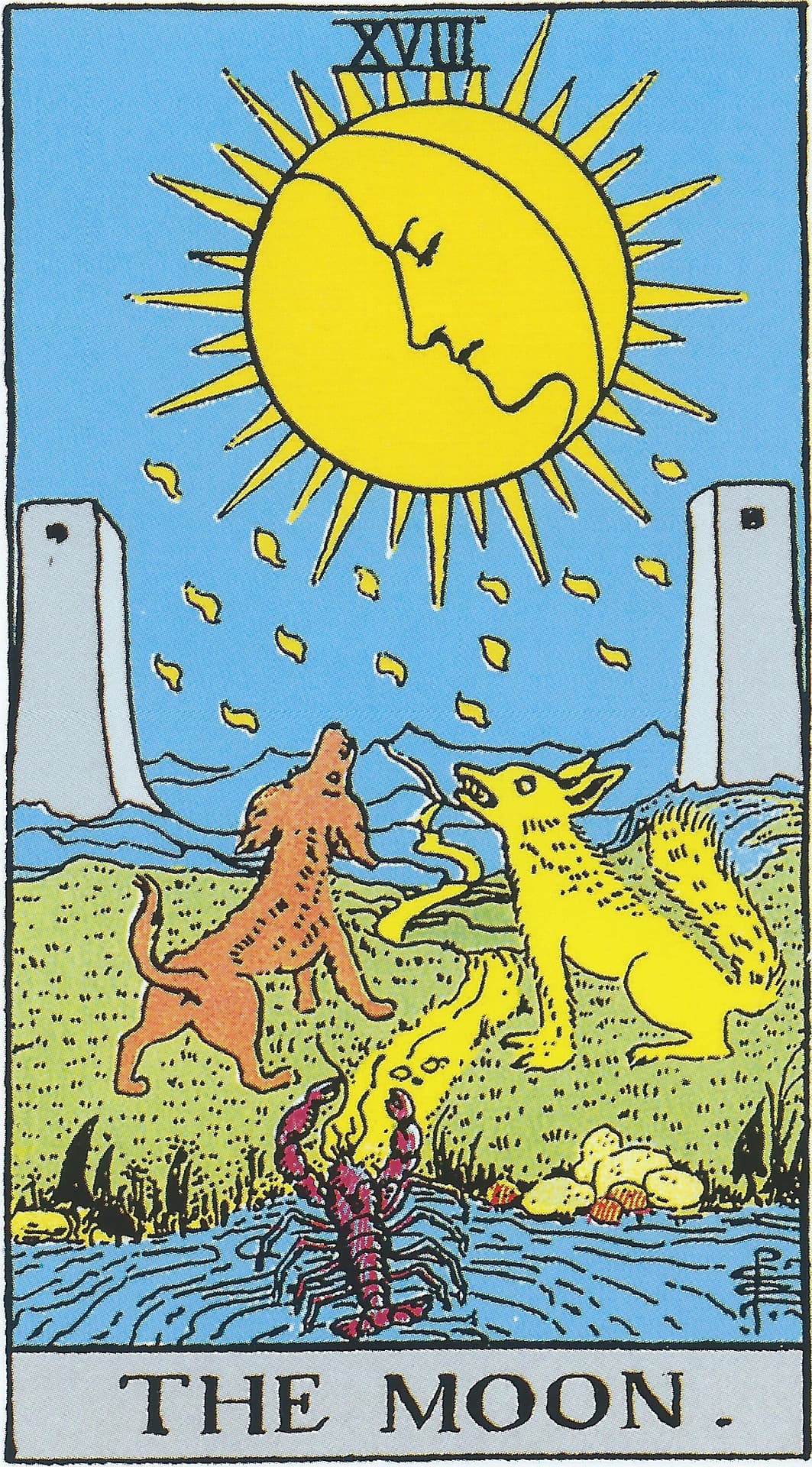
The Moon
Major Arcana • 18
Upright: intuition, illusion, dreams
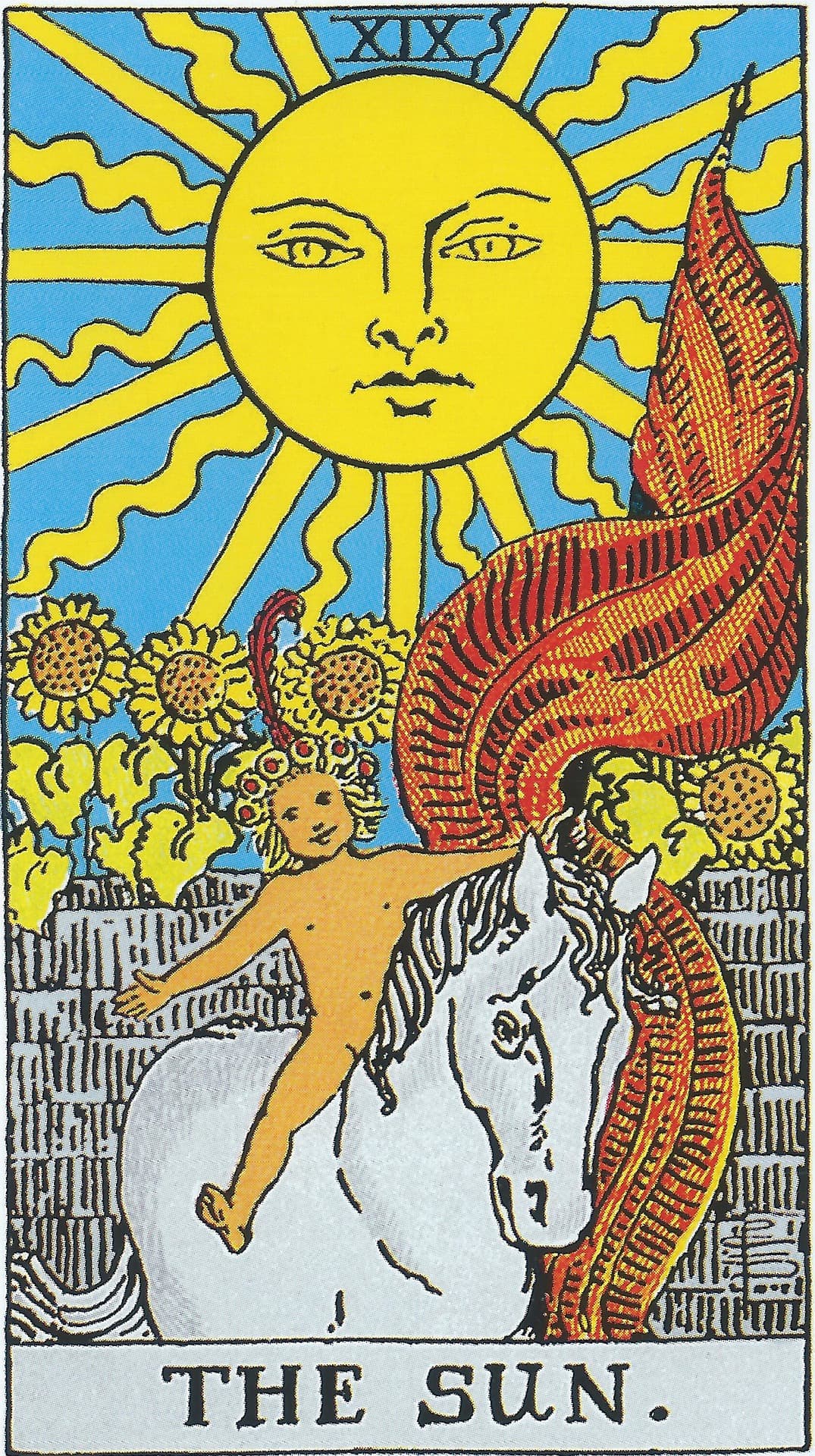
The Sun
Major Arcana • 19
Upright: joy, success, positivity
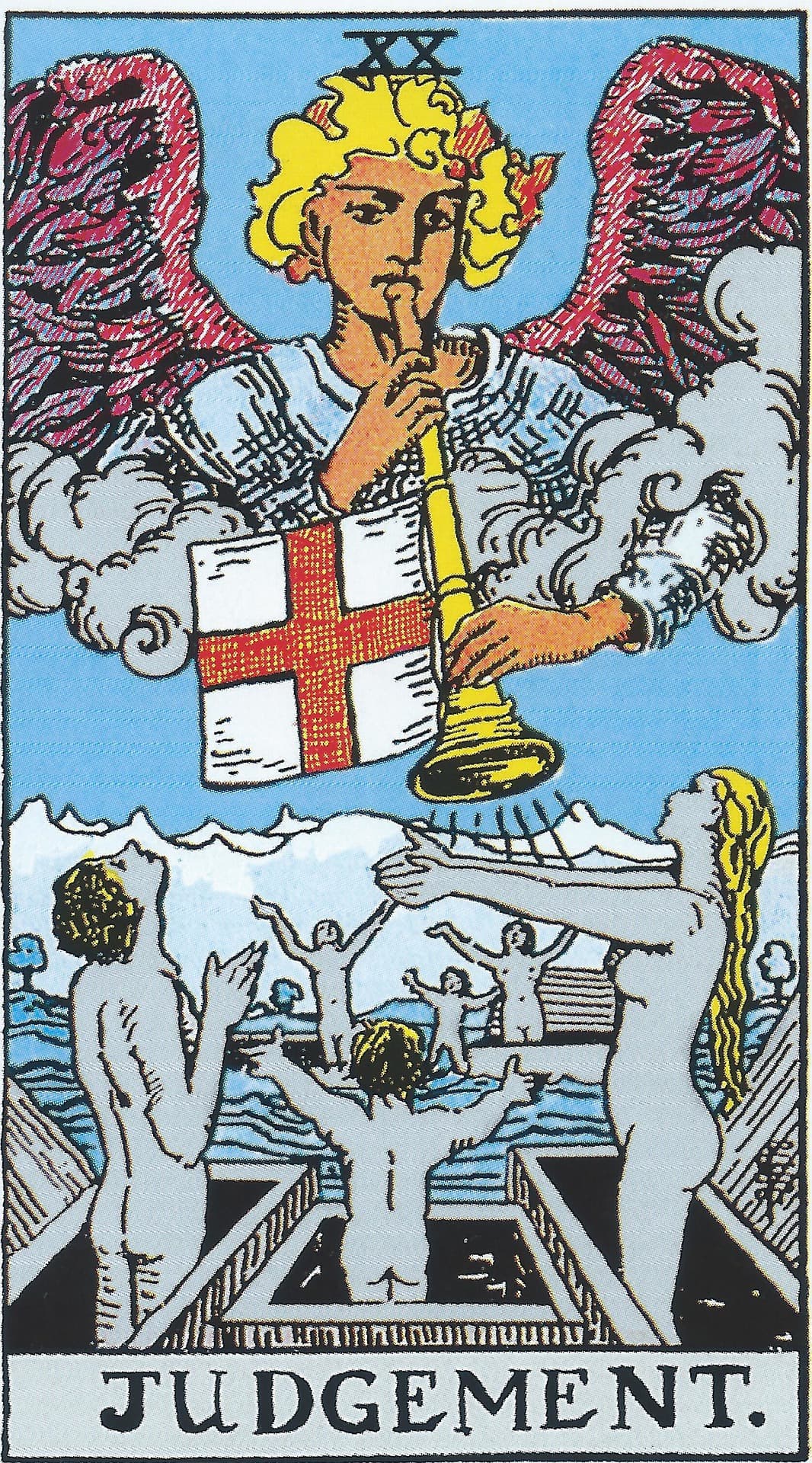
Judgement
Major Arcana • 20
Upright: rebirth, awakening, purpose
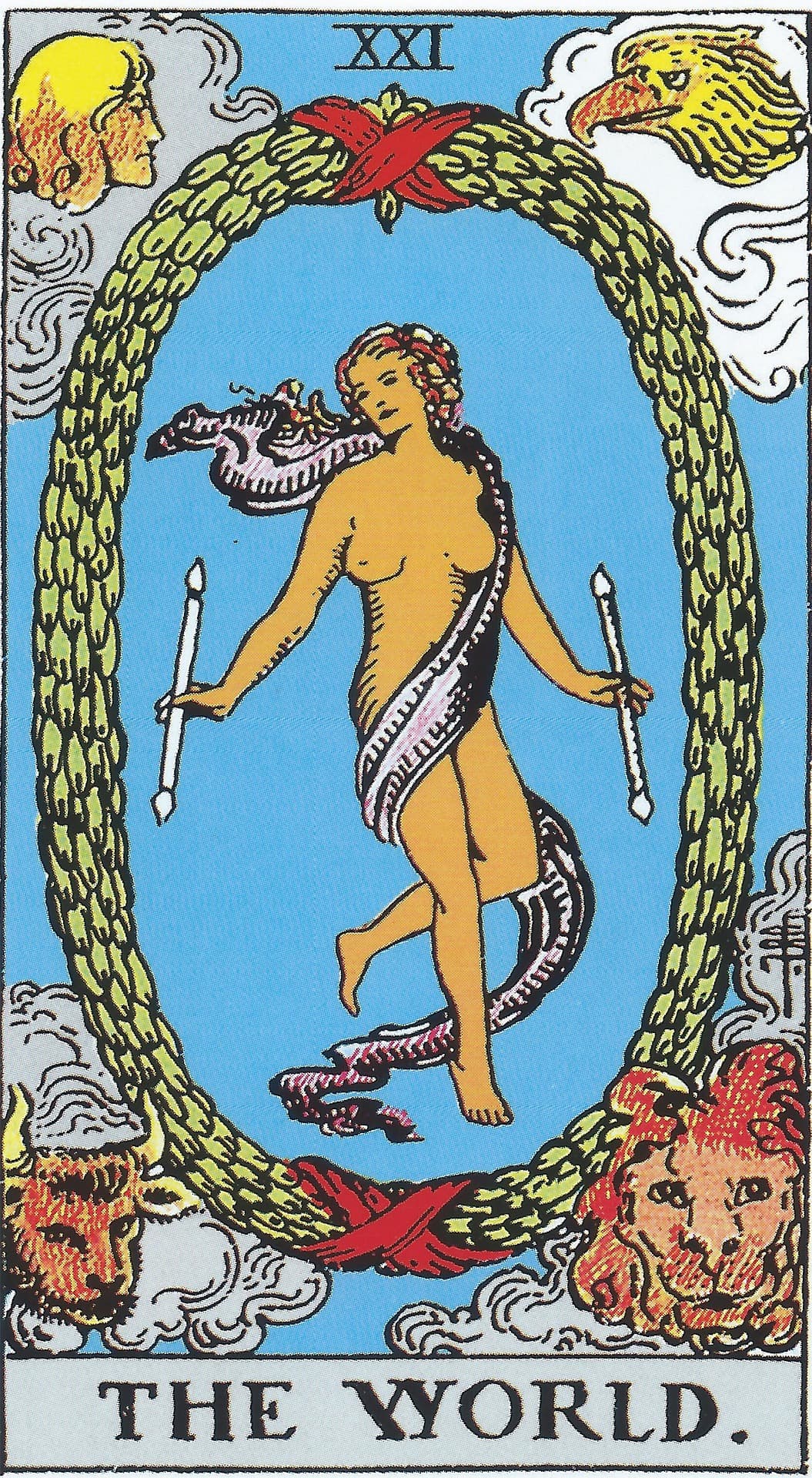
The World
Major Arcana • 21
Upright: completion, achievement, fulfillment
Minor Arcana
The four suits of daily life
The 56 Minor Arcana cards cover everyday concerns and current energies in daily life. All four suits are on this page, so a crawler does not need a separate filtered URL.
Suit of Cups
Water Element • Emotions, Love, Relationships, Intuition, Feelings
Cups are the Water suit: emotions, love, relationships, and intuition. Pull Cups when the question is about feelings, connection, or matters of the heart.
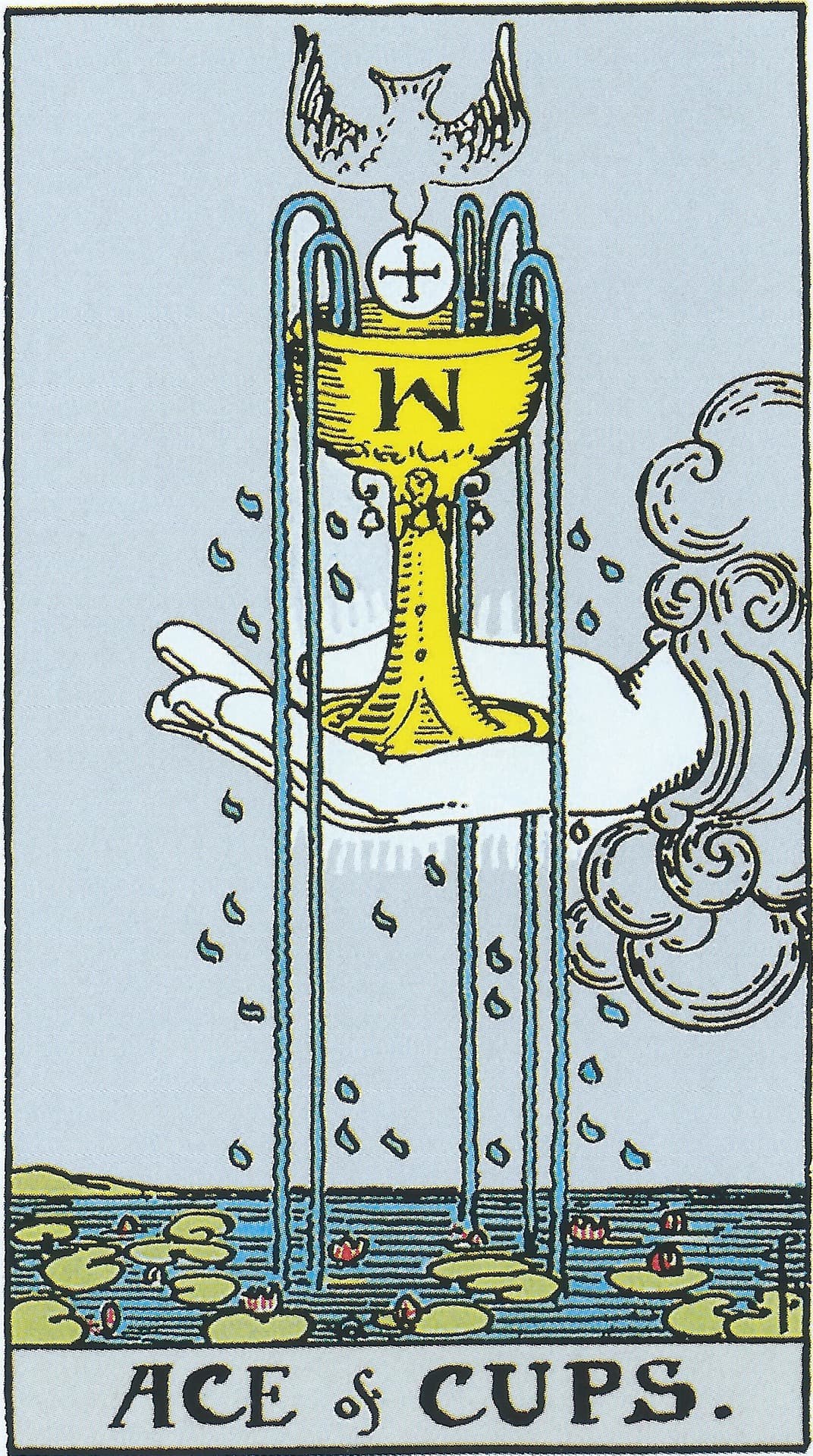
Ace of Cups
Cups • 1
Upright: love, emotions, compassion
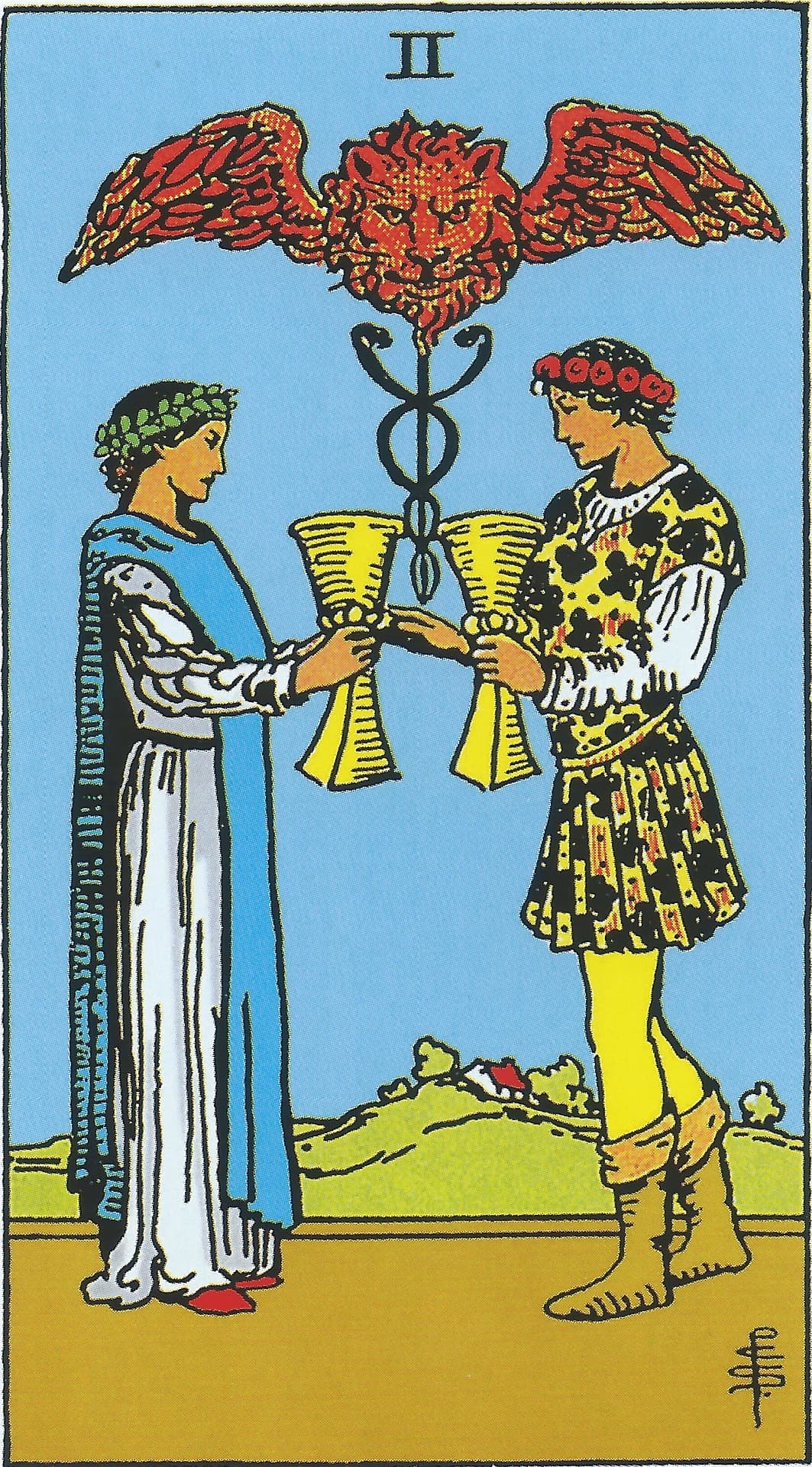
Two of Cups
Cups • 2
Upright: partnership, connection, attraction
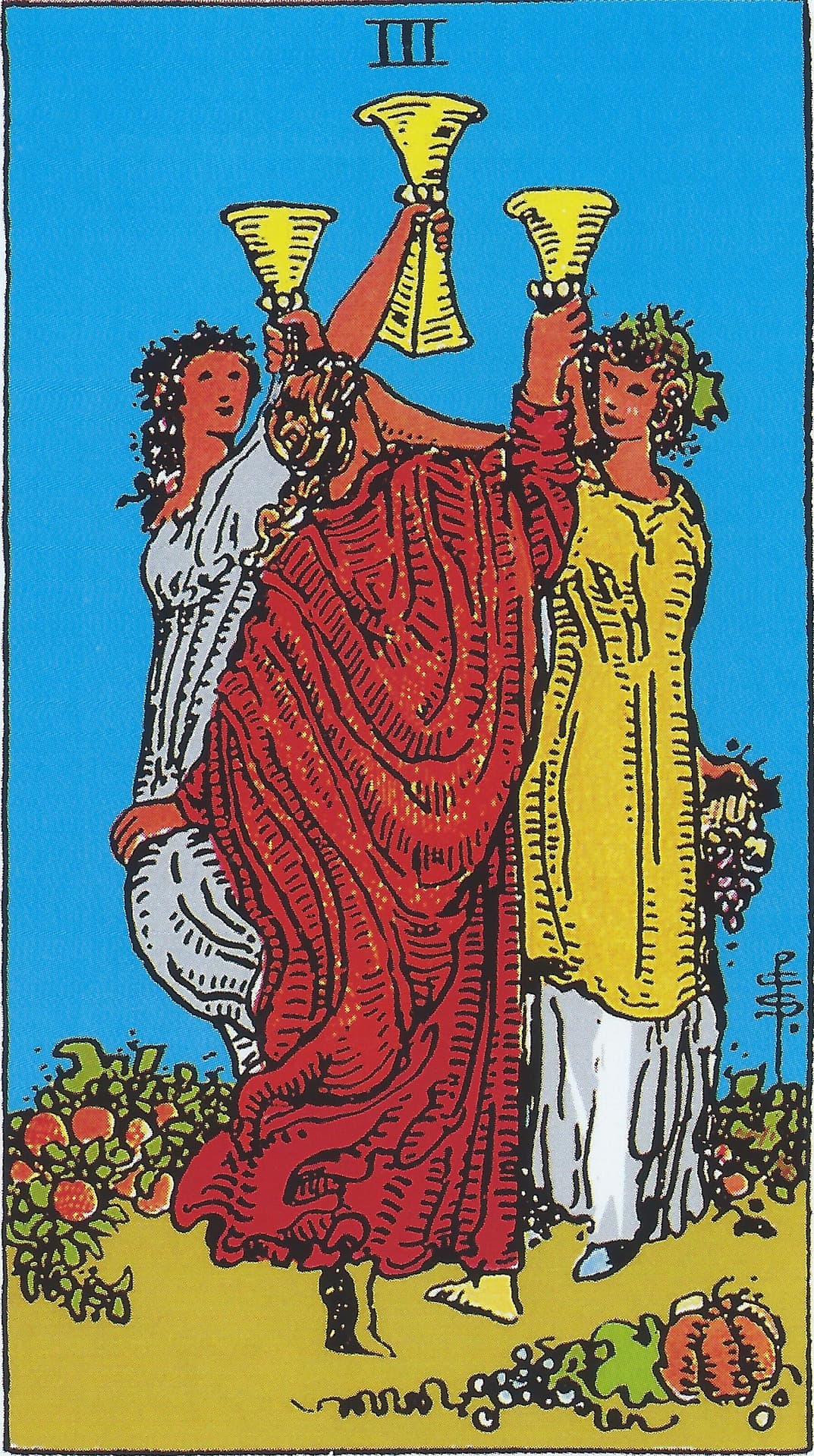
Three of Cups
Cups • 3
Upright: celebration, friendship, community
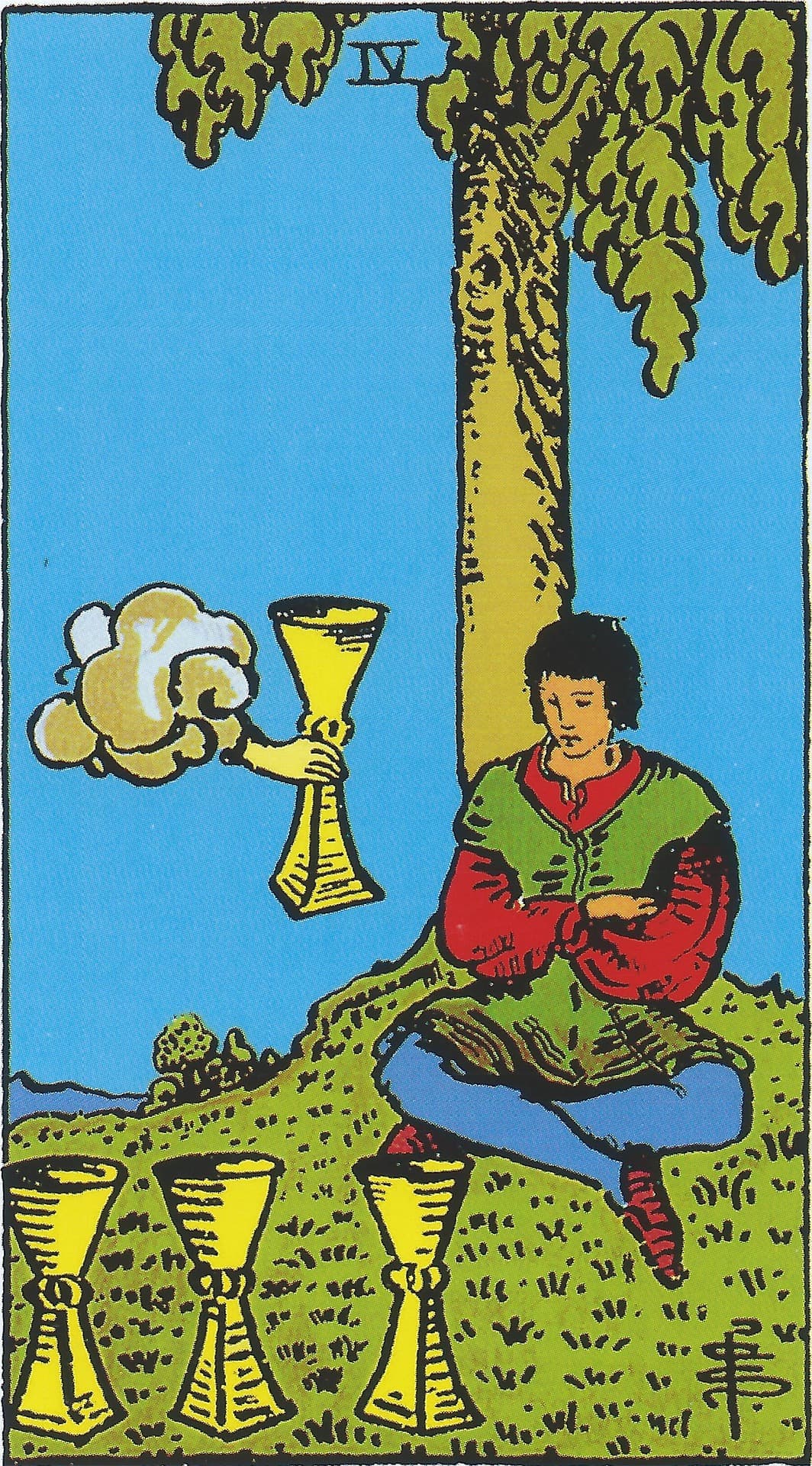
Four of Cups
Cups • 4
Upright: contemplation, apathy, meditation
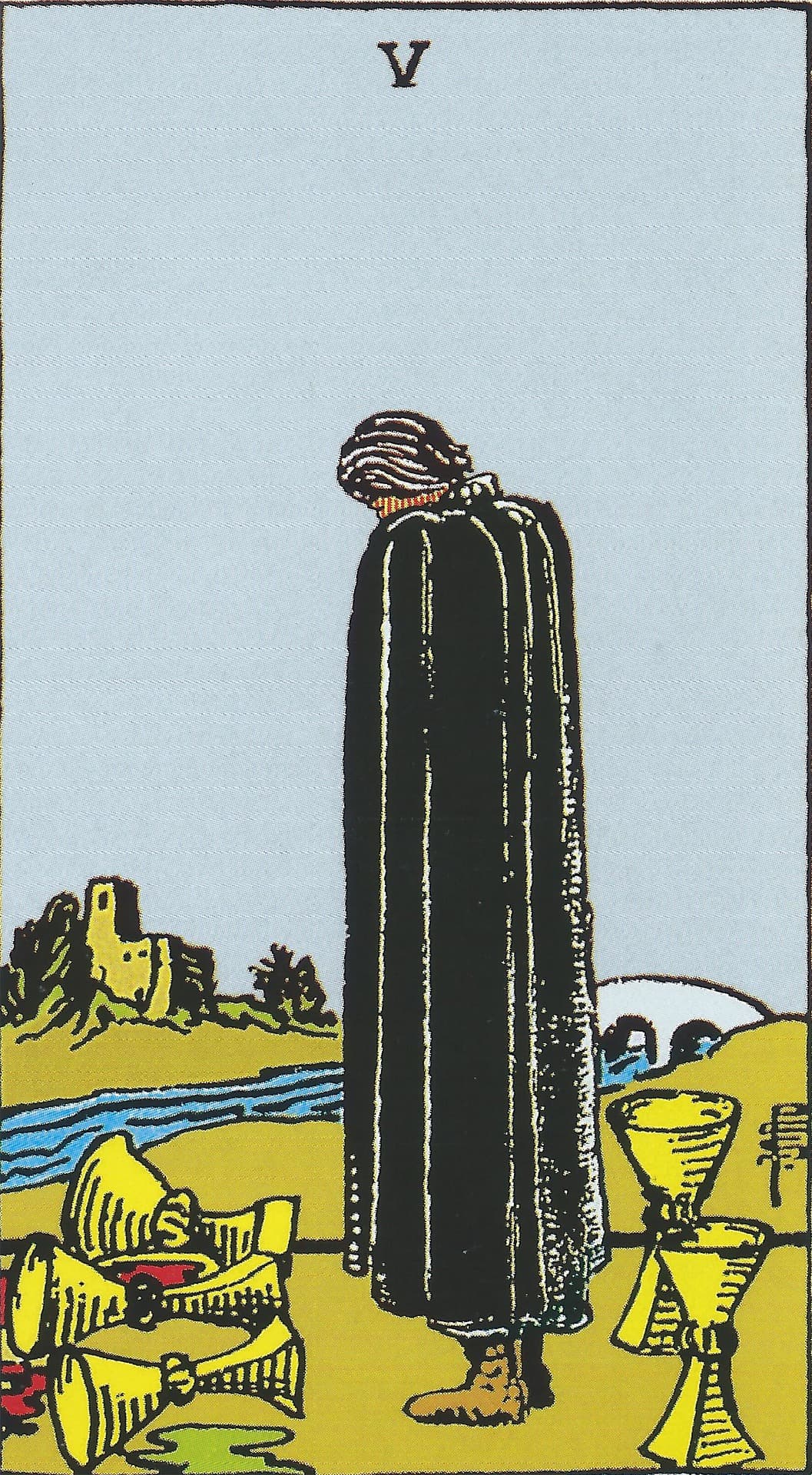
Five of Cups
Cups • 5
Upright: loss, grief, regret
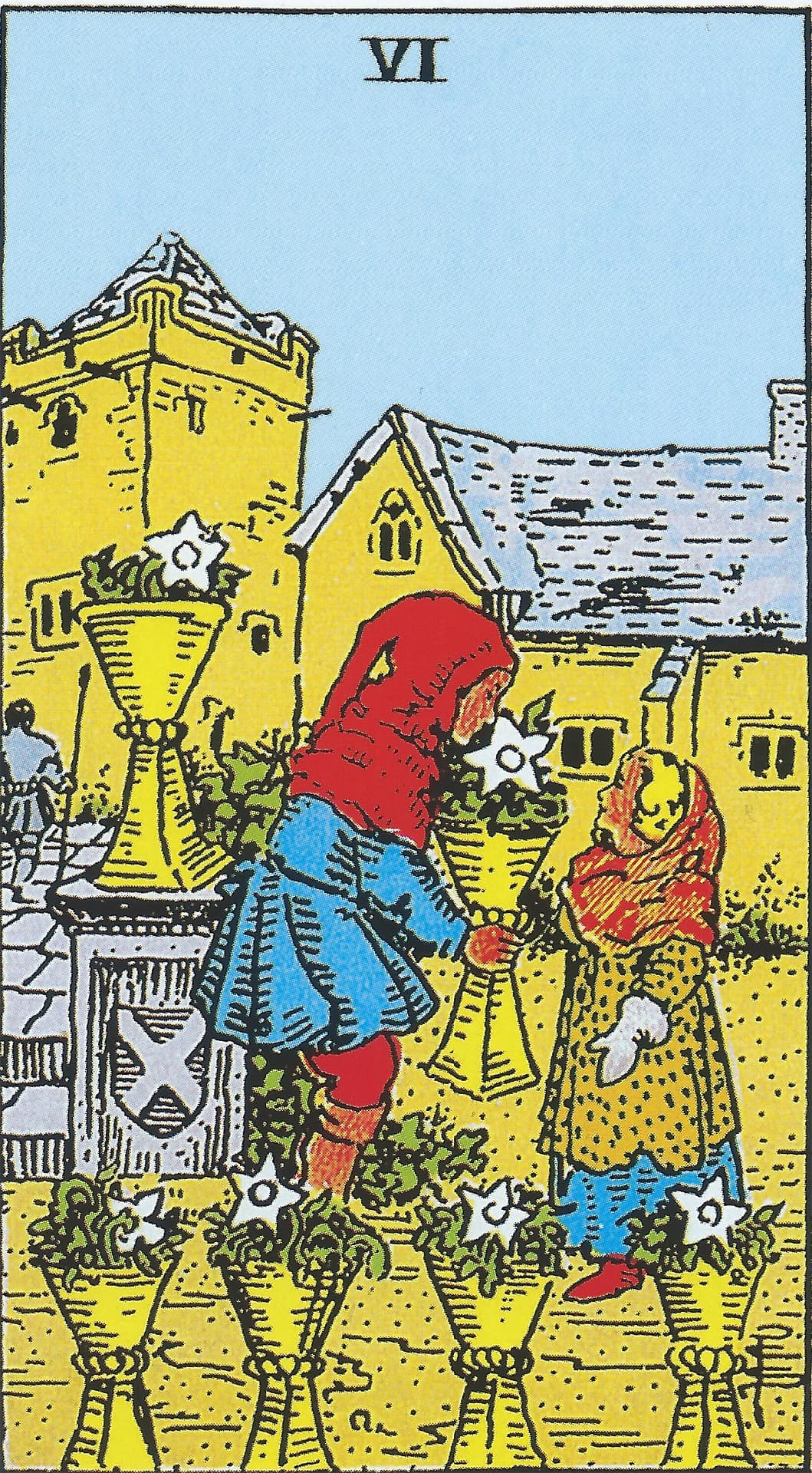
Six of Cups
Cups • 6
Upright: nostalgia, memories, innocence
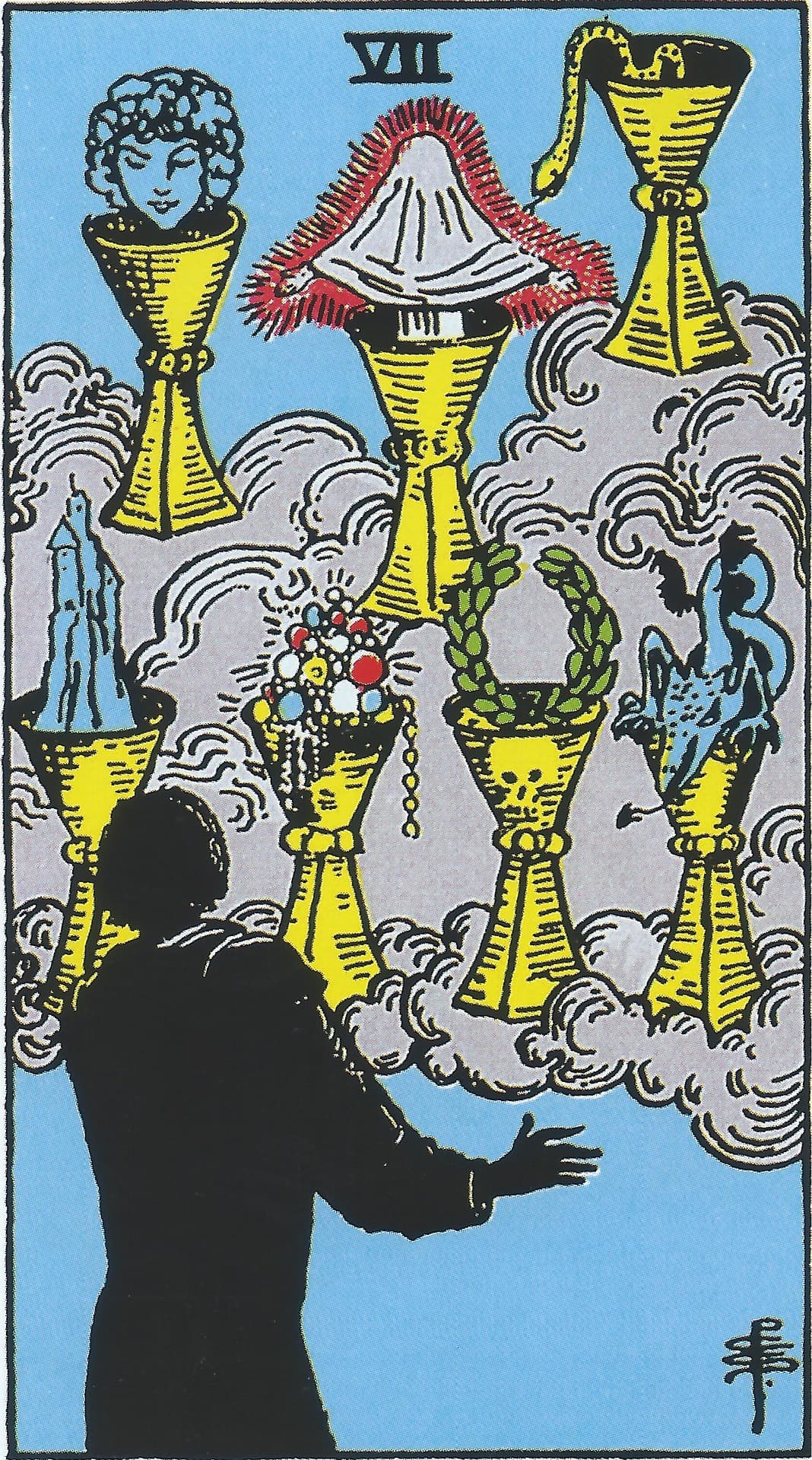
Seven of Cups
Cups • 7
Upright: choices, fantasy, illusion
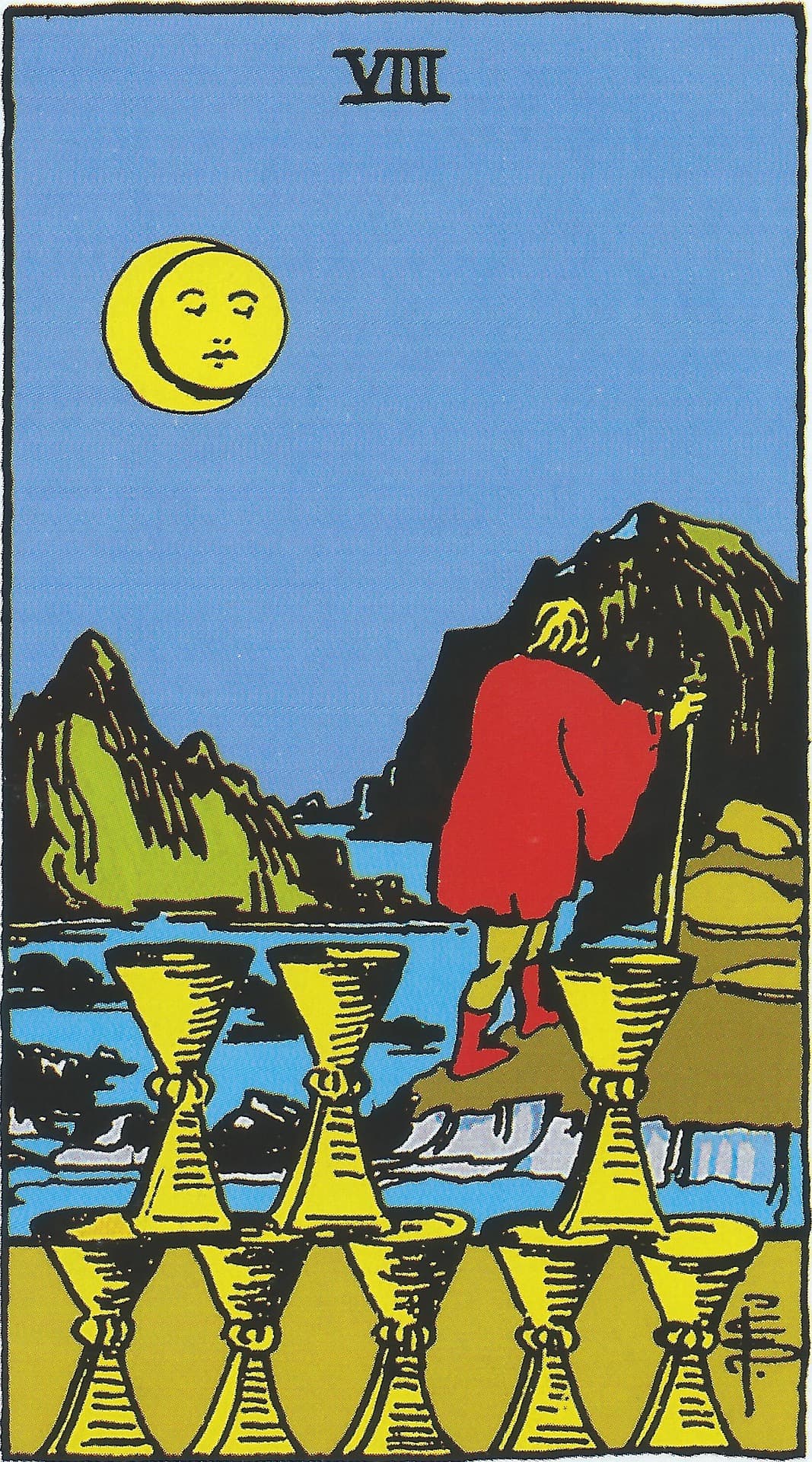
Eight of Cups
Cups • 8
Upright: walking away, seeking truth, spiritual quest
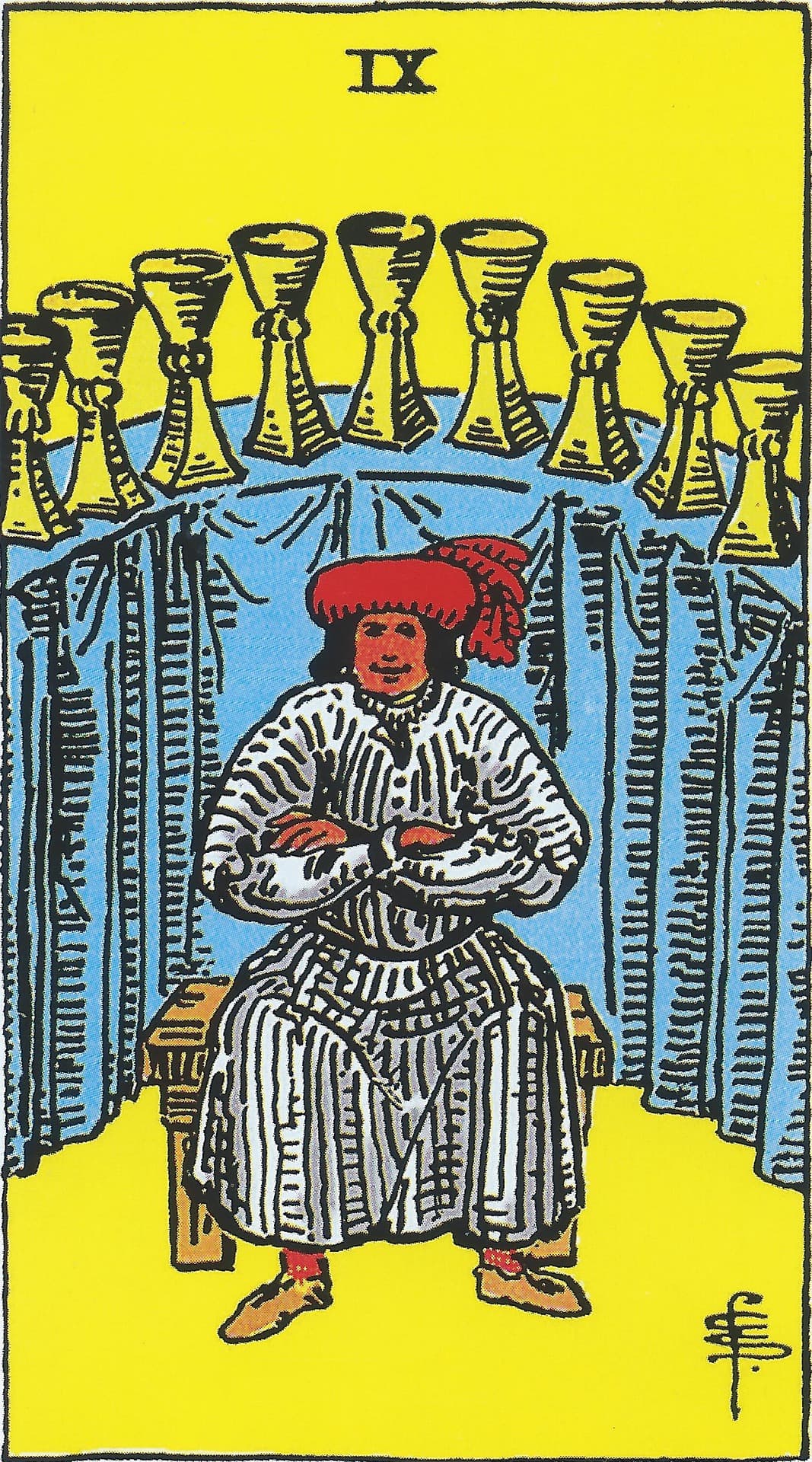
Nine of Cups
Cups • 9
Upright: contentment, satisfaction, wish fulfillment
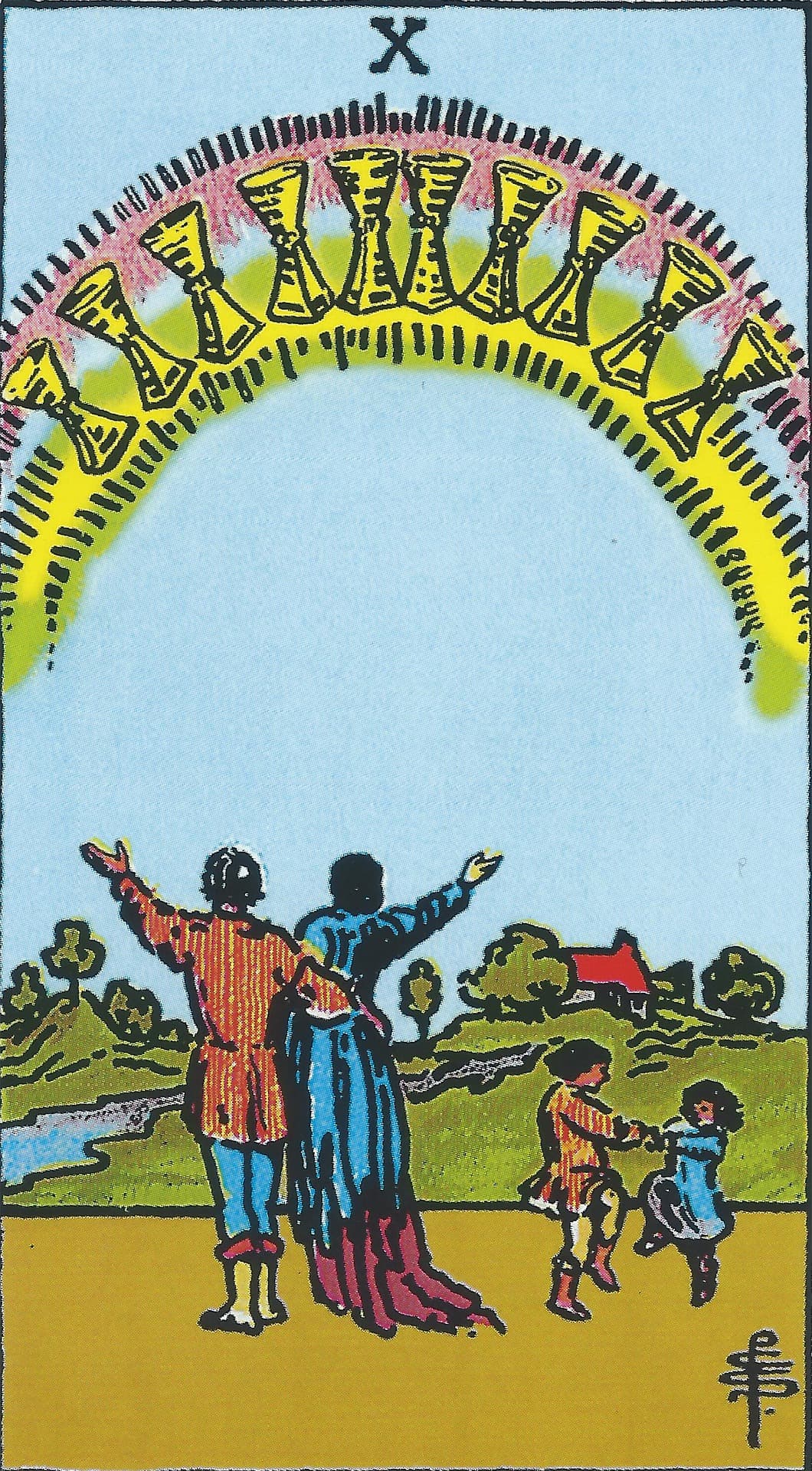
Ten of Cups
Cups • 10
Upright: family harmony, happiness, fulfillment
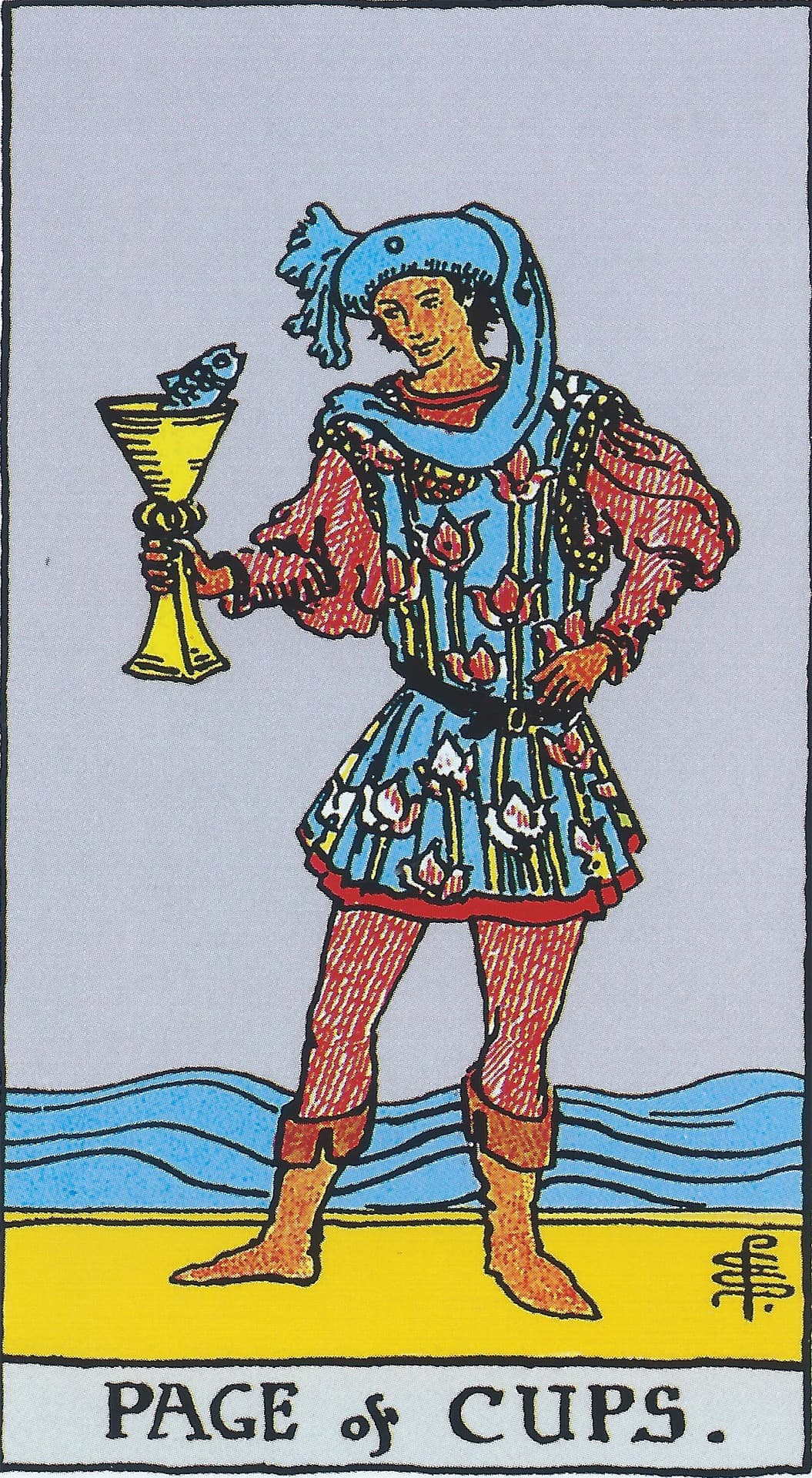
Page of Cups
Cups • 11
Upright: creative beginnings, intuitive messages, sensitivity
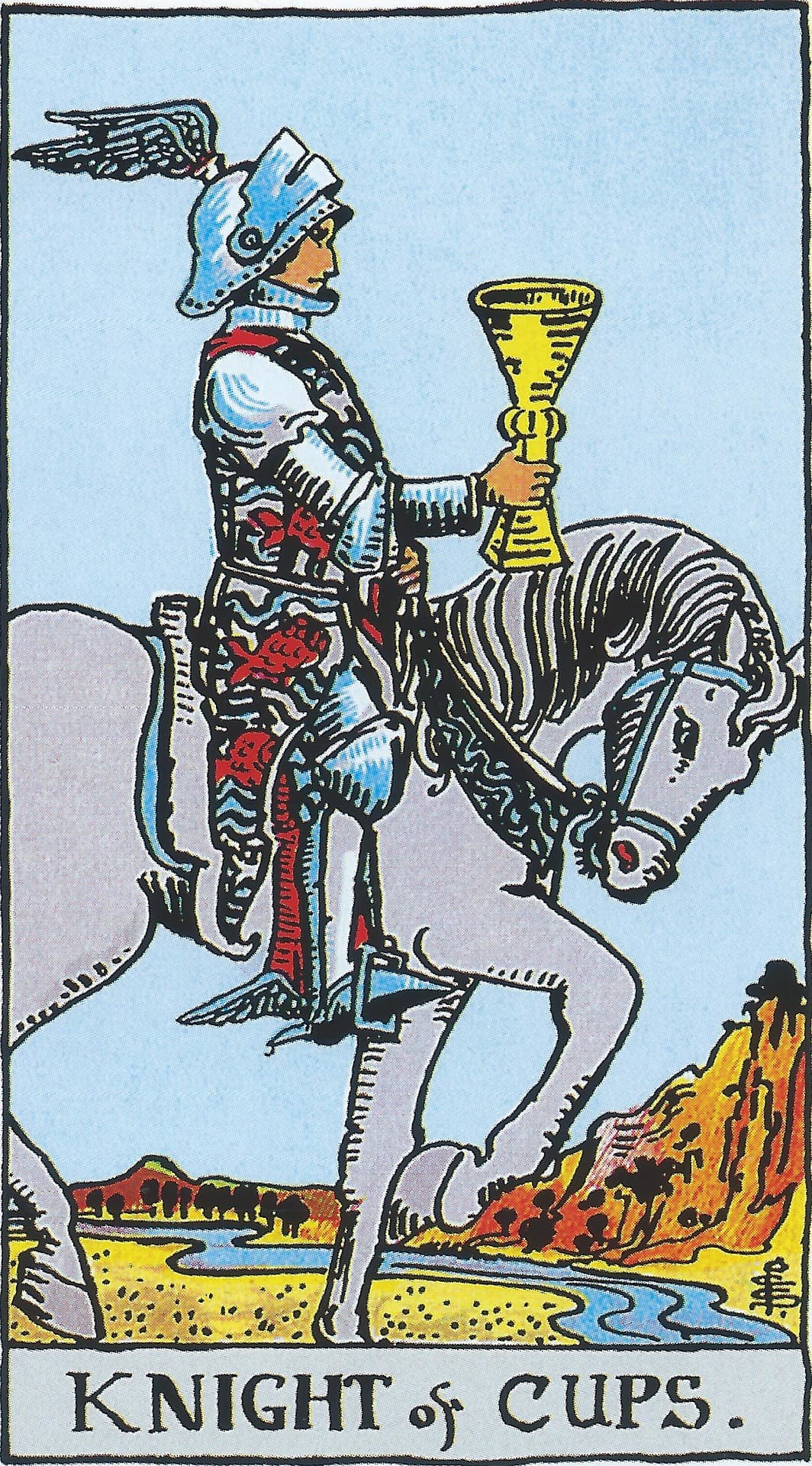
Knight of Cups
Cups • 12
Upright: romance, charm, imagination
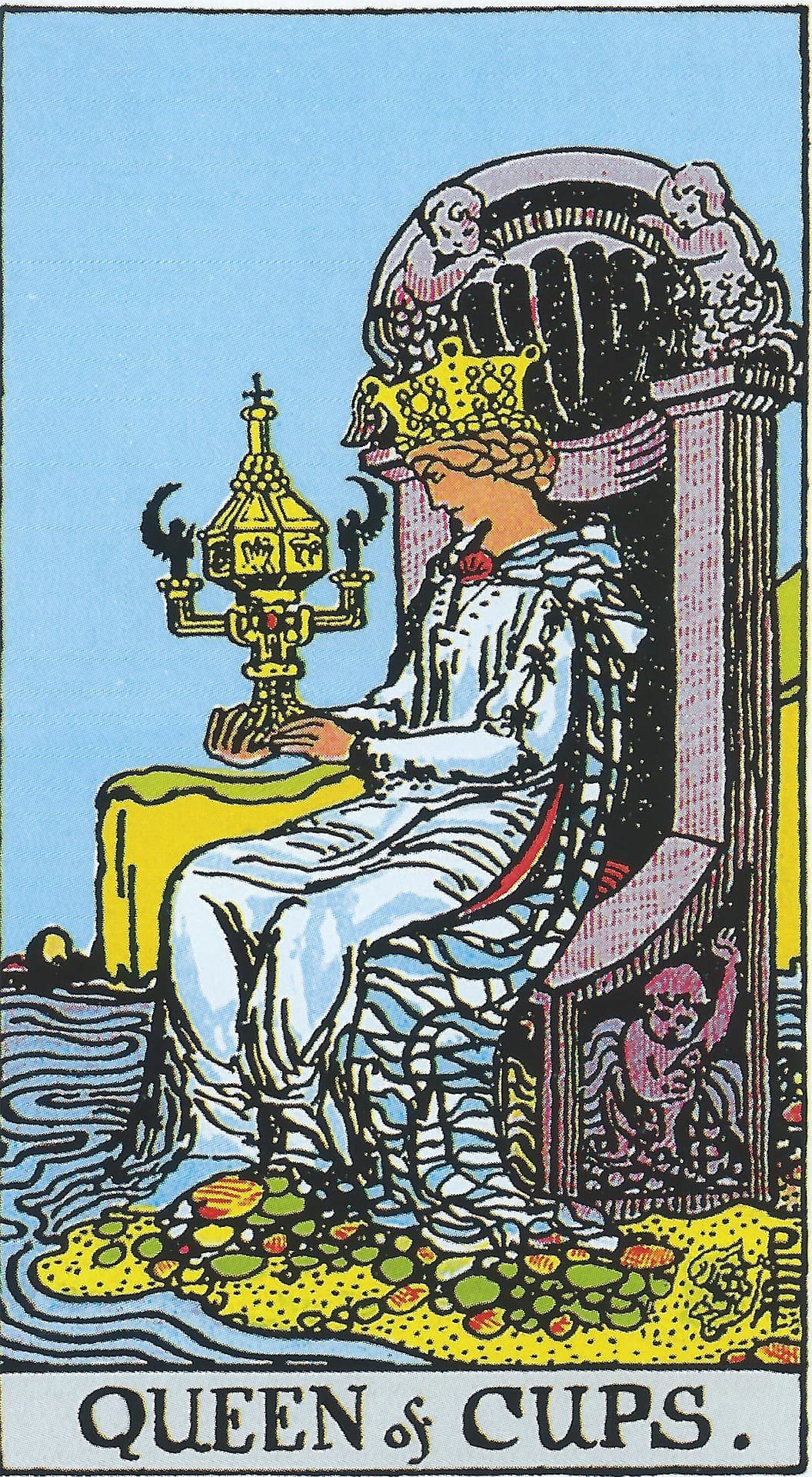
Queen of Cups
Cups • 13
Upright: emotional maturity, compassion, empathy
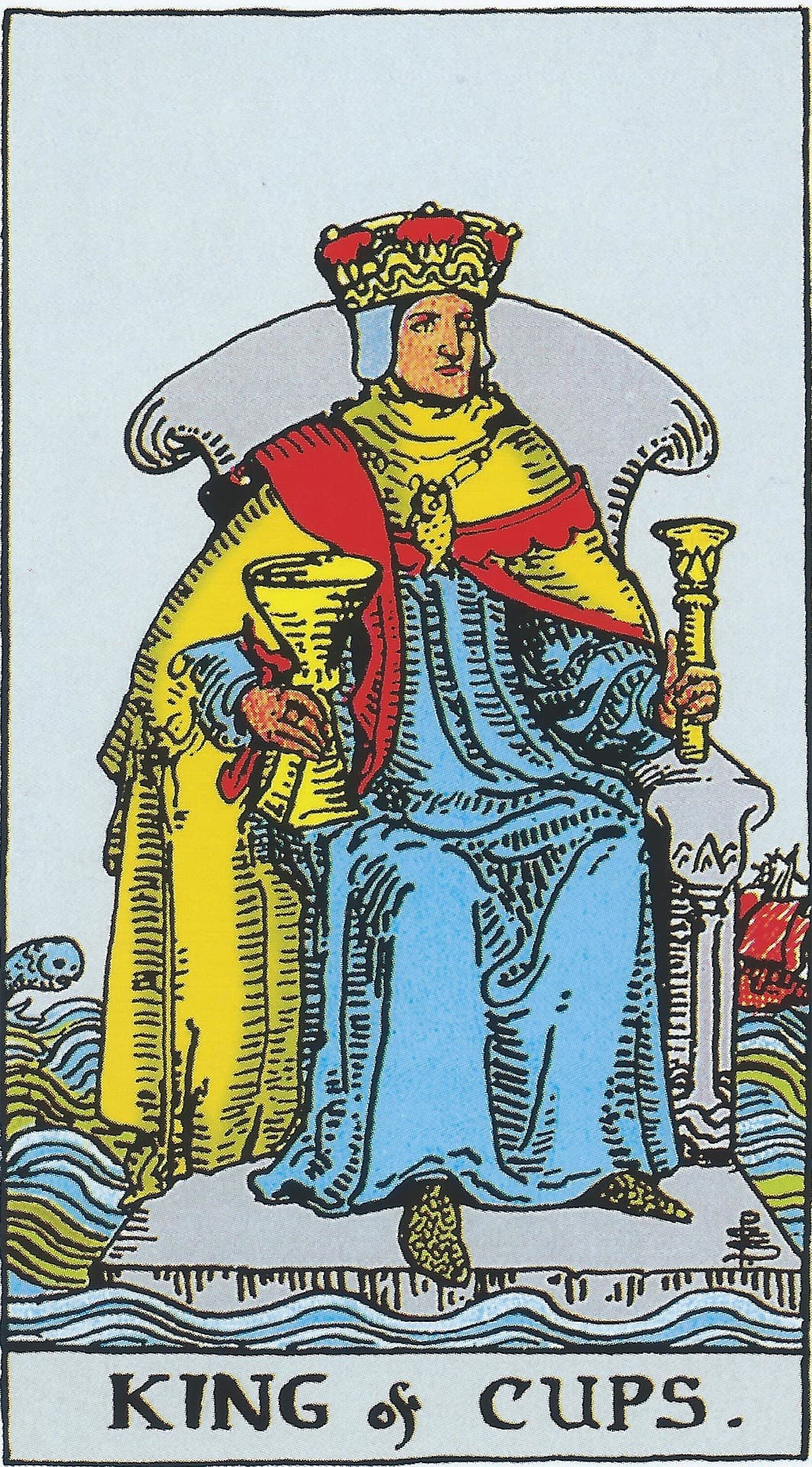
King of Cups
Cups • 14
Upright: emotional mastery, compassionate leadership, diplomatic wisdom
Suit of Wands
Fire Element • Energy, Drive, Willpower, Creativity, Power
Wands are the Fire suit: passion, creativity, drive, and willpower. Pull Wands for ambition, new ideas, and whether to take action.
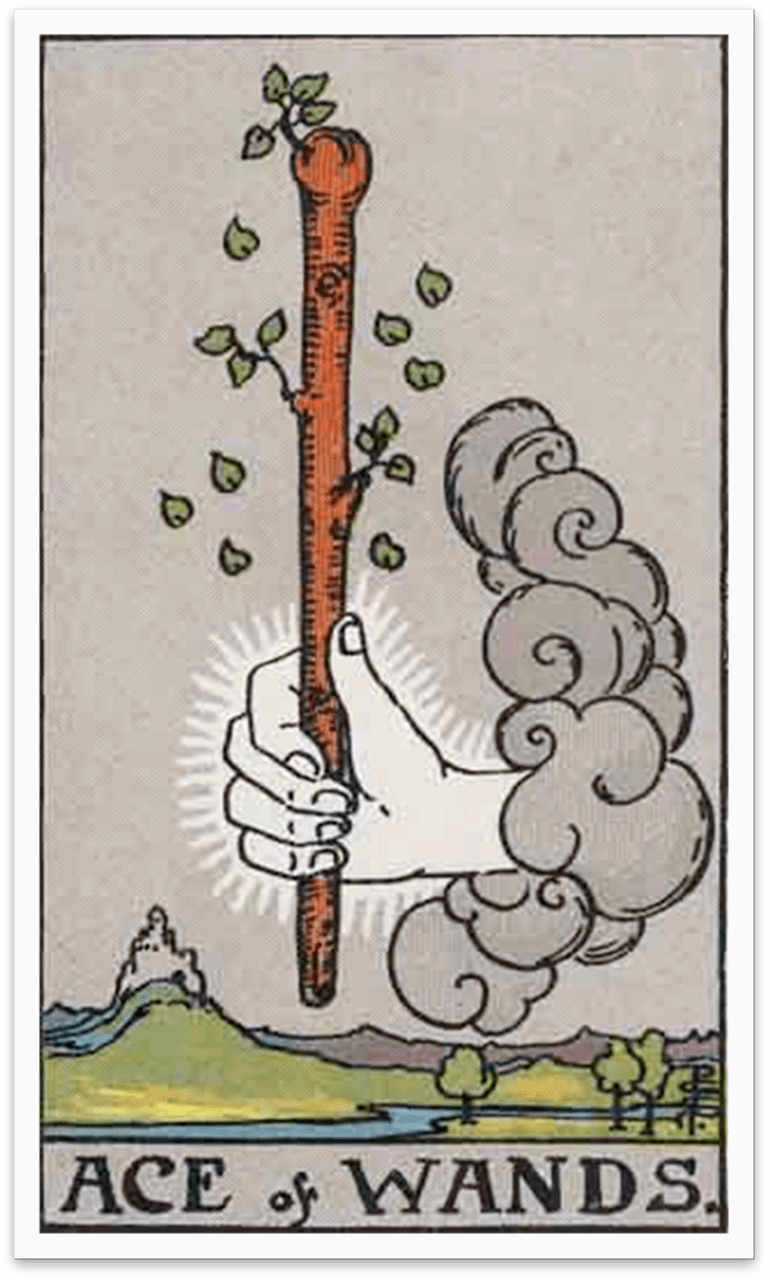
Ace of Wands
Wands • 1
Upright: inspiration, creation, potential
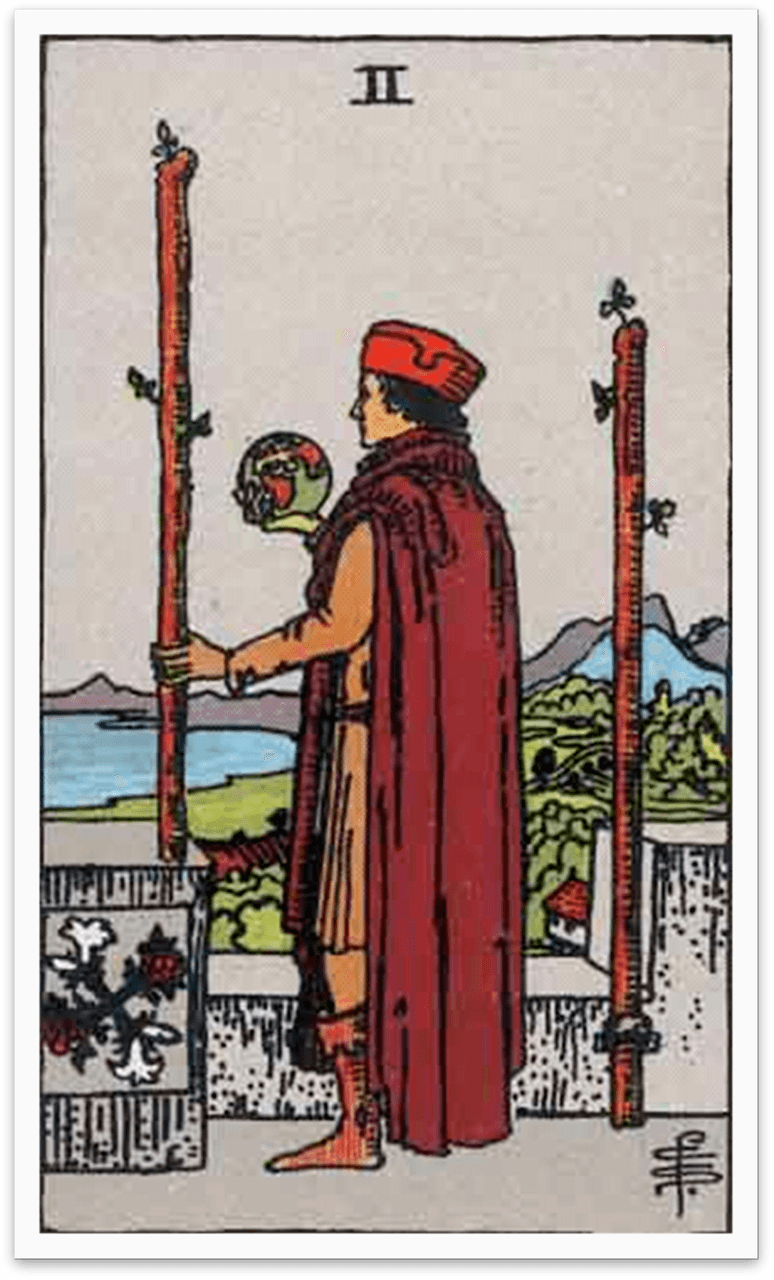
Two of Wands
Wands • 2
Upright: planning, decisions, discovery
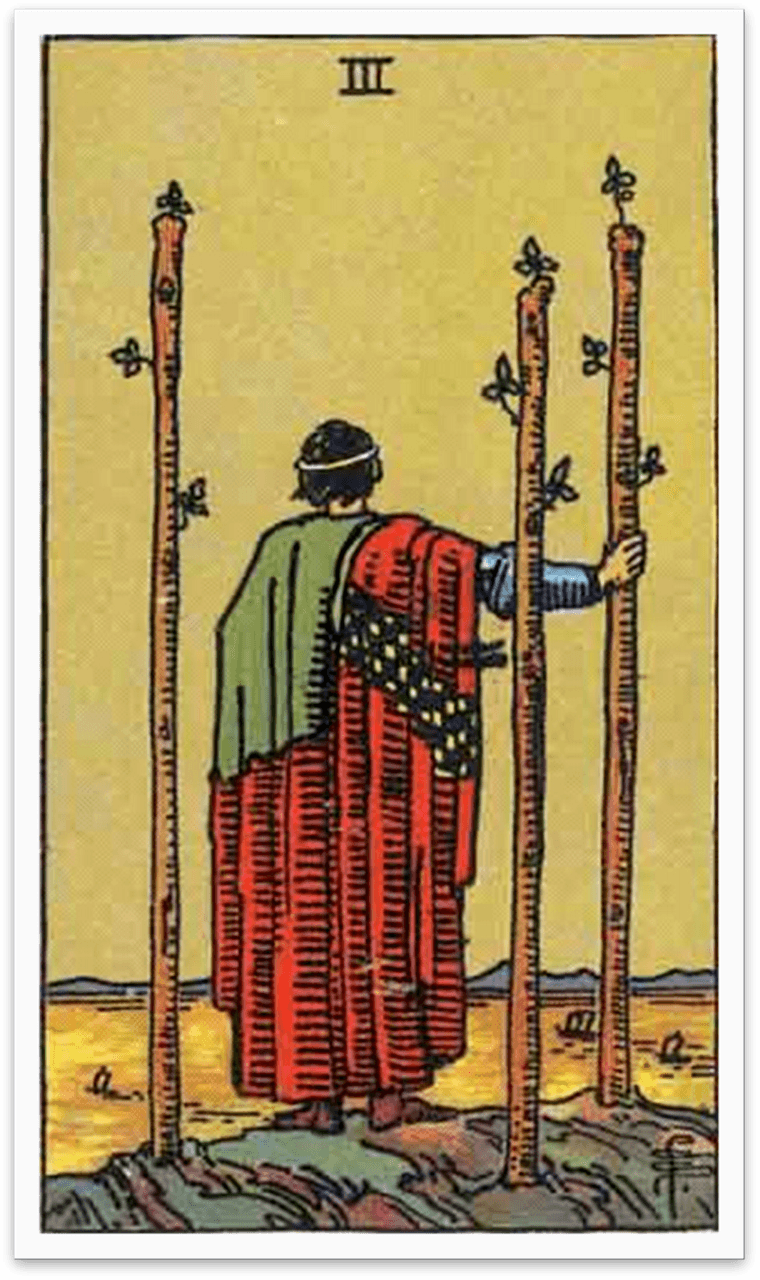
Three of Wands
Wands • 3
Upright: expansion, foresight, overseas opportunities
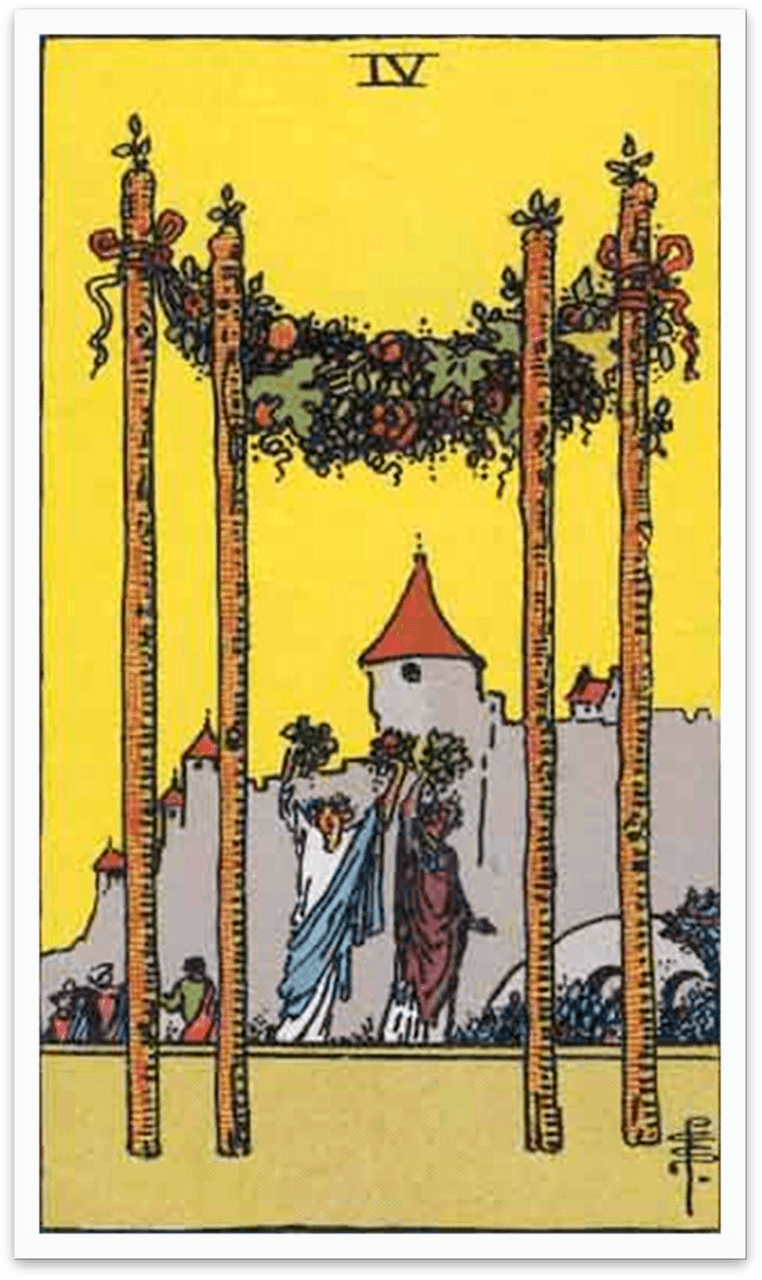
Four of Wands
Wands • 4
Upright: celebration, homecoming, community
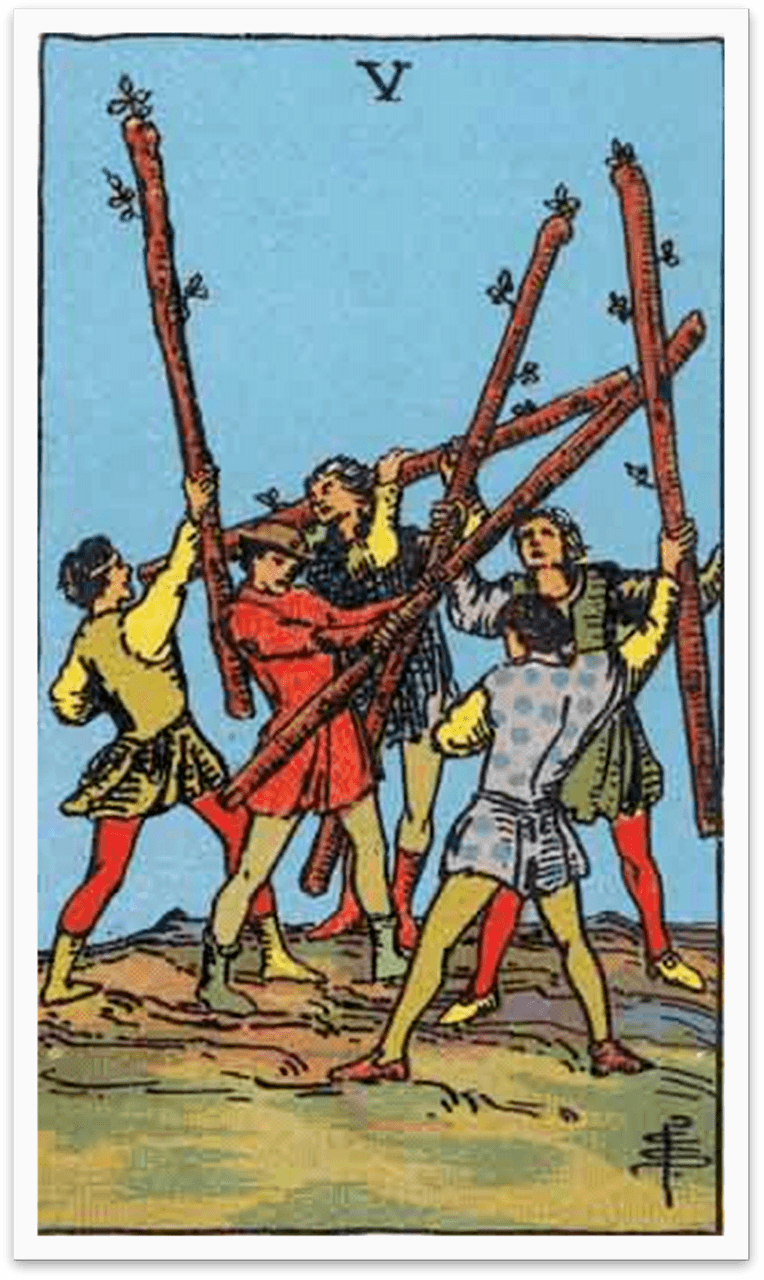
Five of Wands
Wands • 5
Upright: competition, conflict, struggle
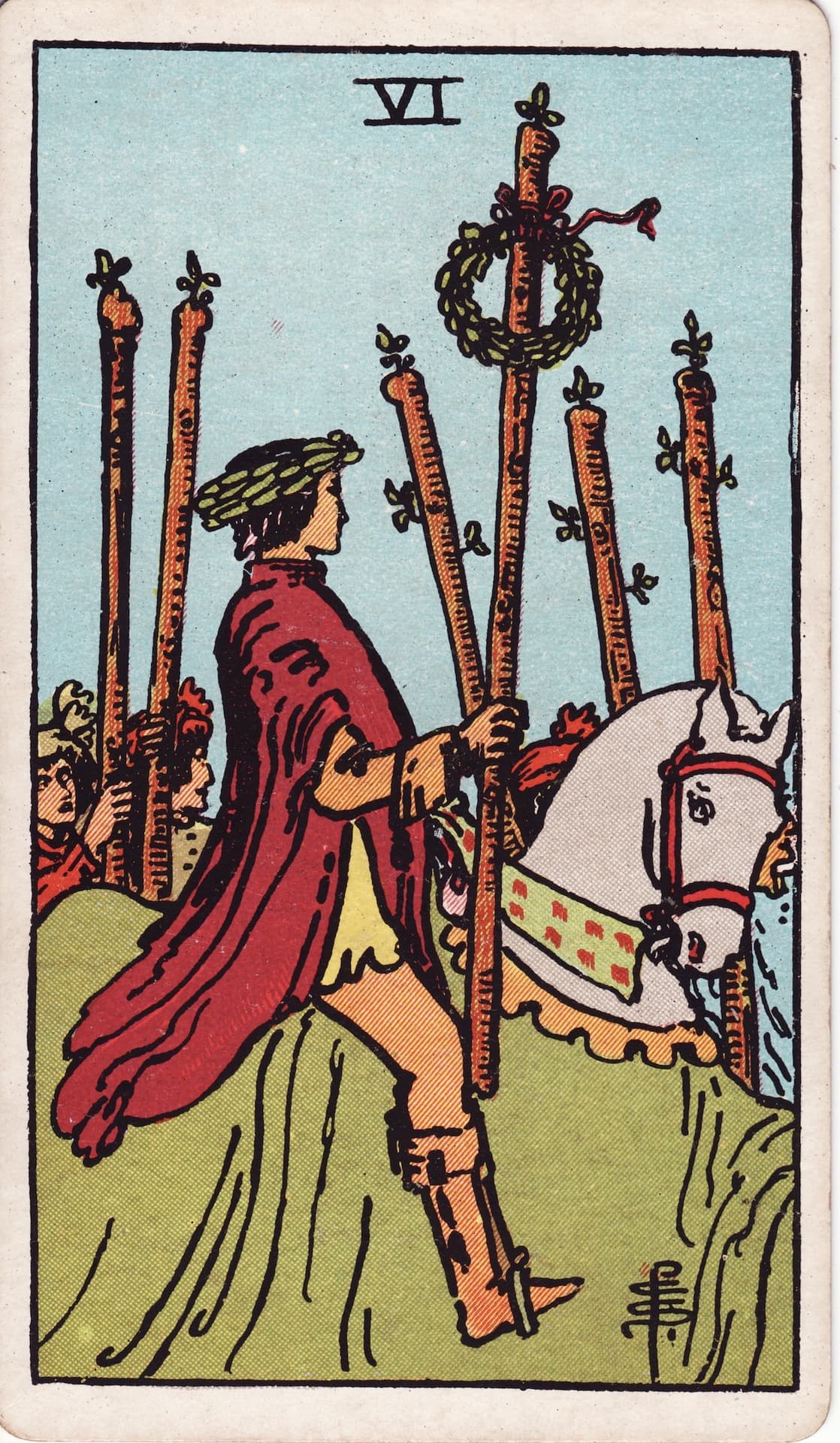
Six of Wands
Wands • 6
Upright: victory, recognition, success
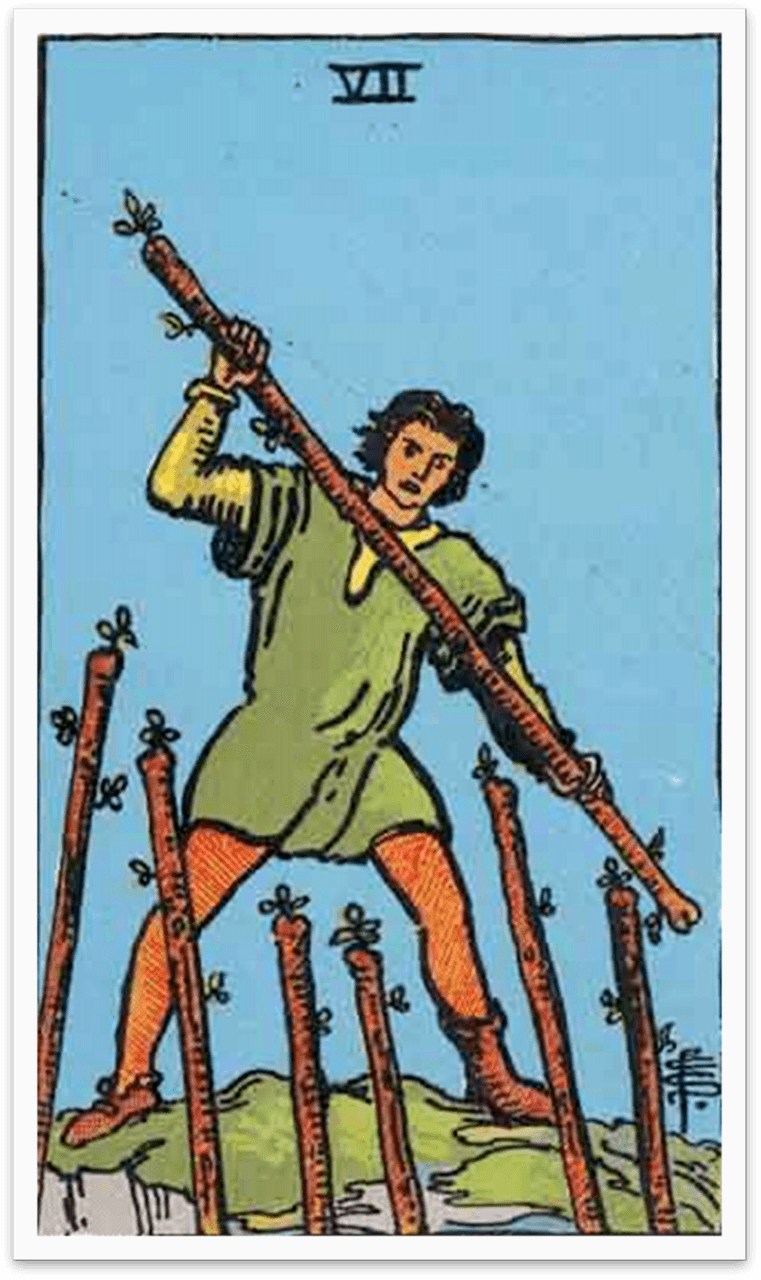
Seven of Wands
Wands • 7
Upright: defensiveness, standing ground, perseverance
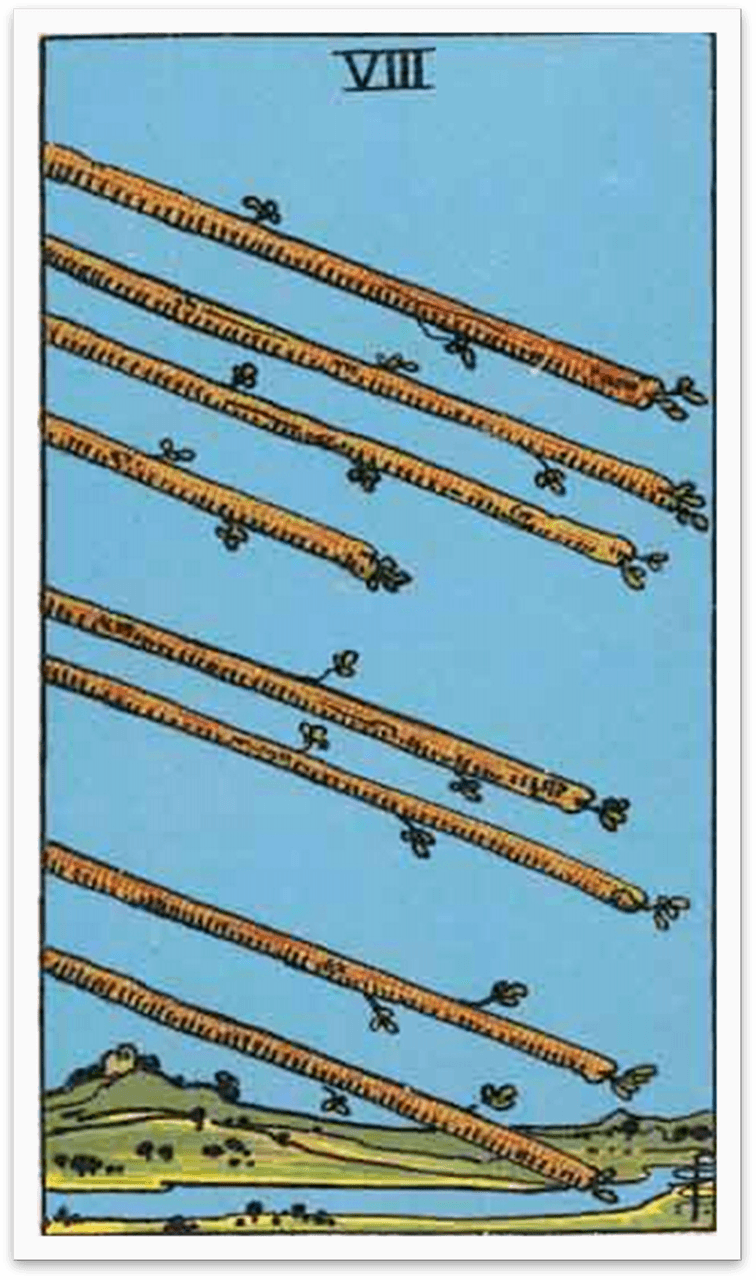
Eight of Wands
Wands • 8
Upright: swift action, rapid progress, speed
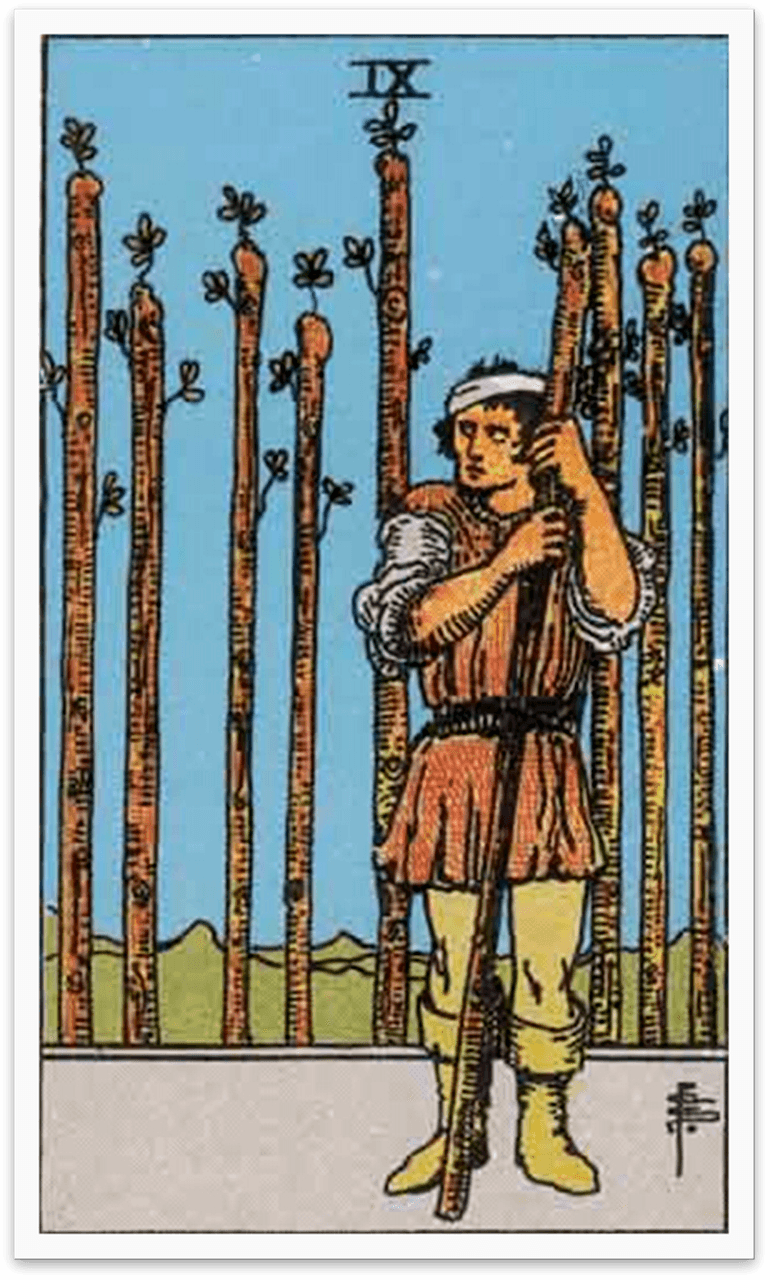
Nine of Wands
Wands • 9
Upright: resilience, persistence, courage
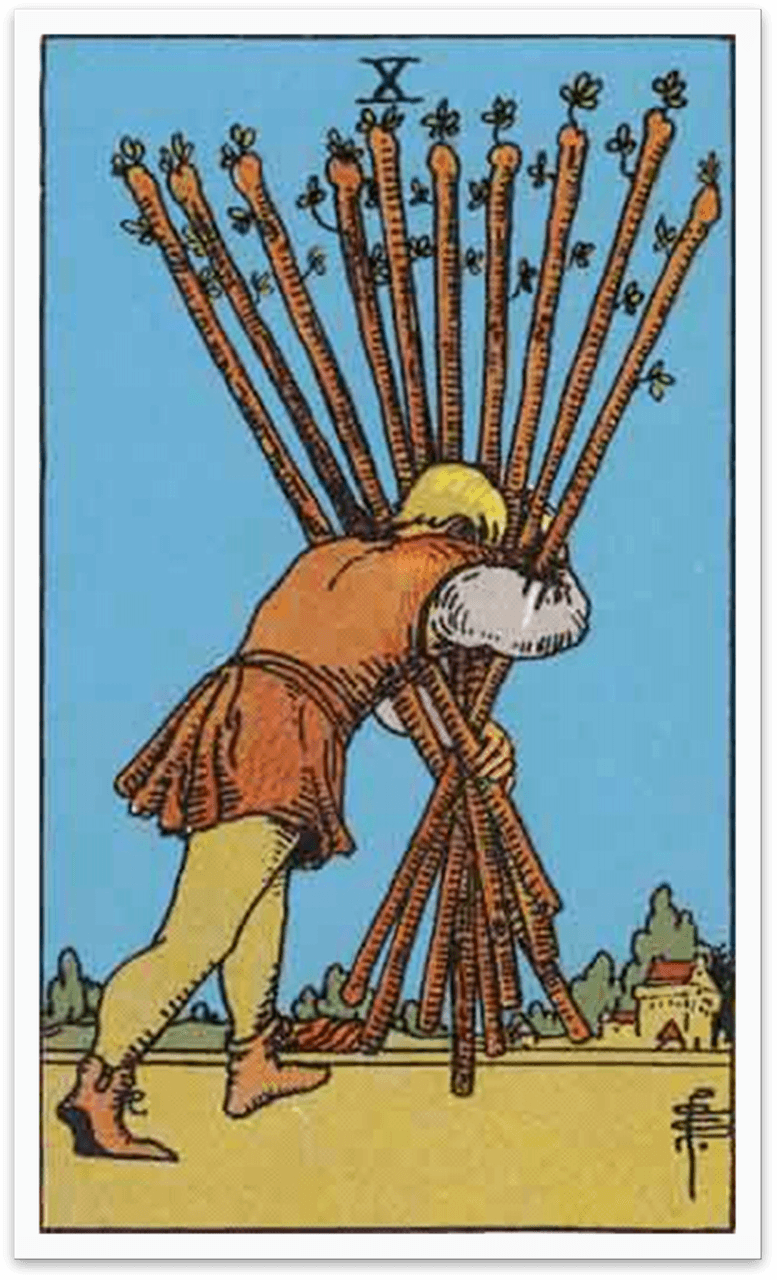
Ten of Wands
Wands • 10
Upright: heavy burden, responsibility, overwhelmed
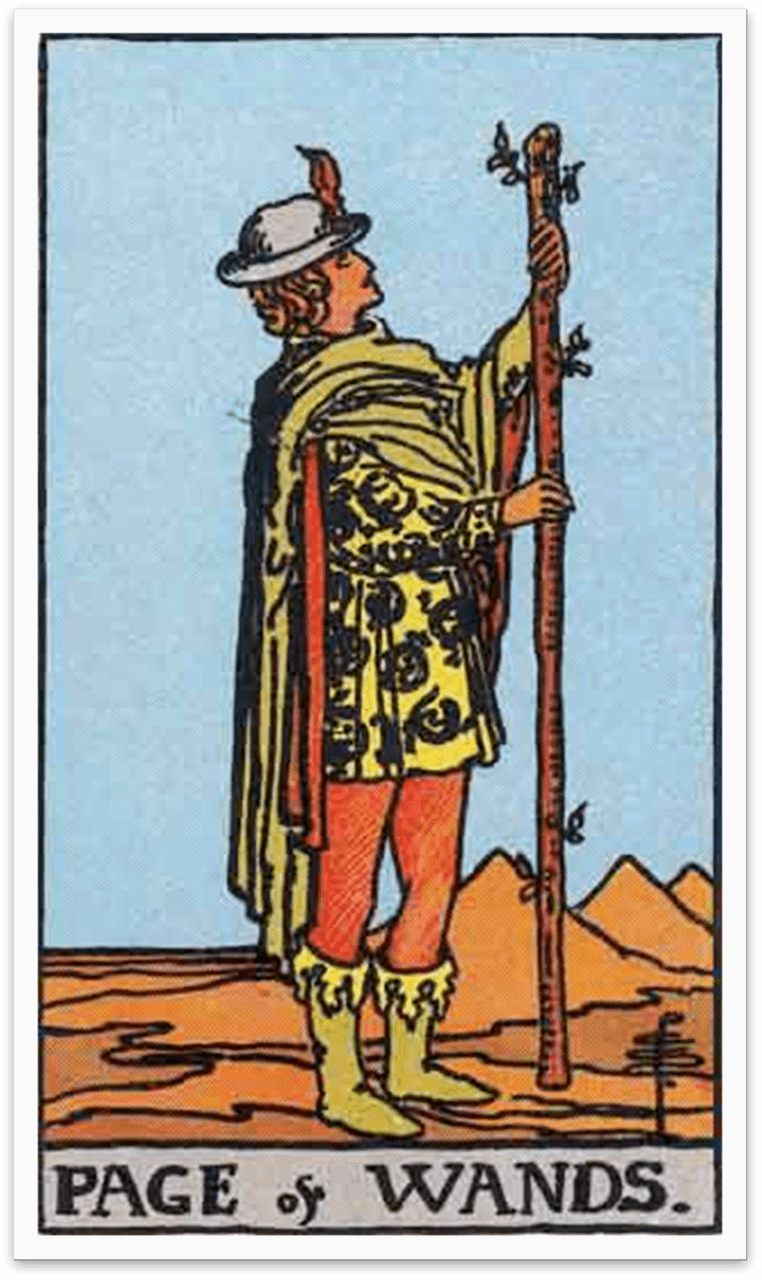
Page of Wands
Wands • 11
Upright: enthusiasm, adventure, new ideas
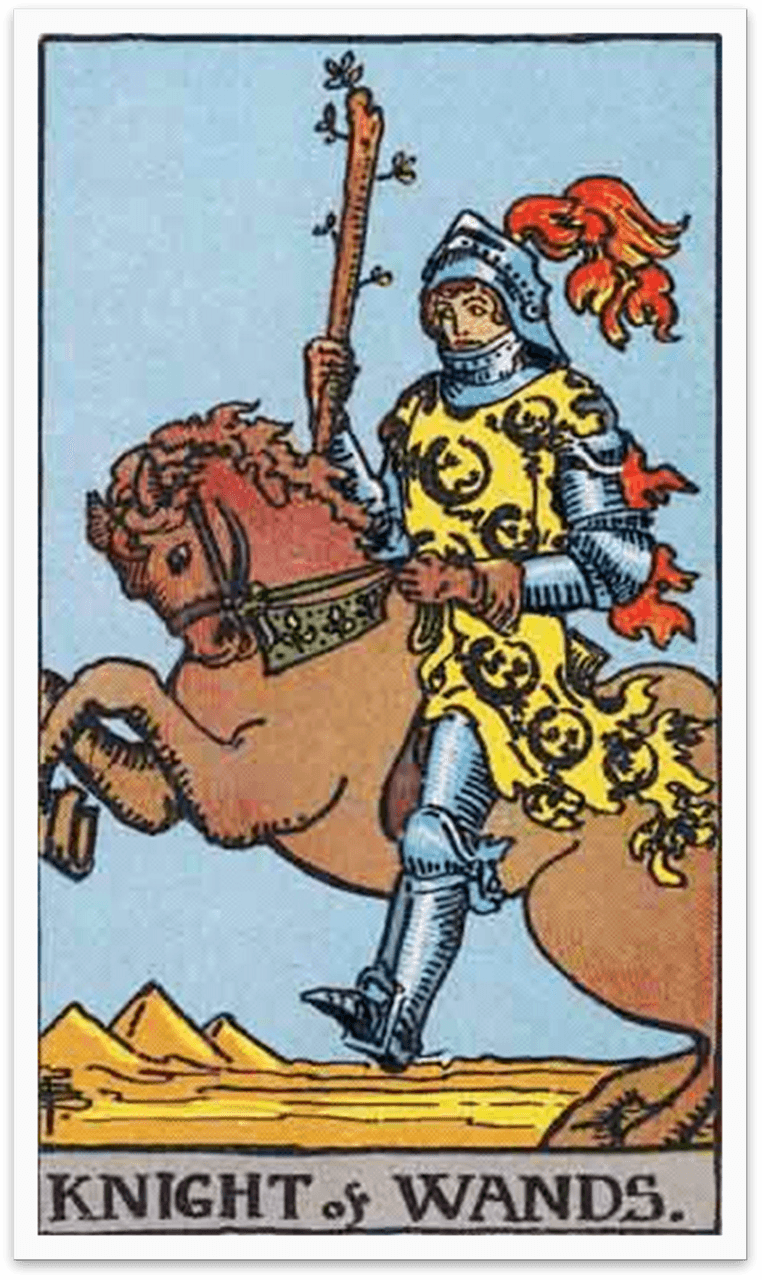
Knight of Wands
Wands • 12
Upright: swift action, adventure, fearlessness
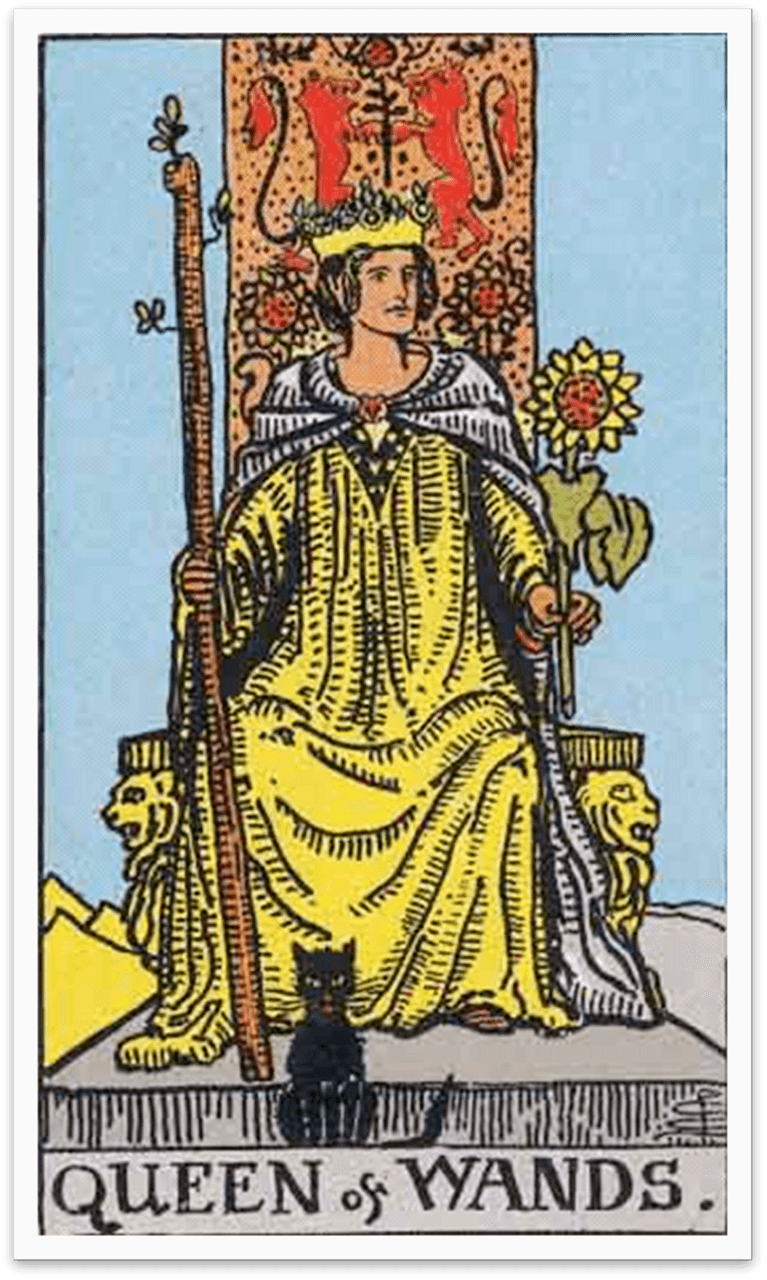
Queen of Wands
Wands • 13
Upright: confident leadership, warmth, determination
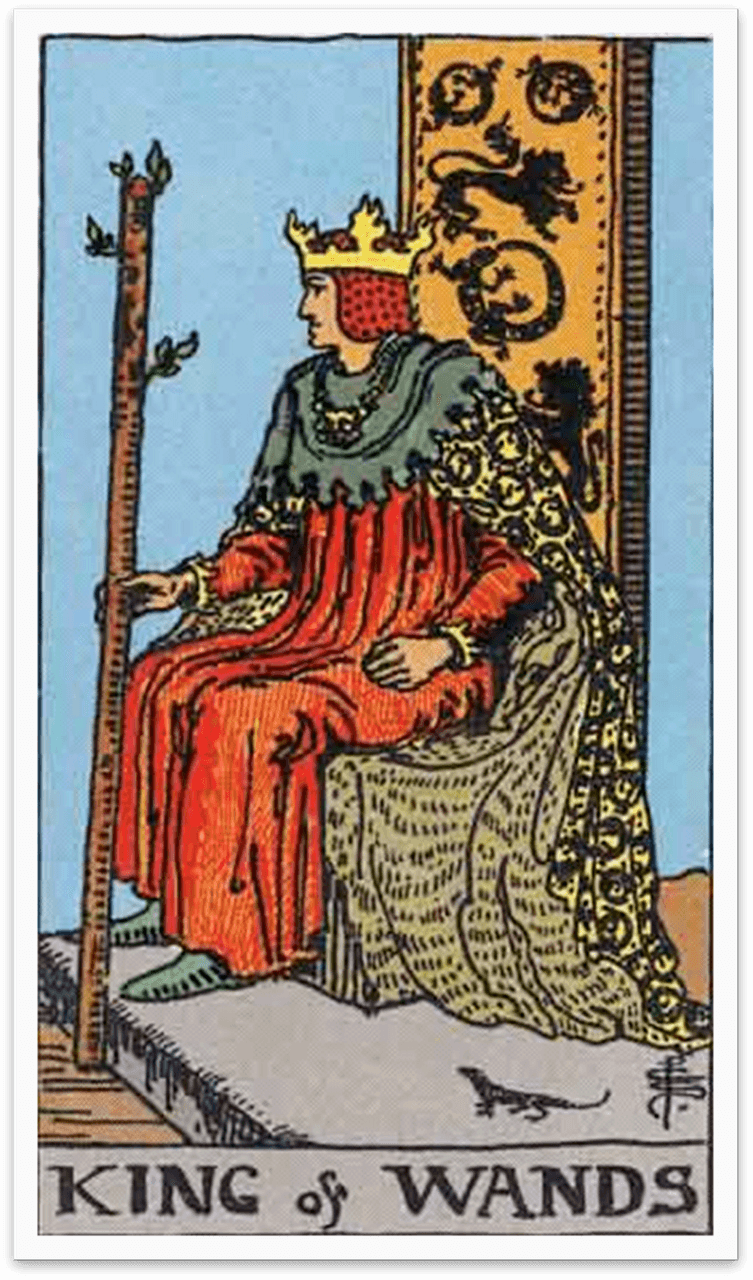
King of Wands
Wands • 14
Upright: visionary leadership, honor, integrity
Suit of Swords
Air Element • Logic, Ideas, Intellect, Communication, Truth
Swords are the Air suit: intellect, truth, communication, and conflict. Pull Swords for decisions, mental clarity, and hard conversations.
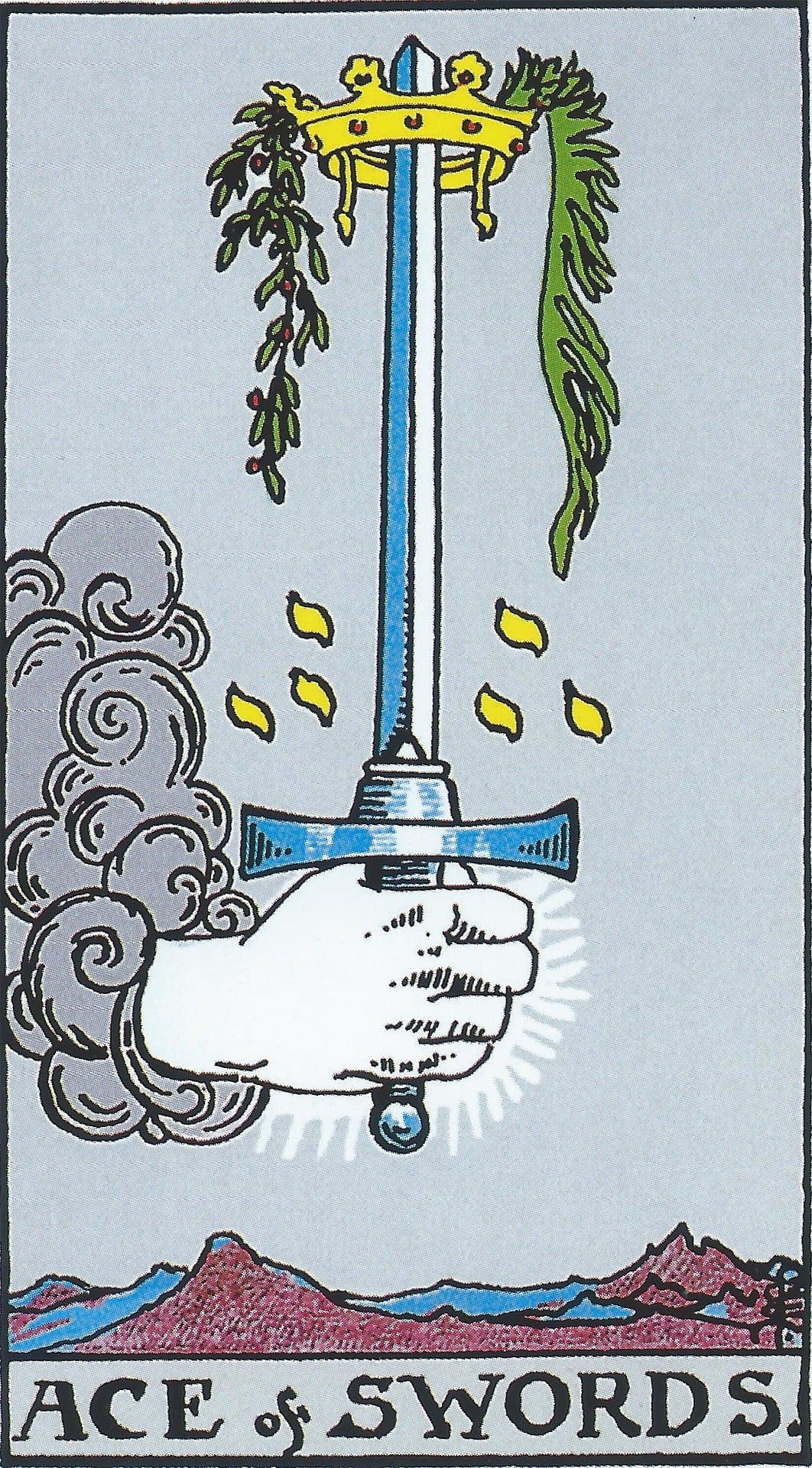
Ace of Swords
Swords • 1
Upright: clarity, truth, breakthrough
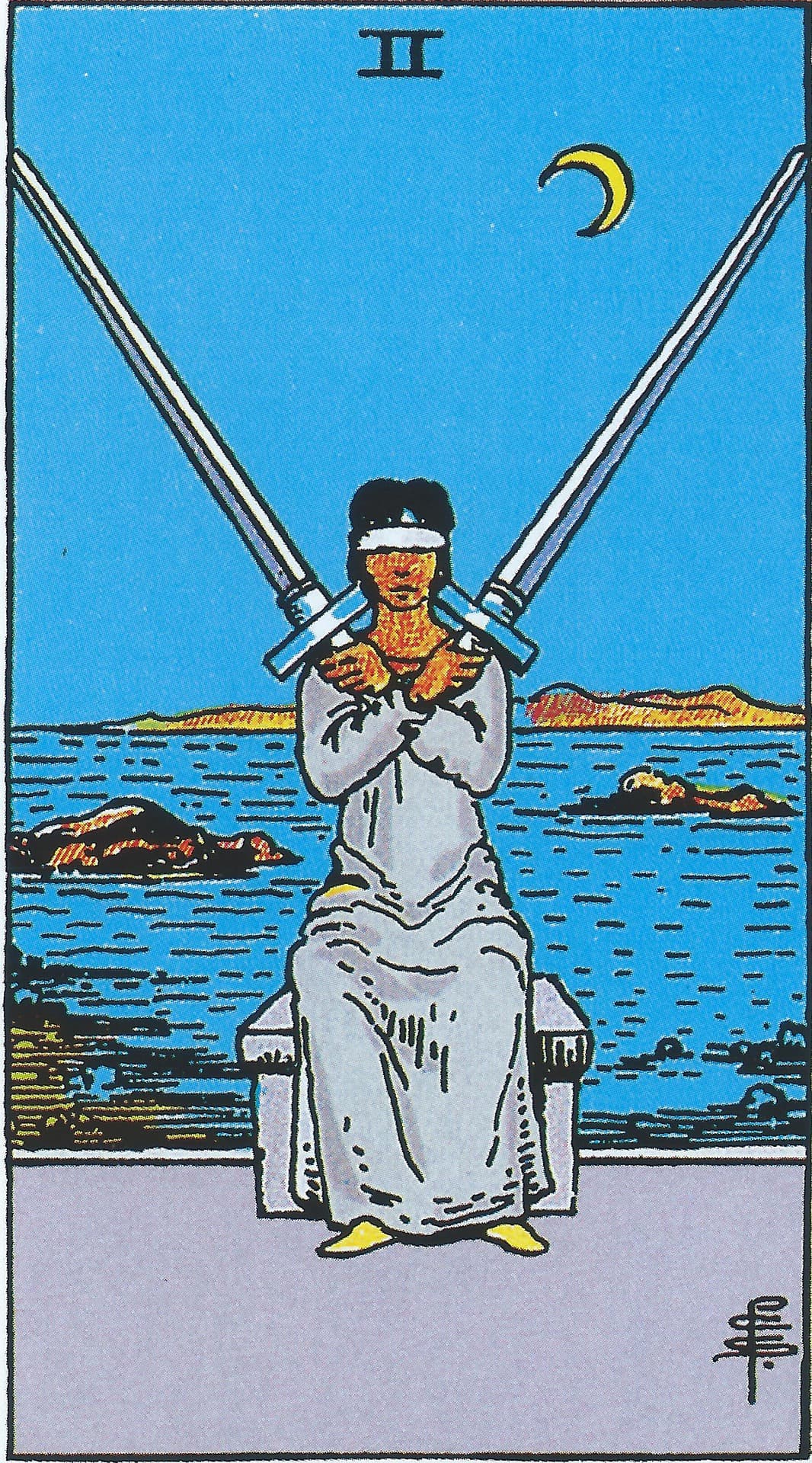
Two of Swords
Swords • 2
Upright: difficult choices, stalemate, avoidance
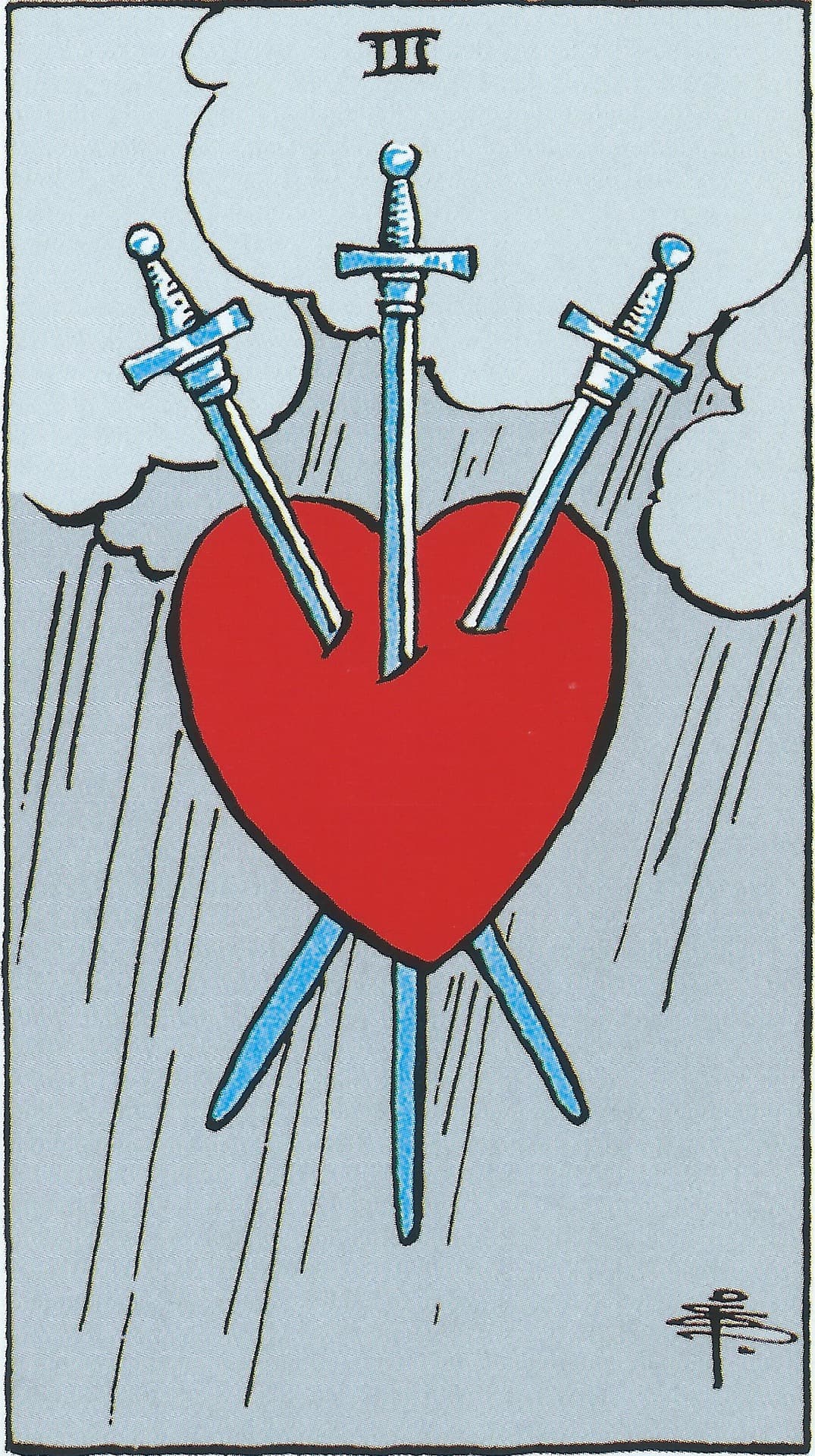
Three of Swords
Swords • 3
Upright: heartbreak, emotional pain, grief
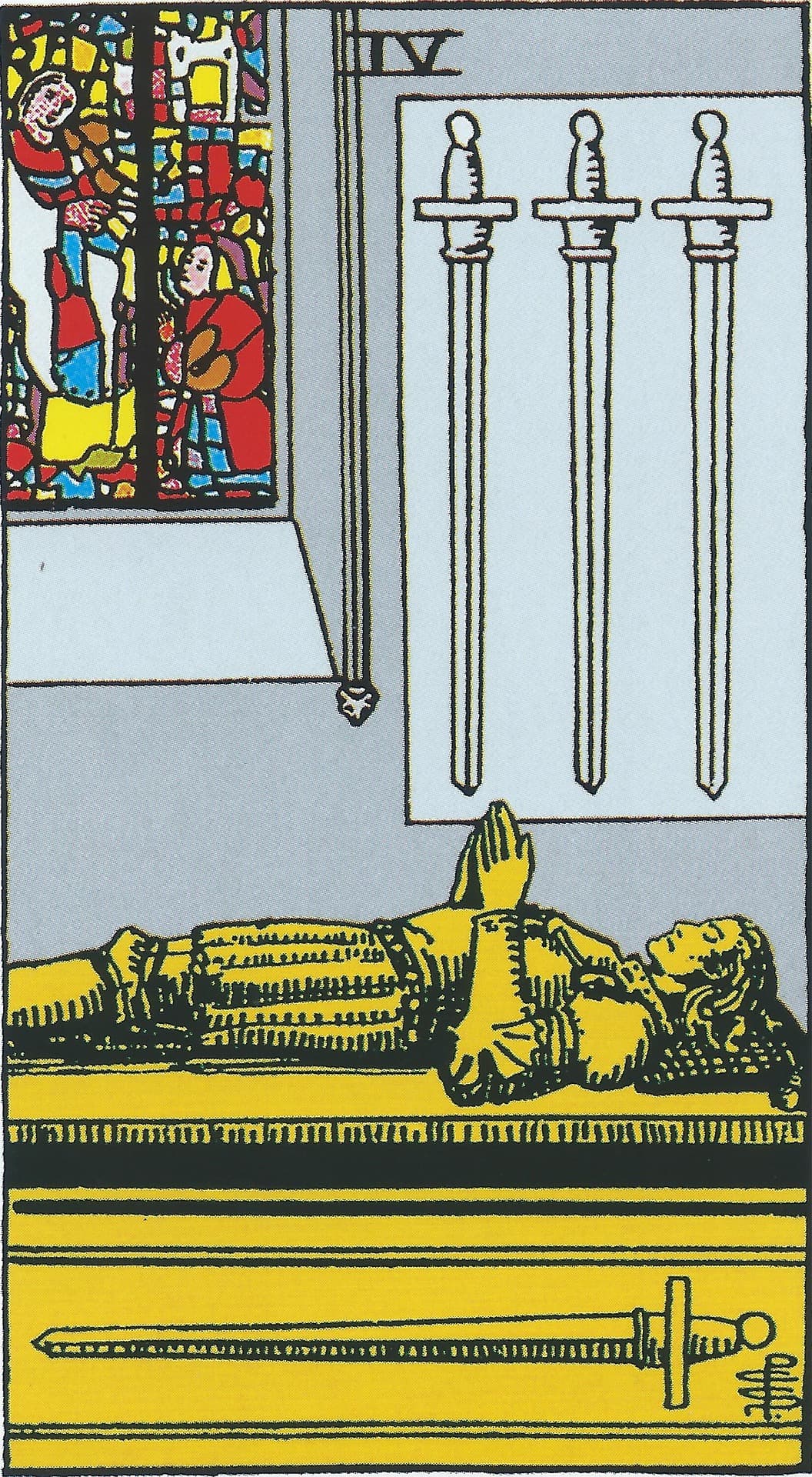
Four of Swords
Swords • 4
Upright: rest, contemplation, meditation
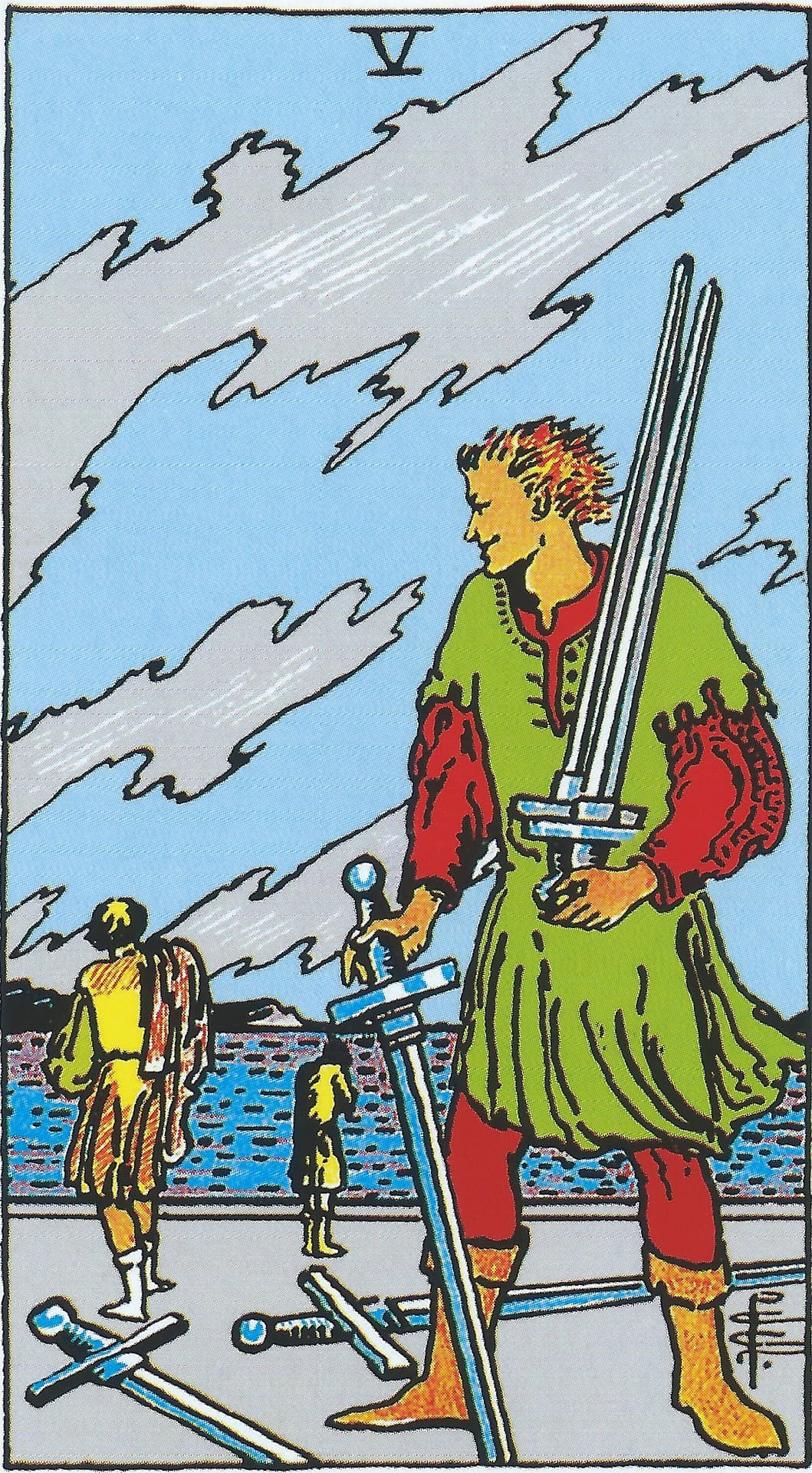
Five of Swords
Swords • 5
Upright: conflict, defeat, hollow victory
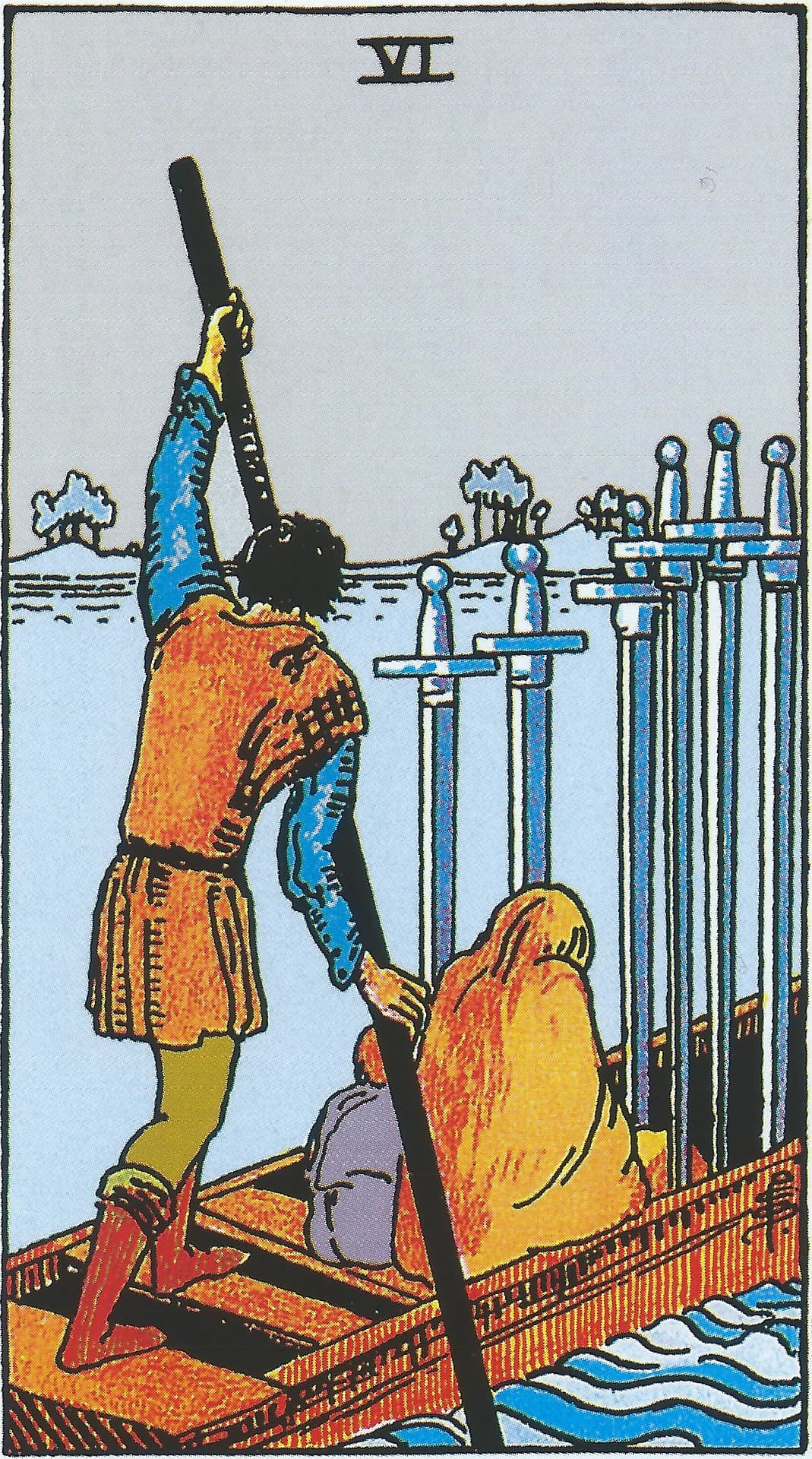
Six of Swords
Swords • 6
Upright: transition, moving forward, progress
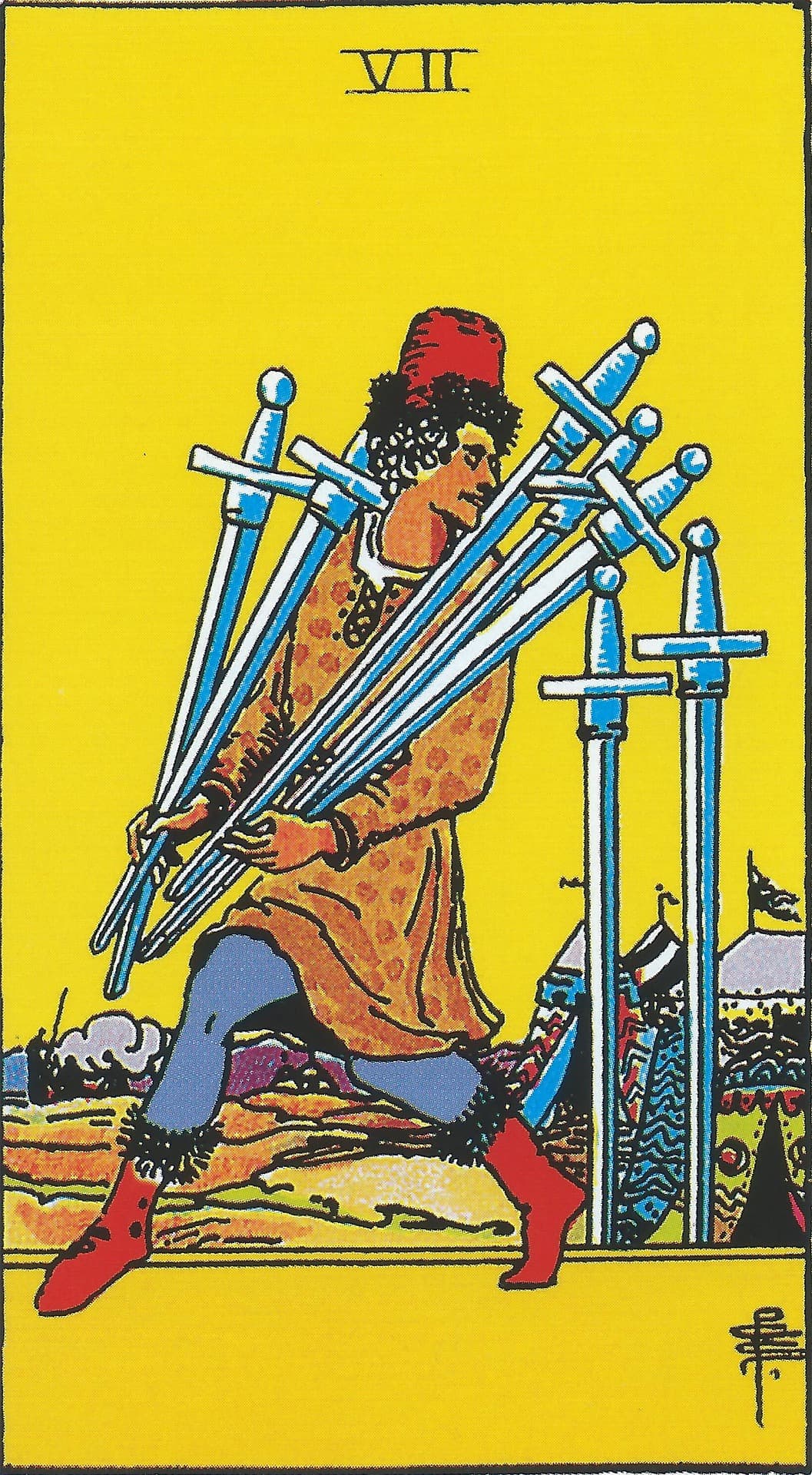
Seven of Swords
Swords • 7
Upright: deception, theft, stealth
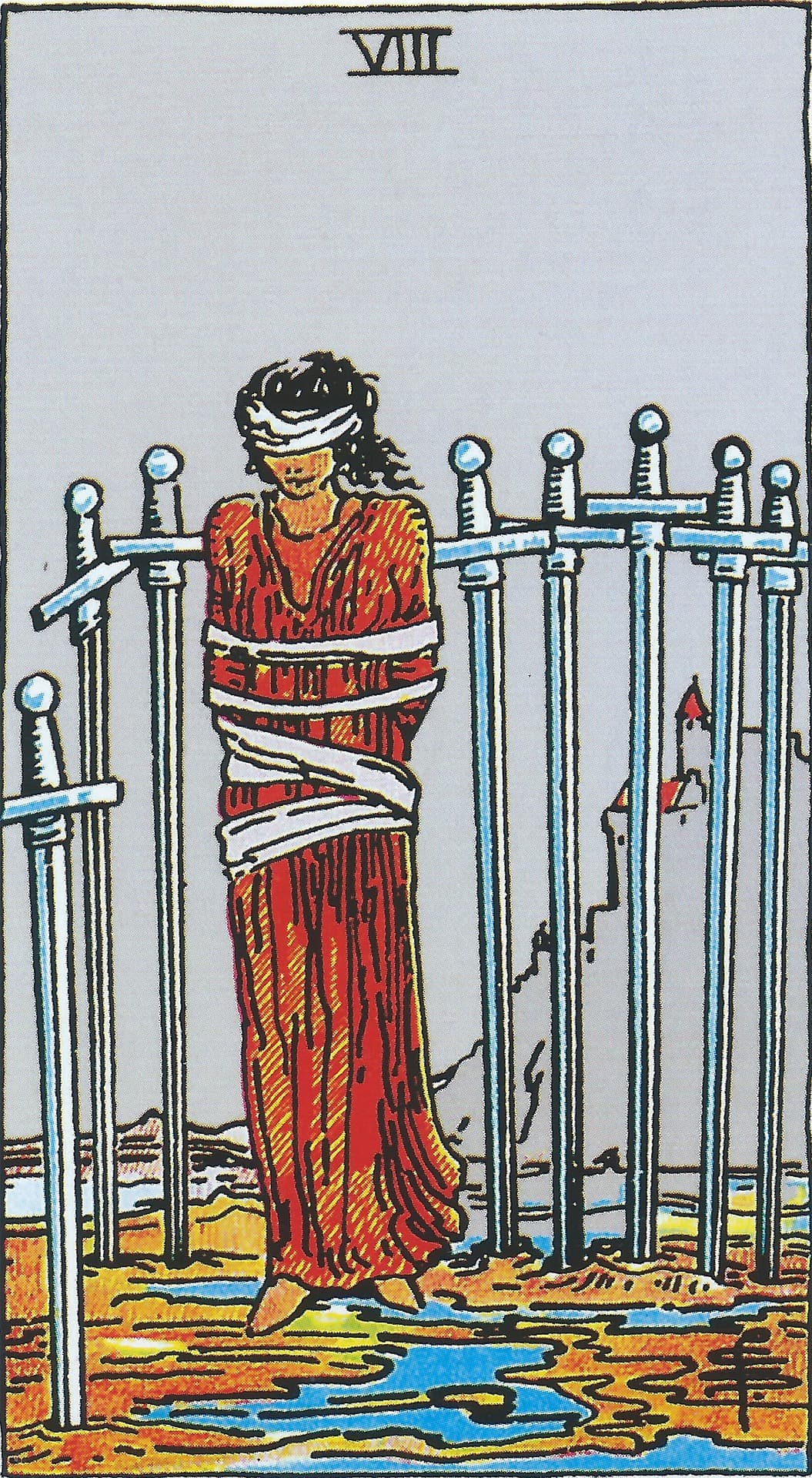
Eight of Swords
Swords • 8
Upright: mental restriction, feeling trapped, victim mentality
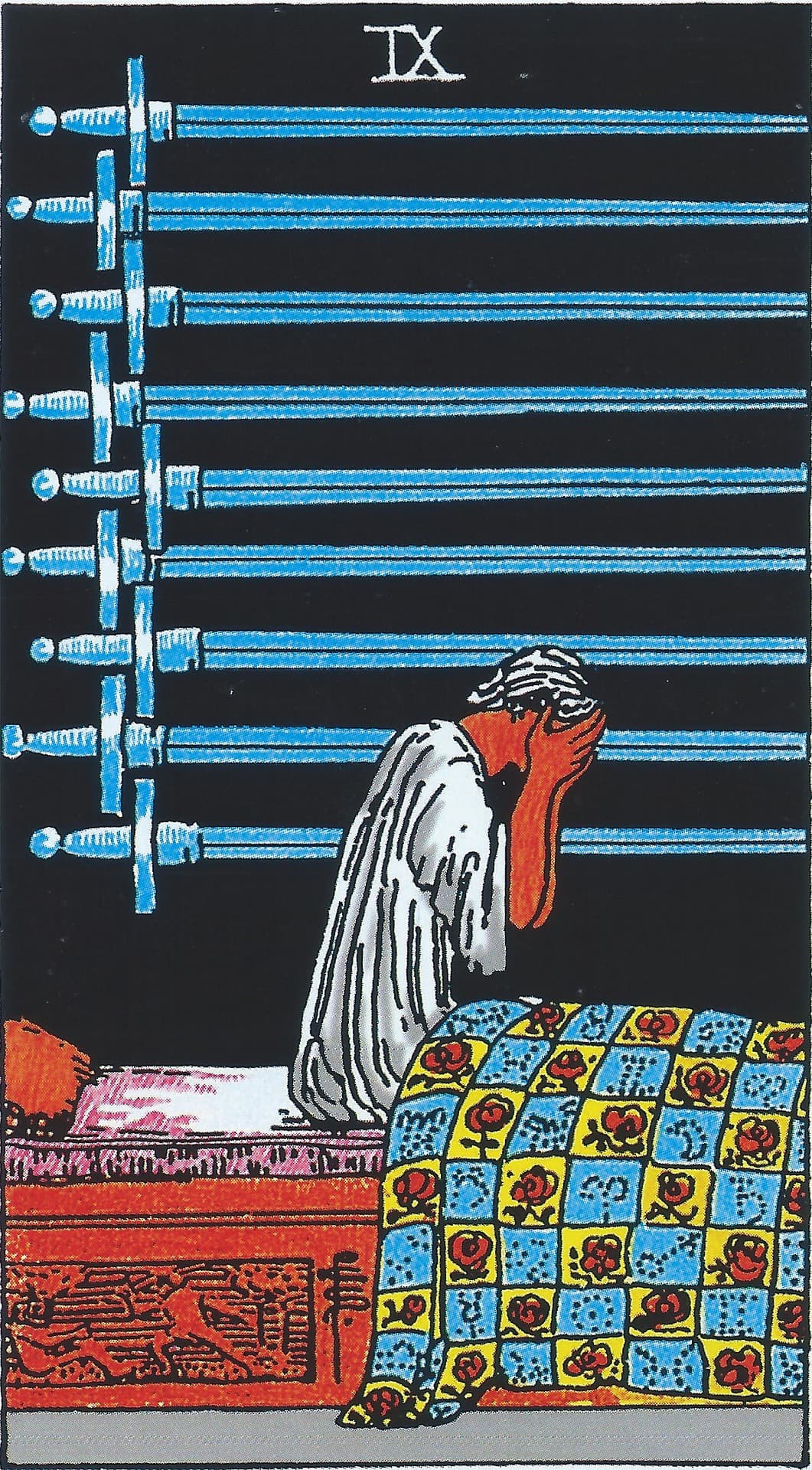
Nine of Swords
Swords • 9
Upright: anxiety, worry, mental anguish
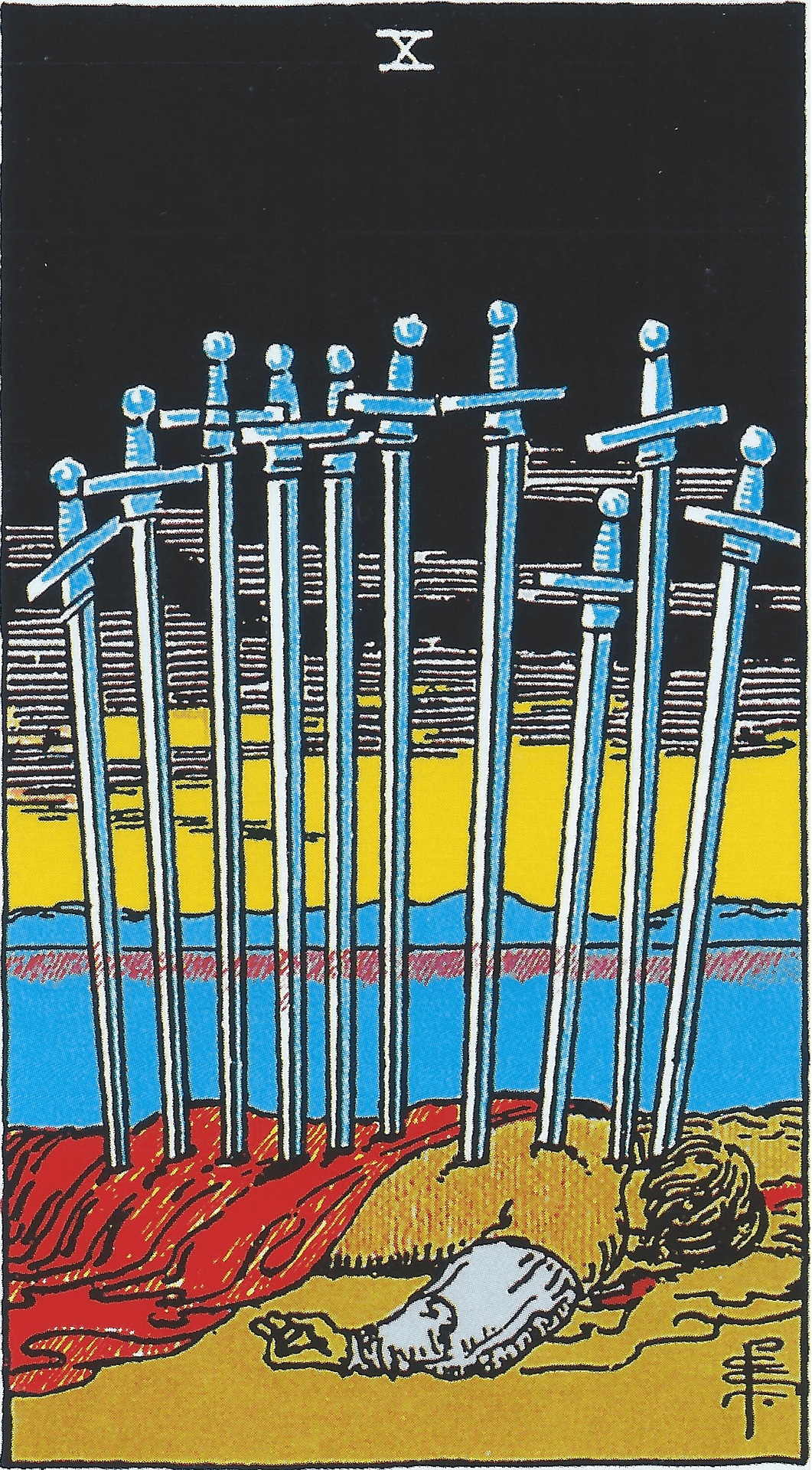
Ten of Swords
Swords • 10
Upright: rock bottom, betrayal, painful ending
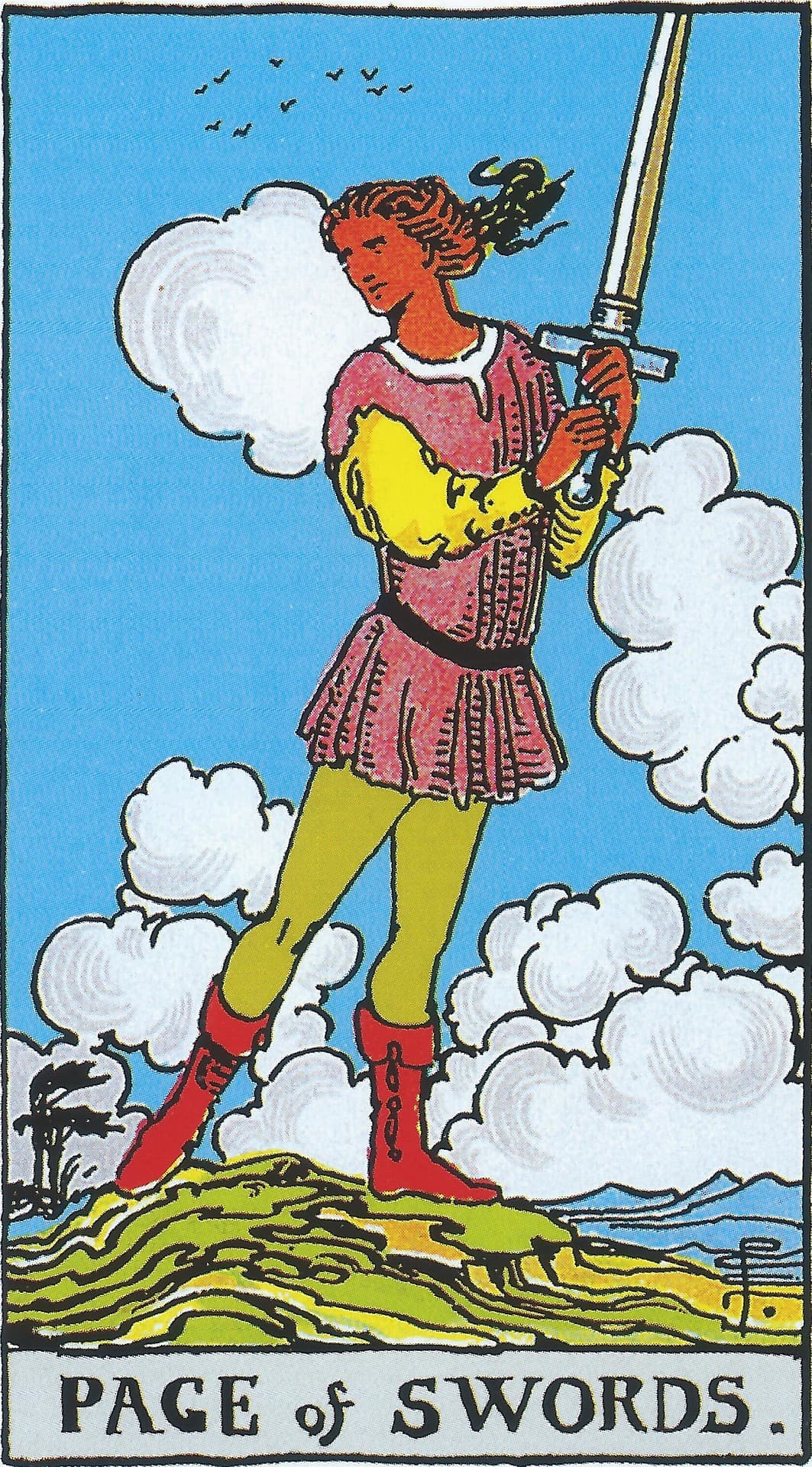
Page of Swords
Swords • 11
Upright: intellectual curiosity, new ideas, communication
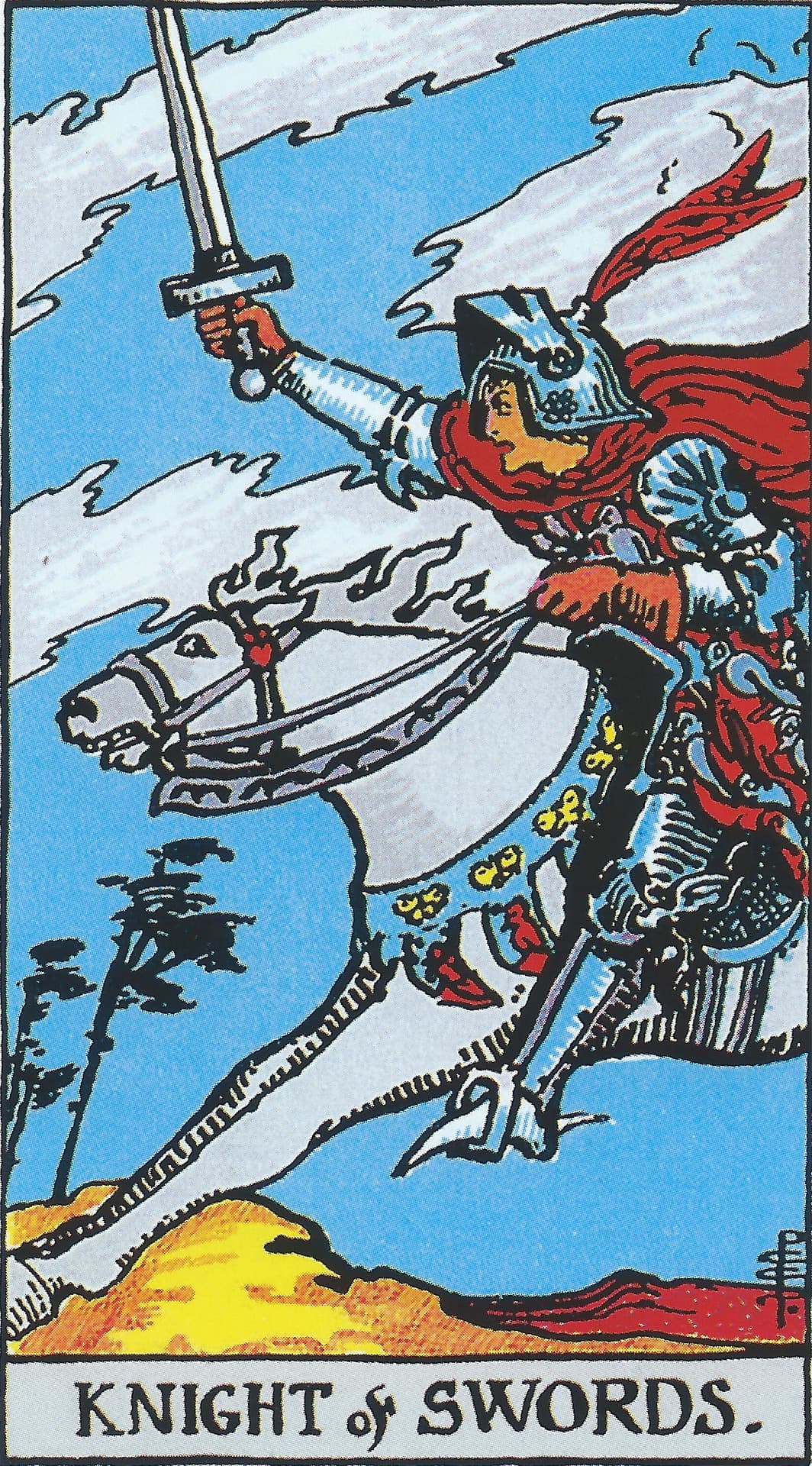
Knight of Swords
Swords • 12
Upright: swift action, determination, ambition
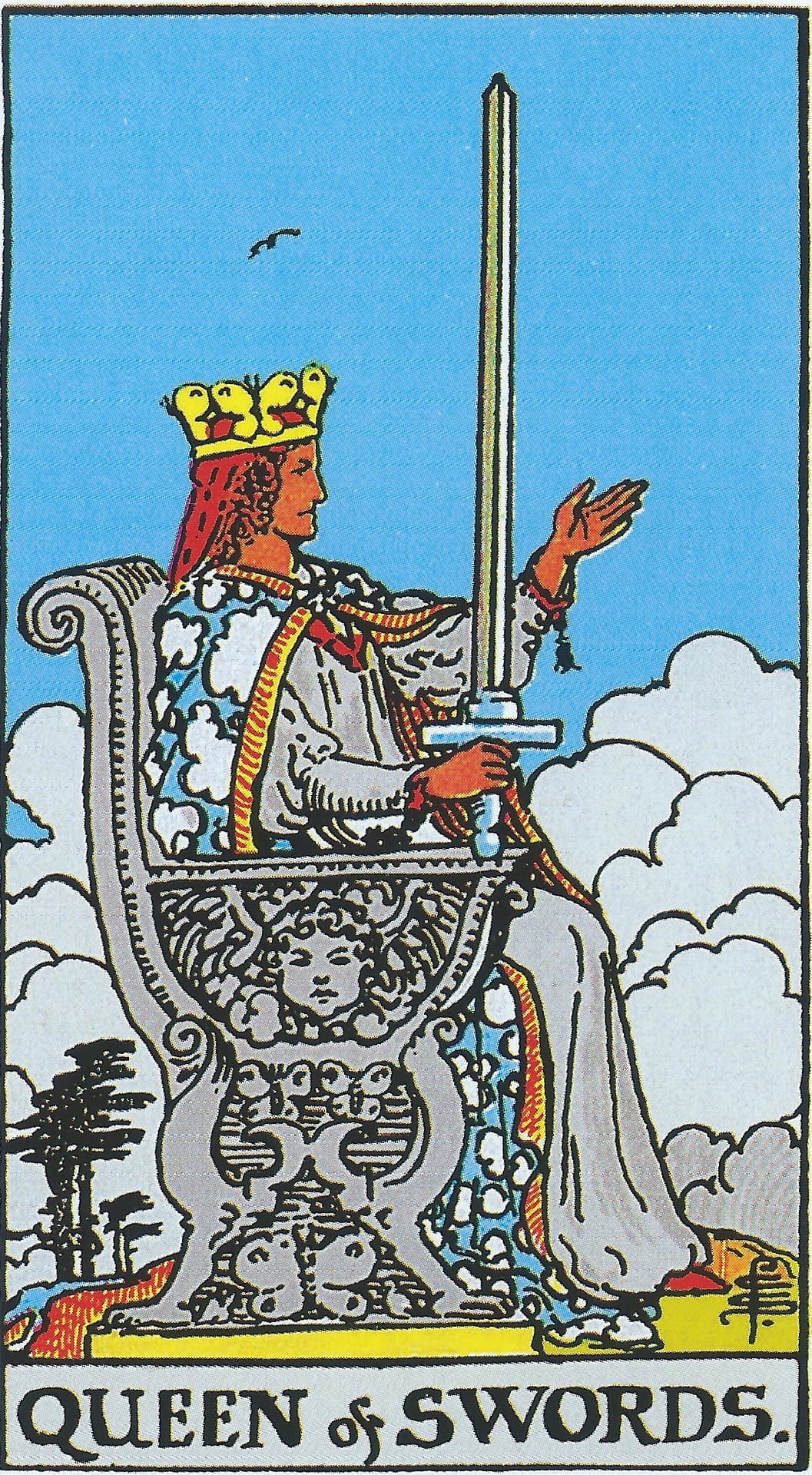
Queen of Swords
Swords • 13
Upright: clear thinking, intellectual independence, sharp insight
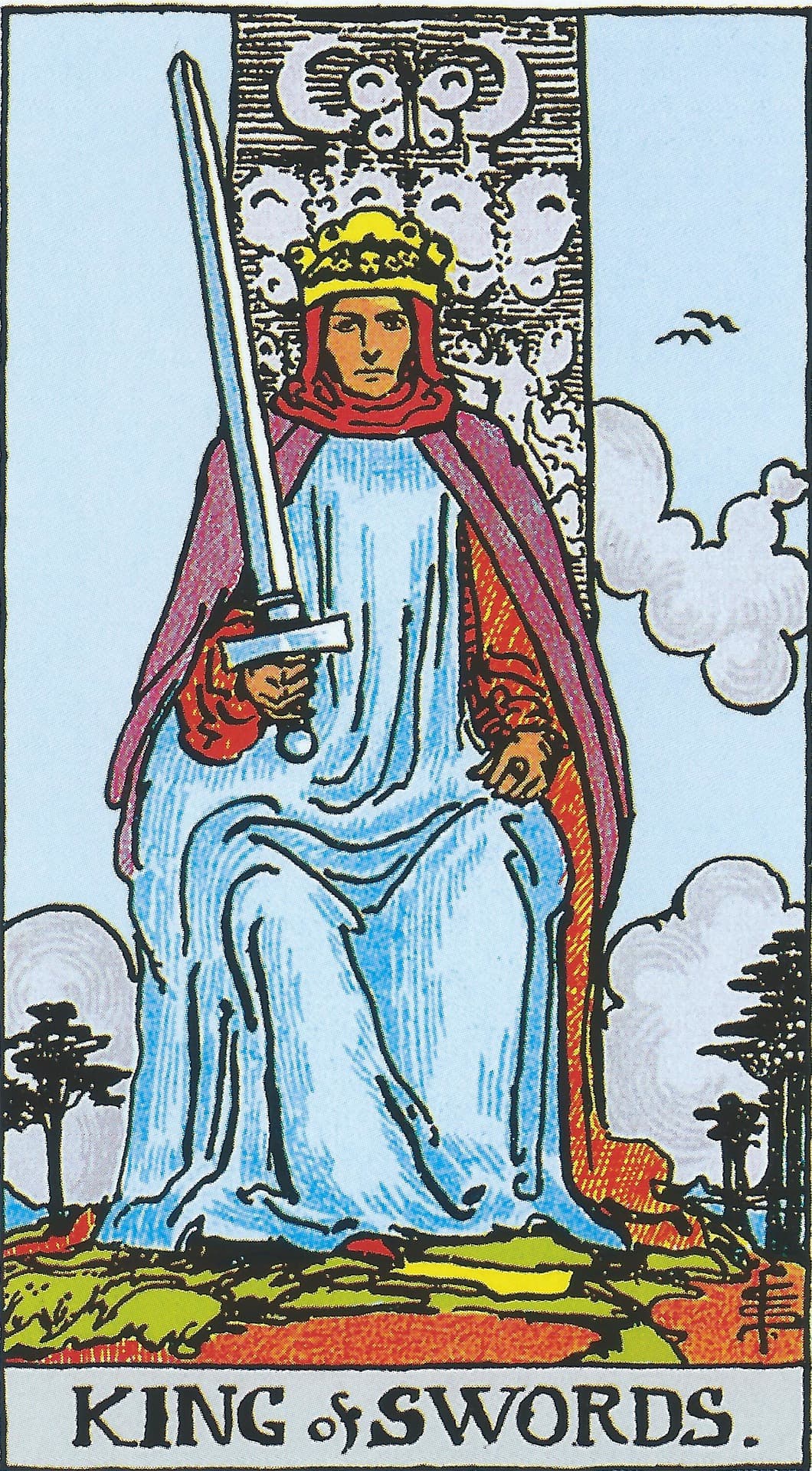
King of Swords
Swords • 14
Upright: intellectual authority, ethical leadership, fair judgment
Suit of Pentacles
Earth Element • Material World, Stability, Nature, Body, Prosperity
Pentacles are the Earth suit: work, money, health, and material stability. Pull Pentacles for career, finances, and practical plans. This is reflection, not financial advice.
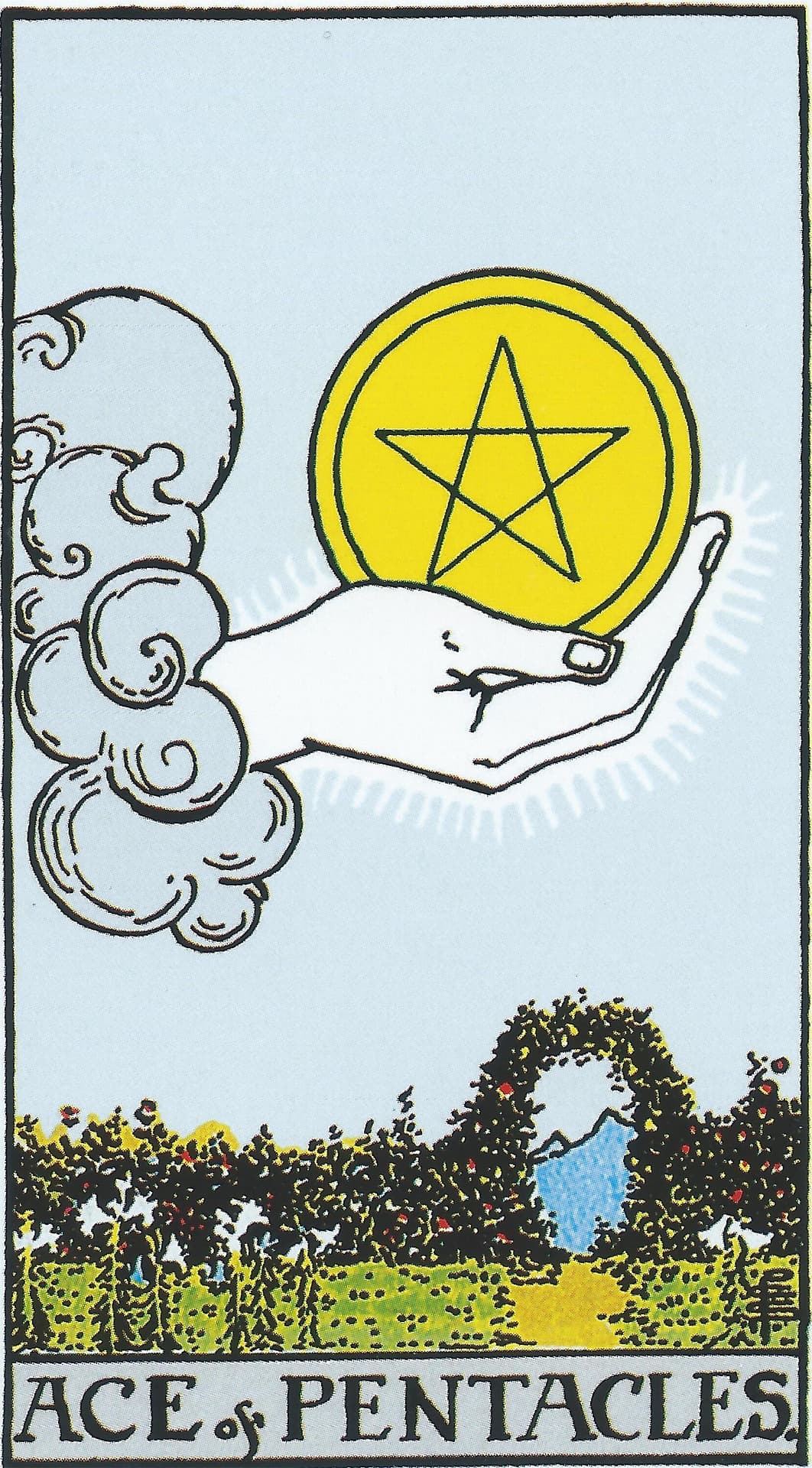
Ace of Pentacles
Pentacles • 1
Upright: prosperity, abundance, opportunity
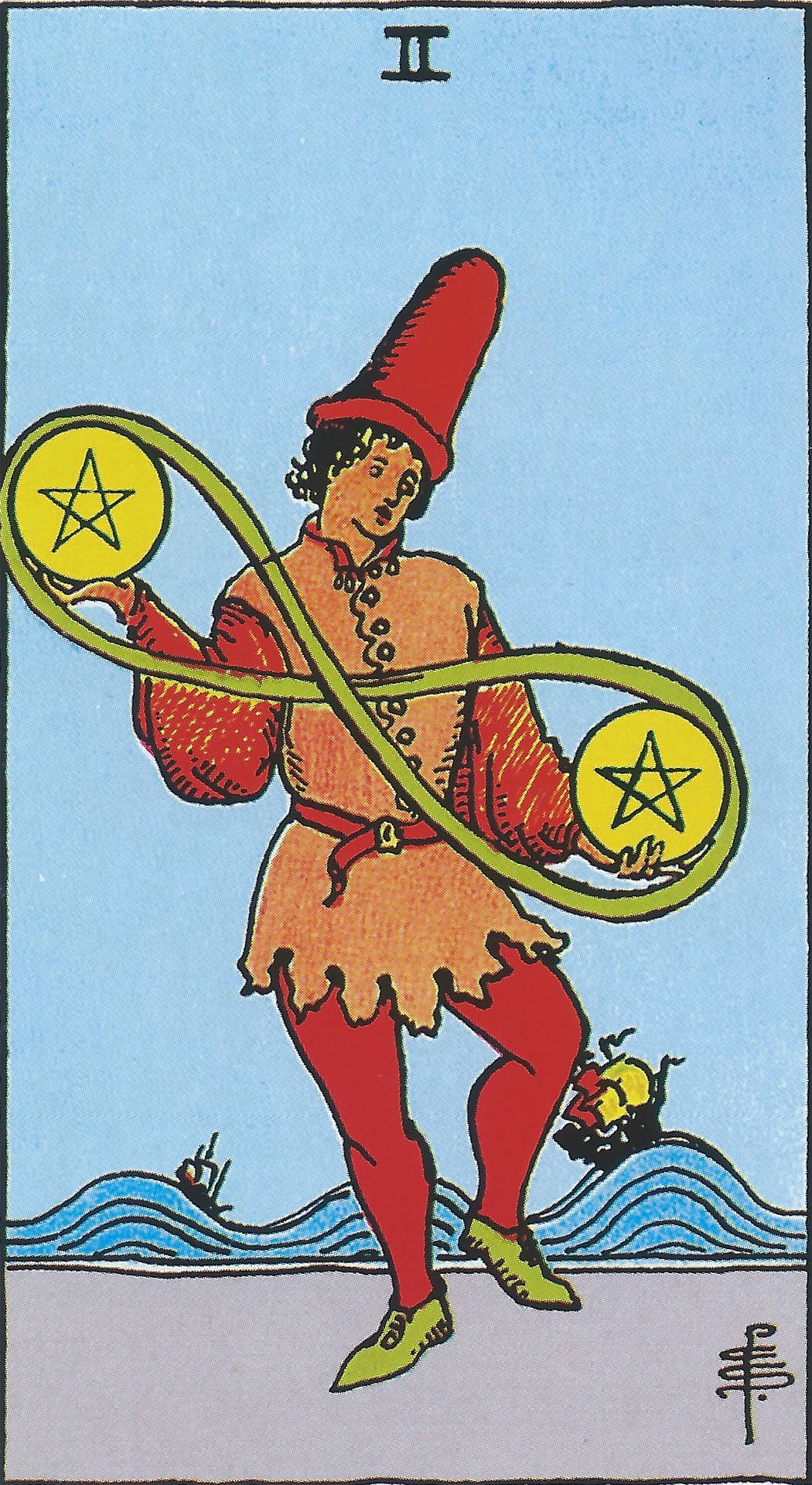
Two of Pentacles
Pentacles • 2
Upright: balance, adaptability, priorities
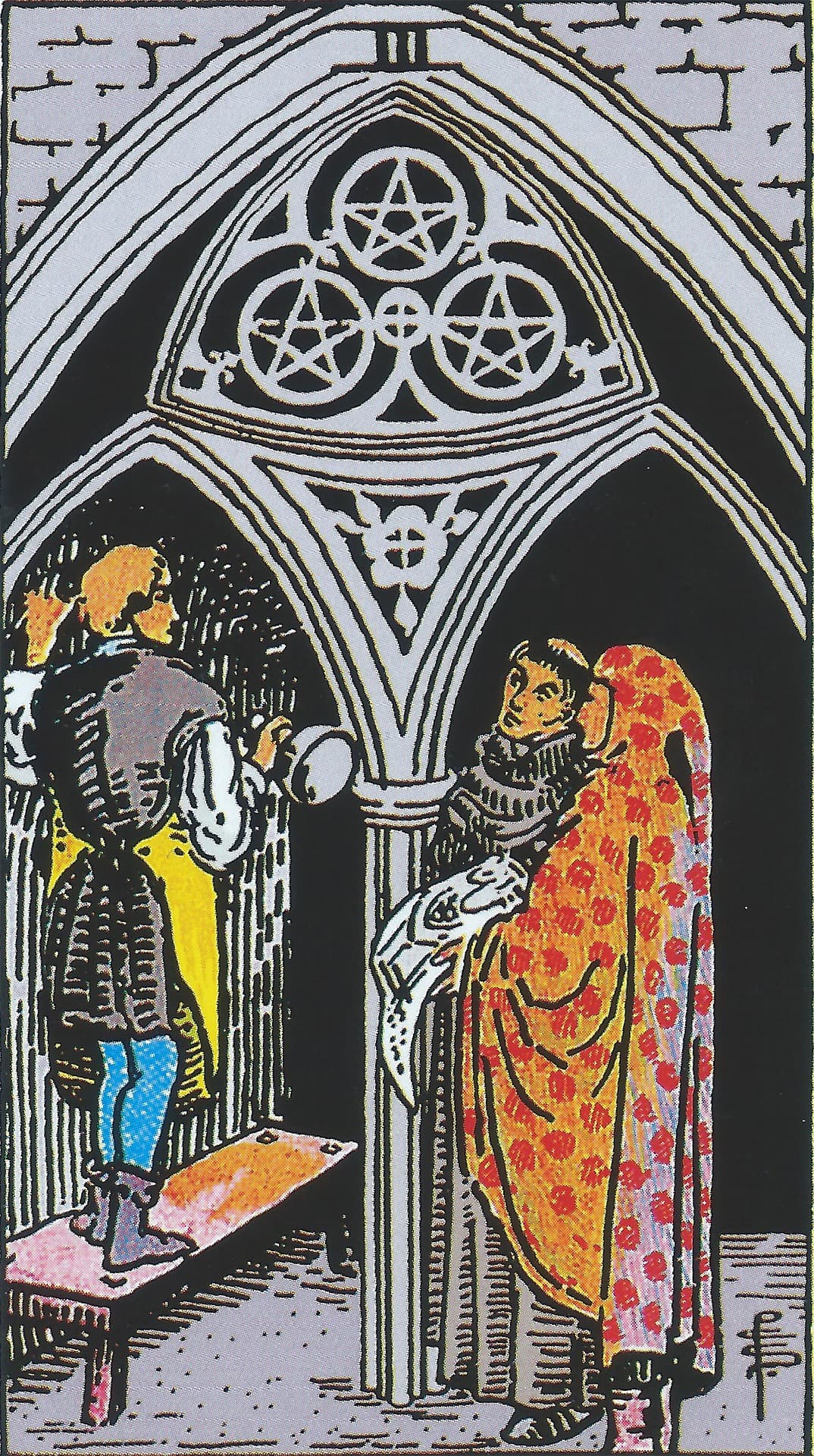
Three of Pentacles
Pentacles • 3
Upright: teamwork, collaboration, skill
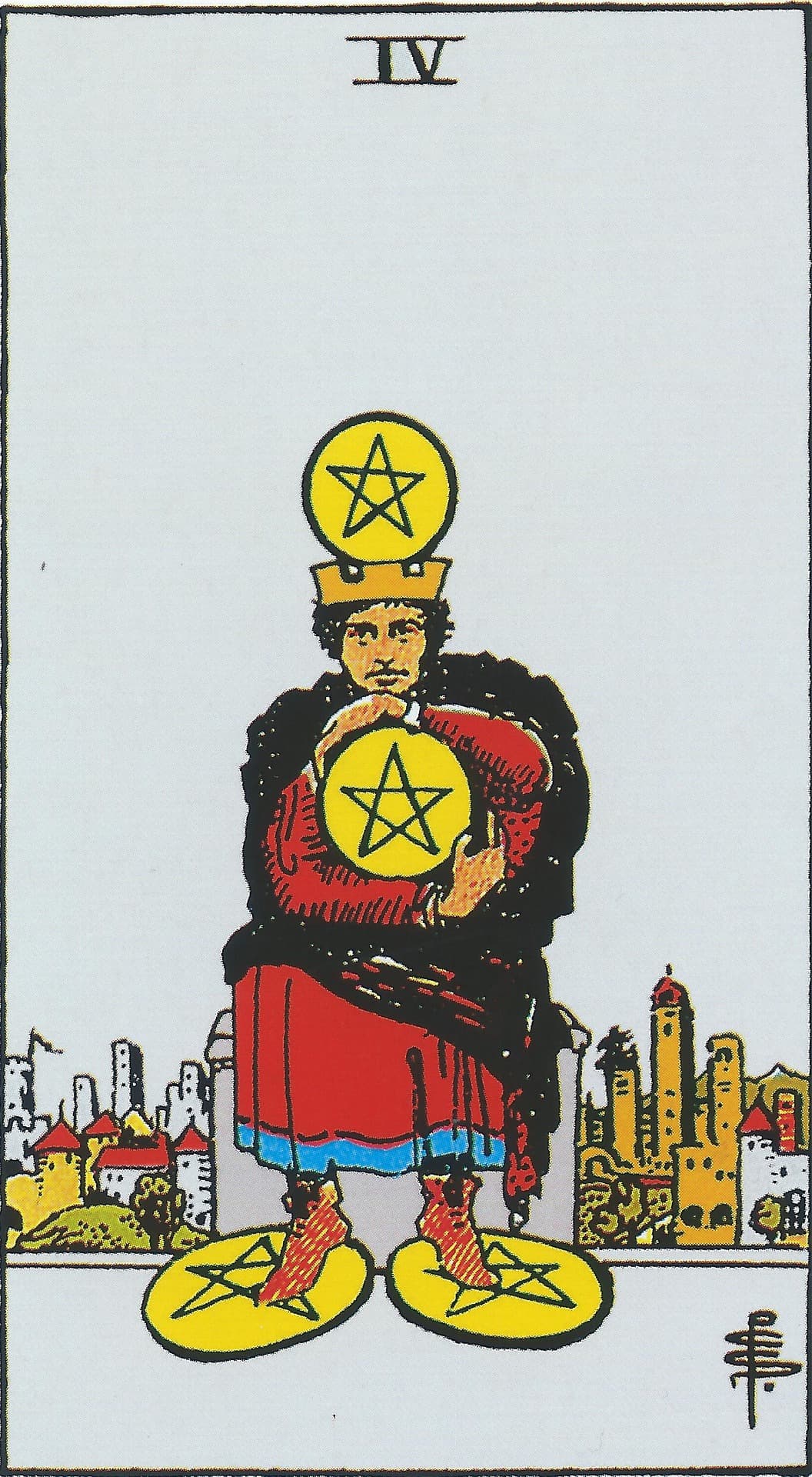
Four of Pentacles
Pentacles • 4
Upright: security, conservation, saving
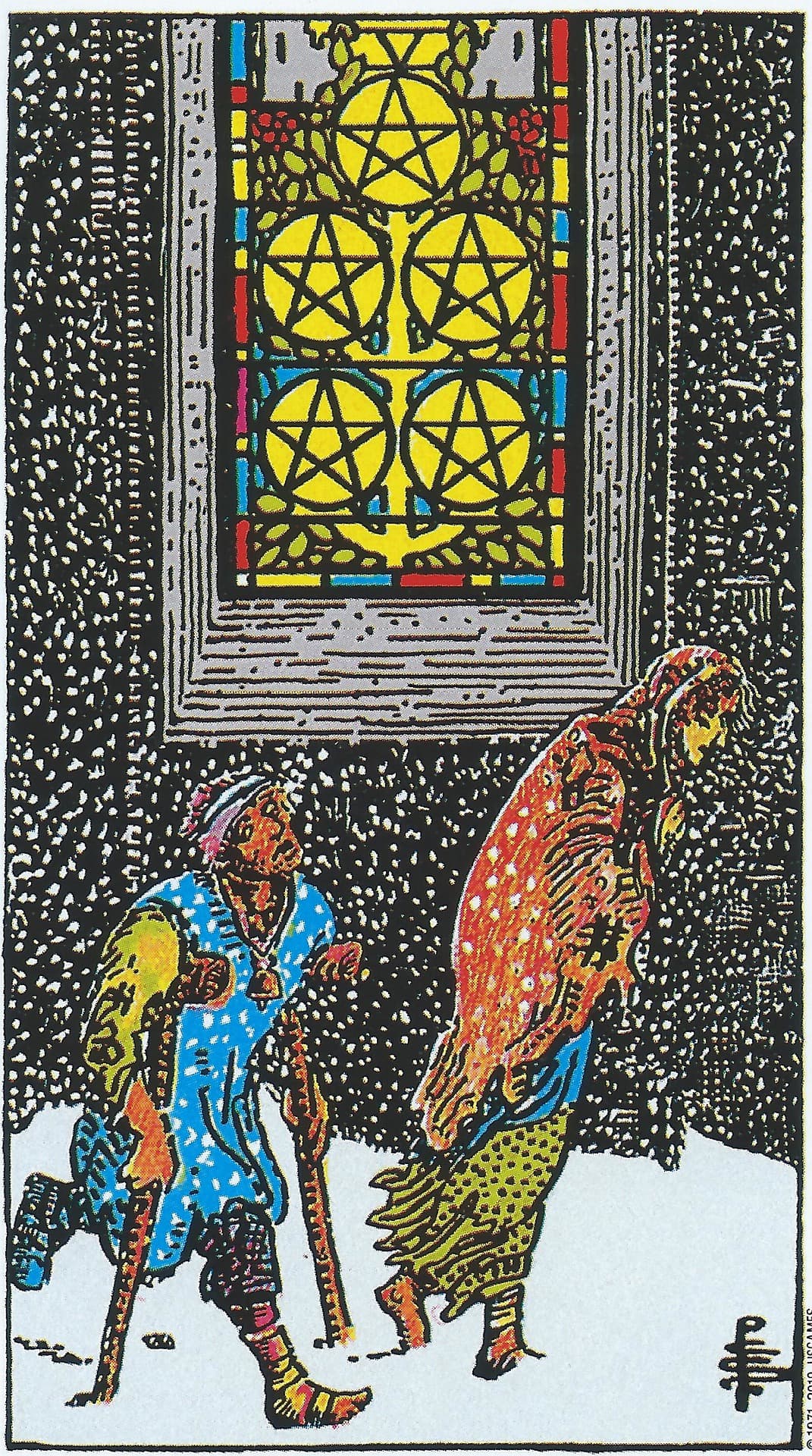
Five of Pentacles
Pentacles • 5
Upright: hardship, poverty, insecurity
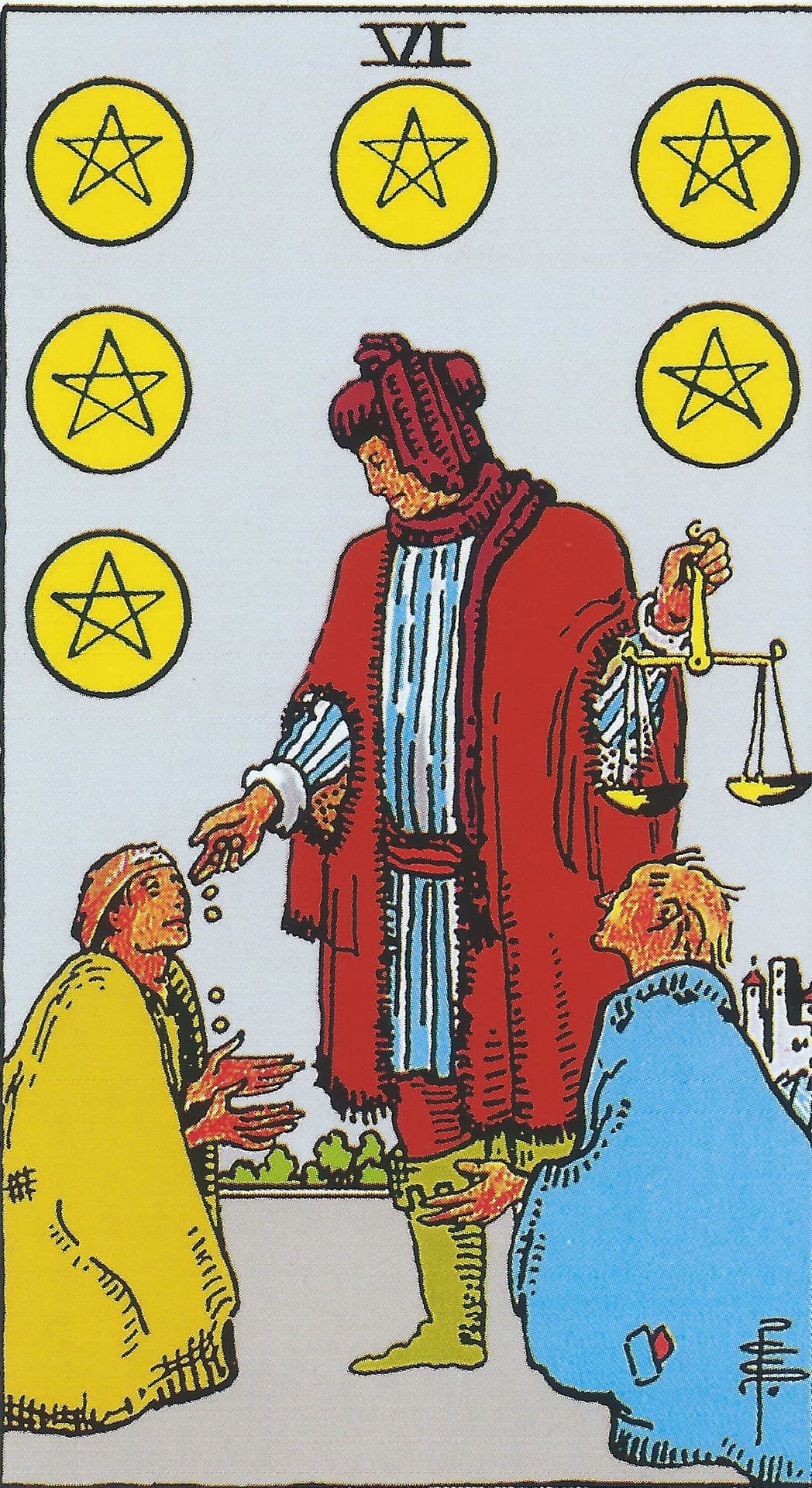
Six of Pentacles
Pentacles • 6
Upright: generosity, charity, sharing
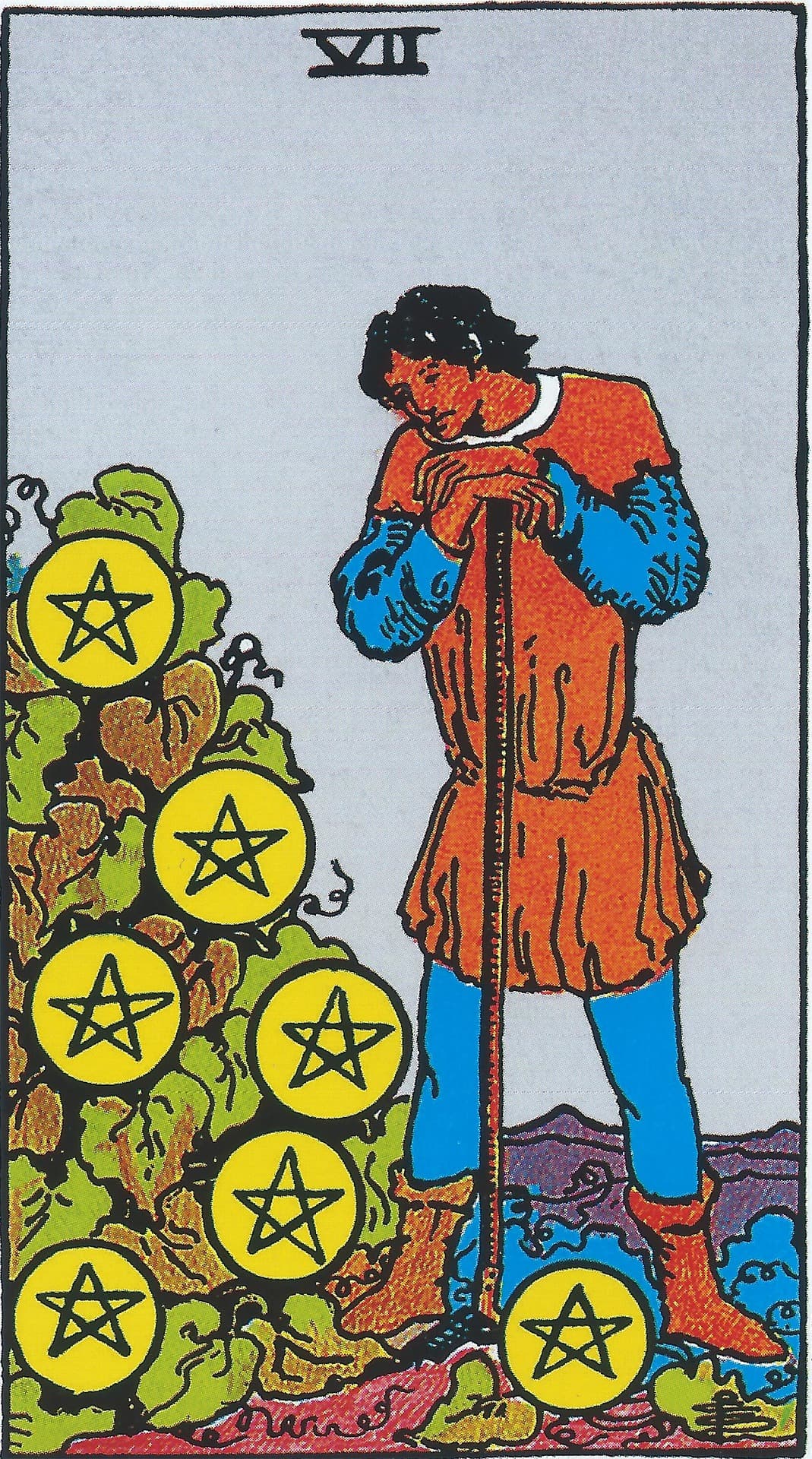
Seven of Pentacles
Pentacles • 7
Upright: patience, perseverance, investment
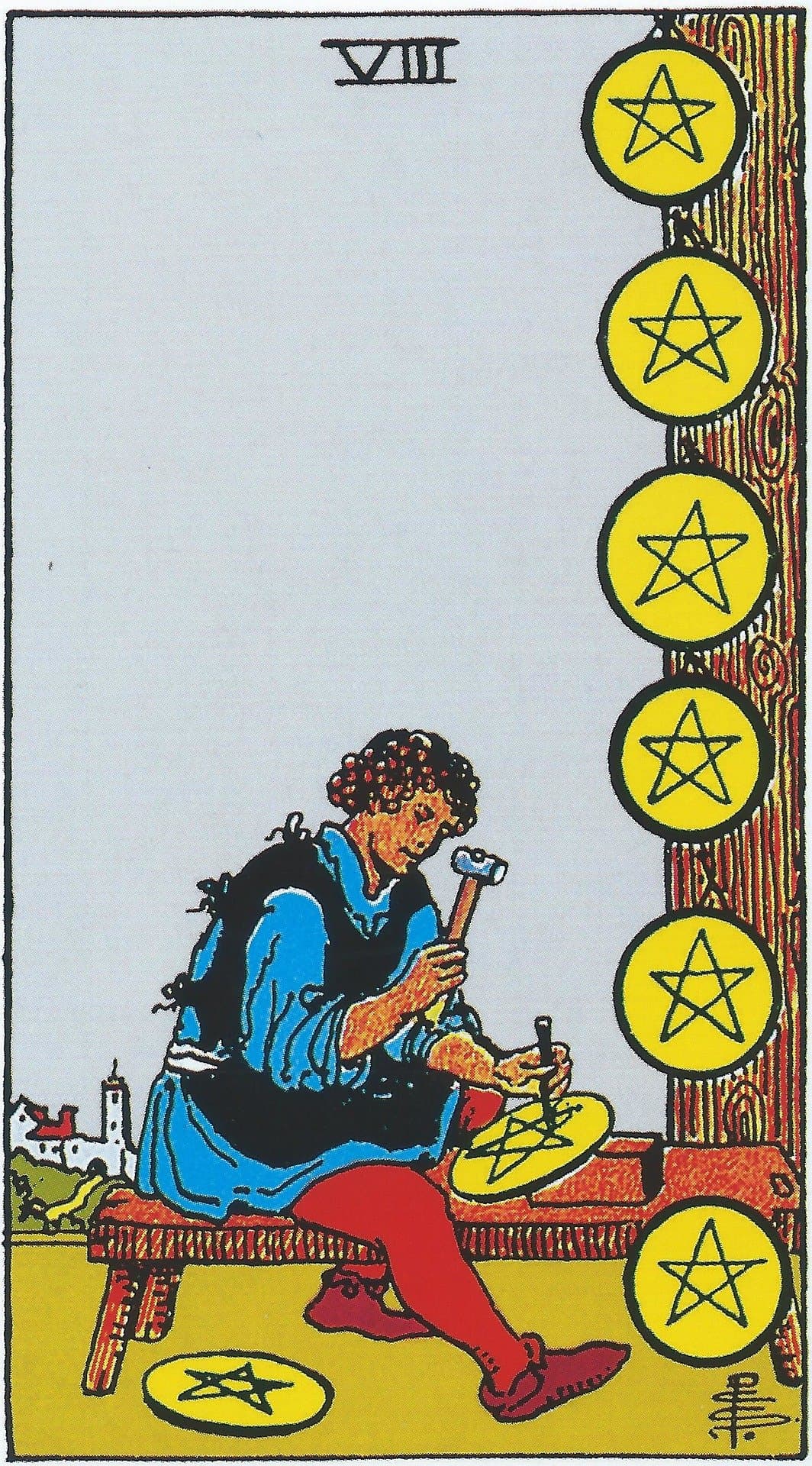
Eight of Pentacles
Pentacles • 8
Upright: apprenticeship, skill development, craftsmanship
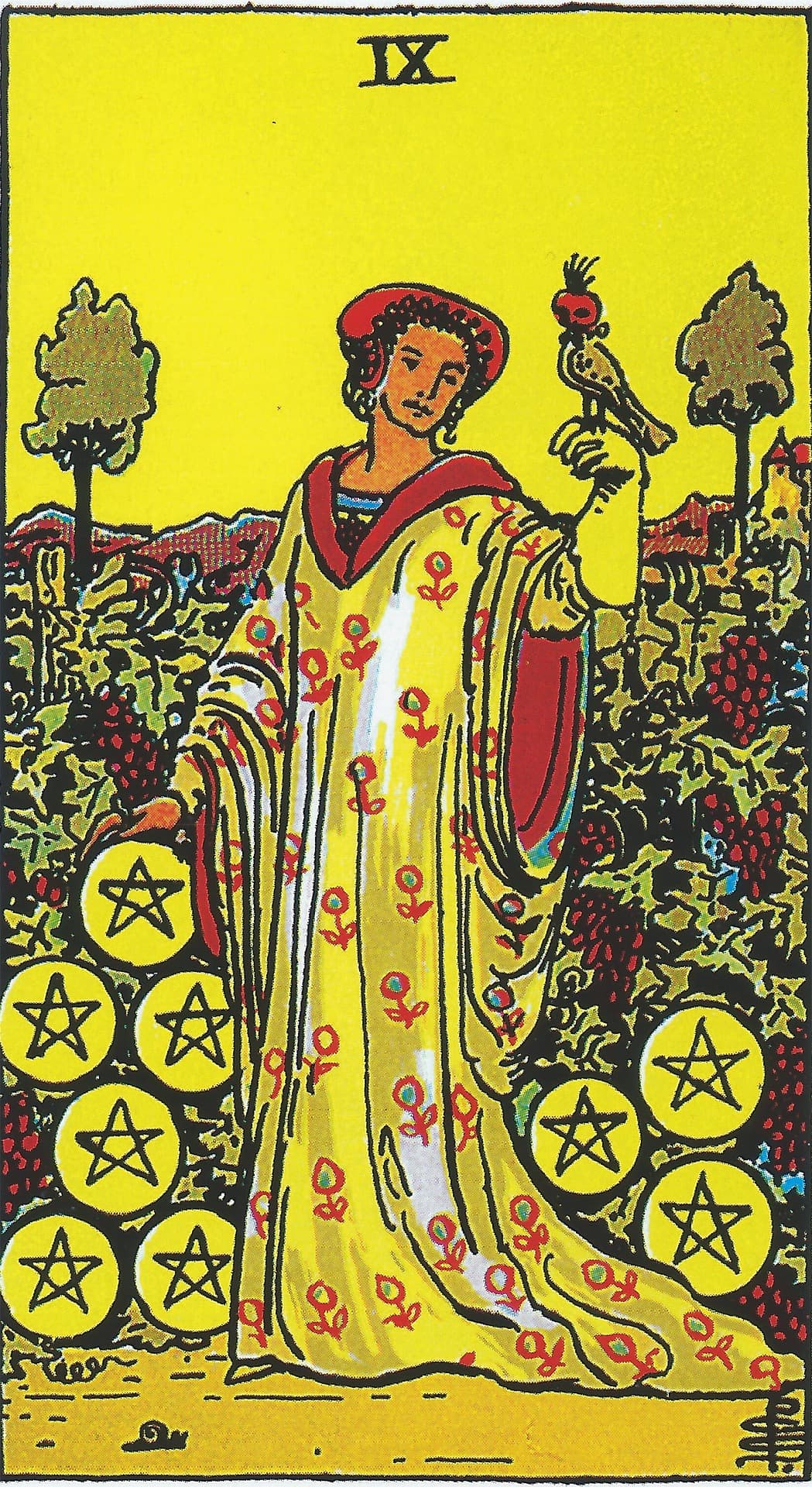
Nine of Pentacles
Pentacles • 9
Upright: independence, luxury, self-sufficiency
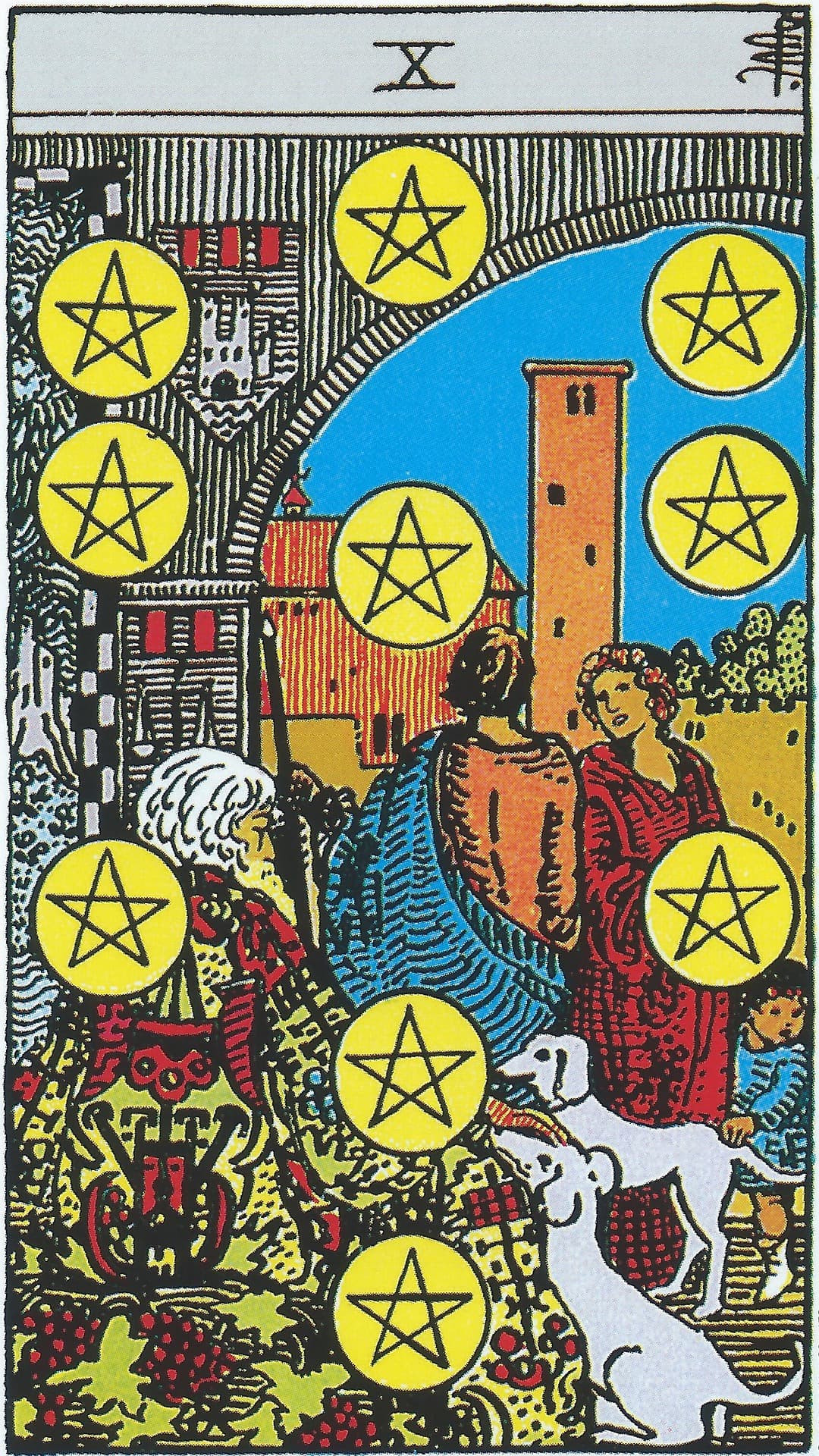
Ten of Pentacles
Pentacles • 10
Upright: generational wealth, family legacy, inheritance
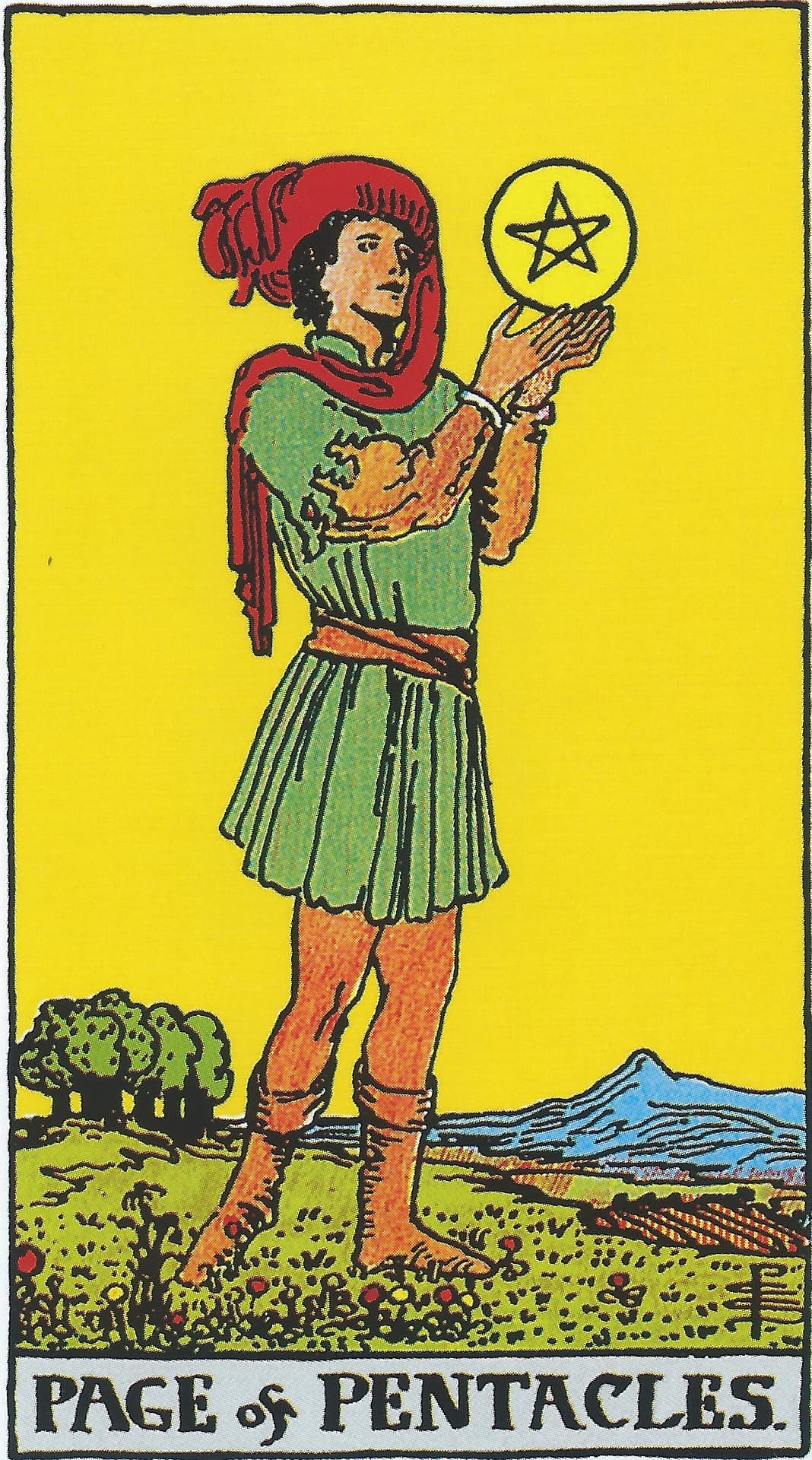
Page of Pentacles
Pentacles • 11
Upright: new opportunities, practical study, manifesting
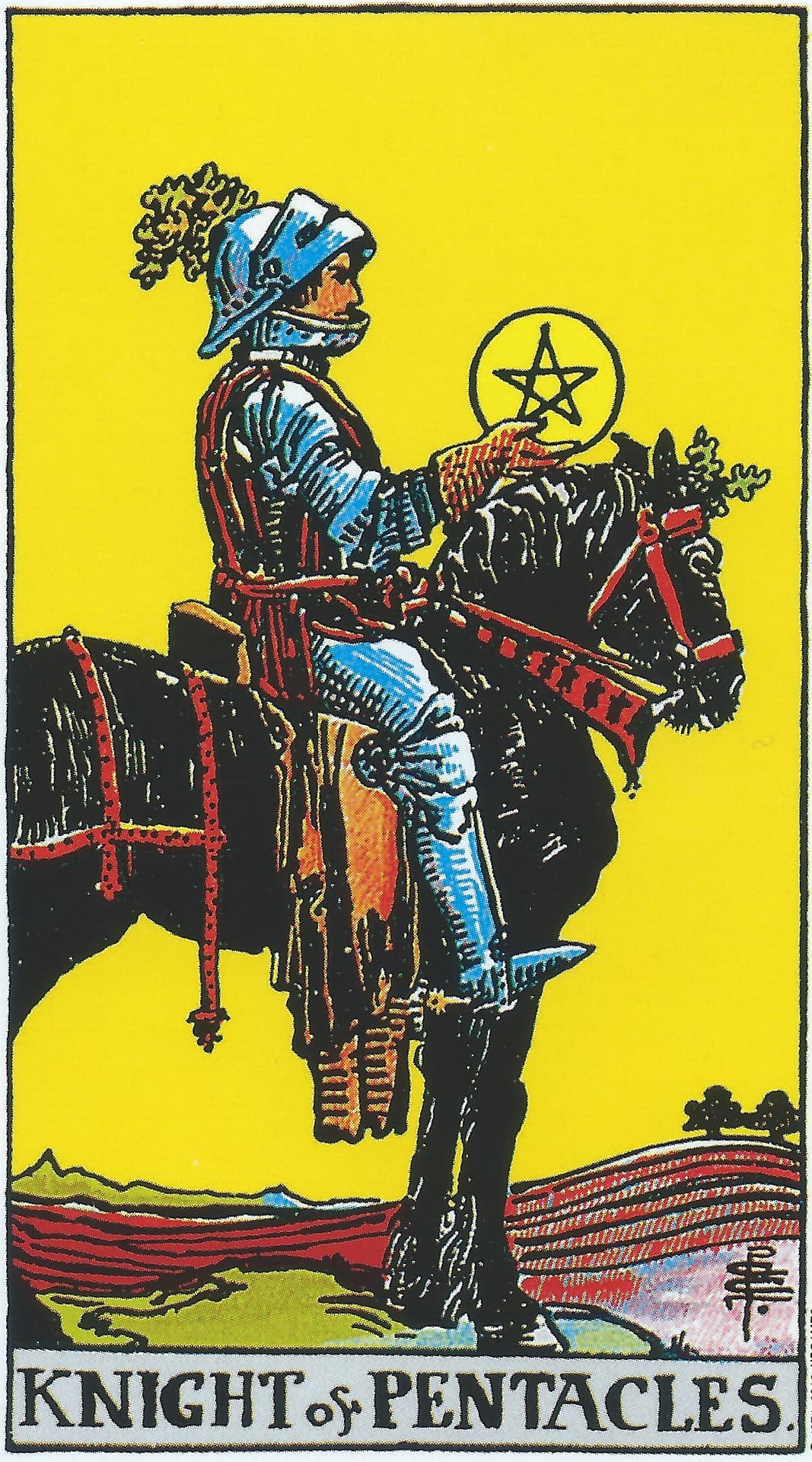
Knight of Pentacles
Pentacles • 12
Upright: reliability, methodical progress, hard work
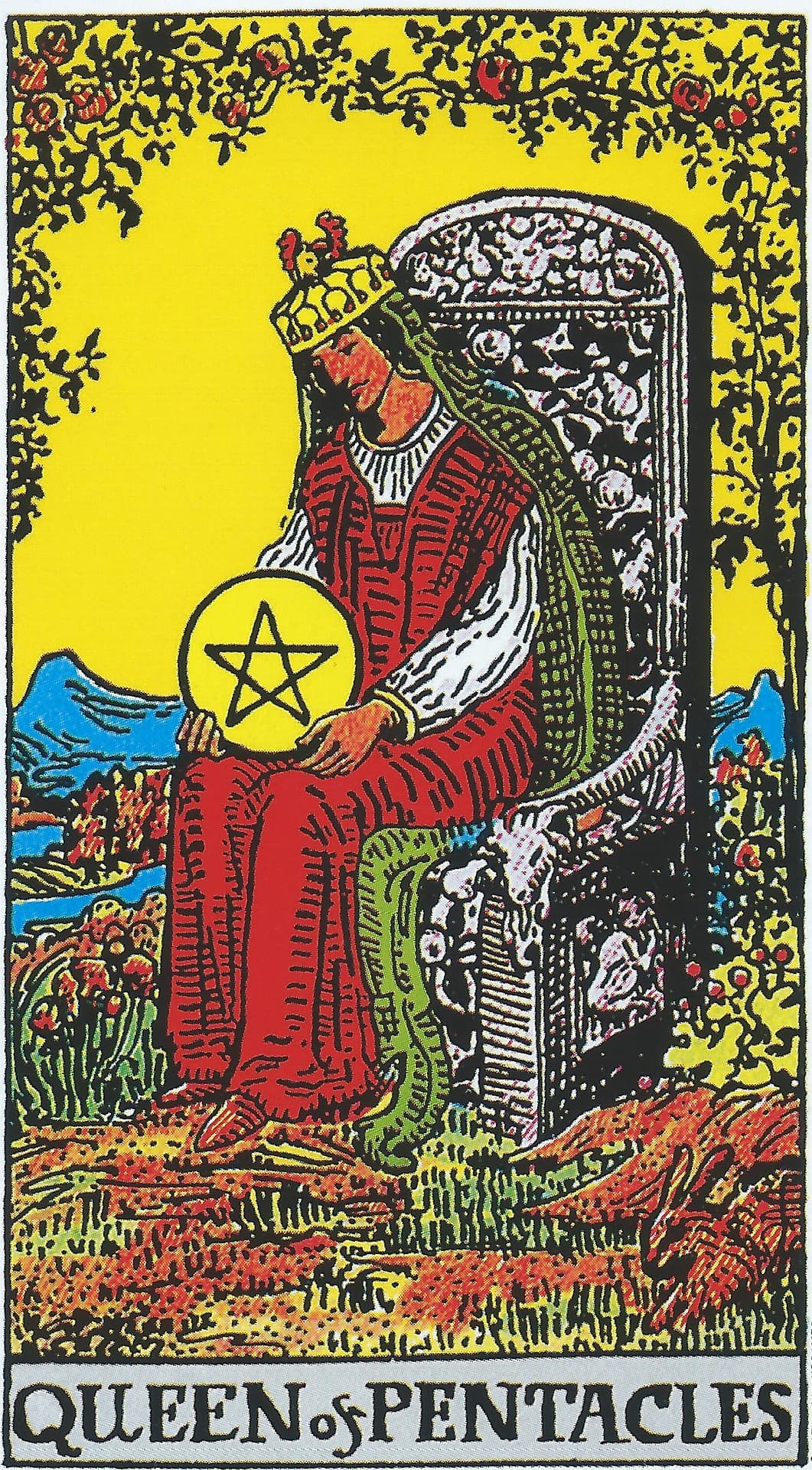
Queen of Pentacles
Pentacles • 13
Upright: nurturing abundance, practical care, material comfort
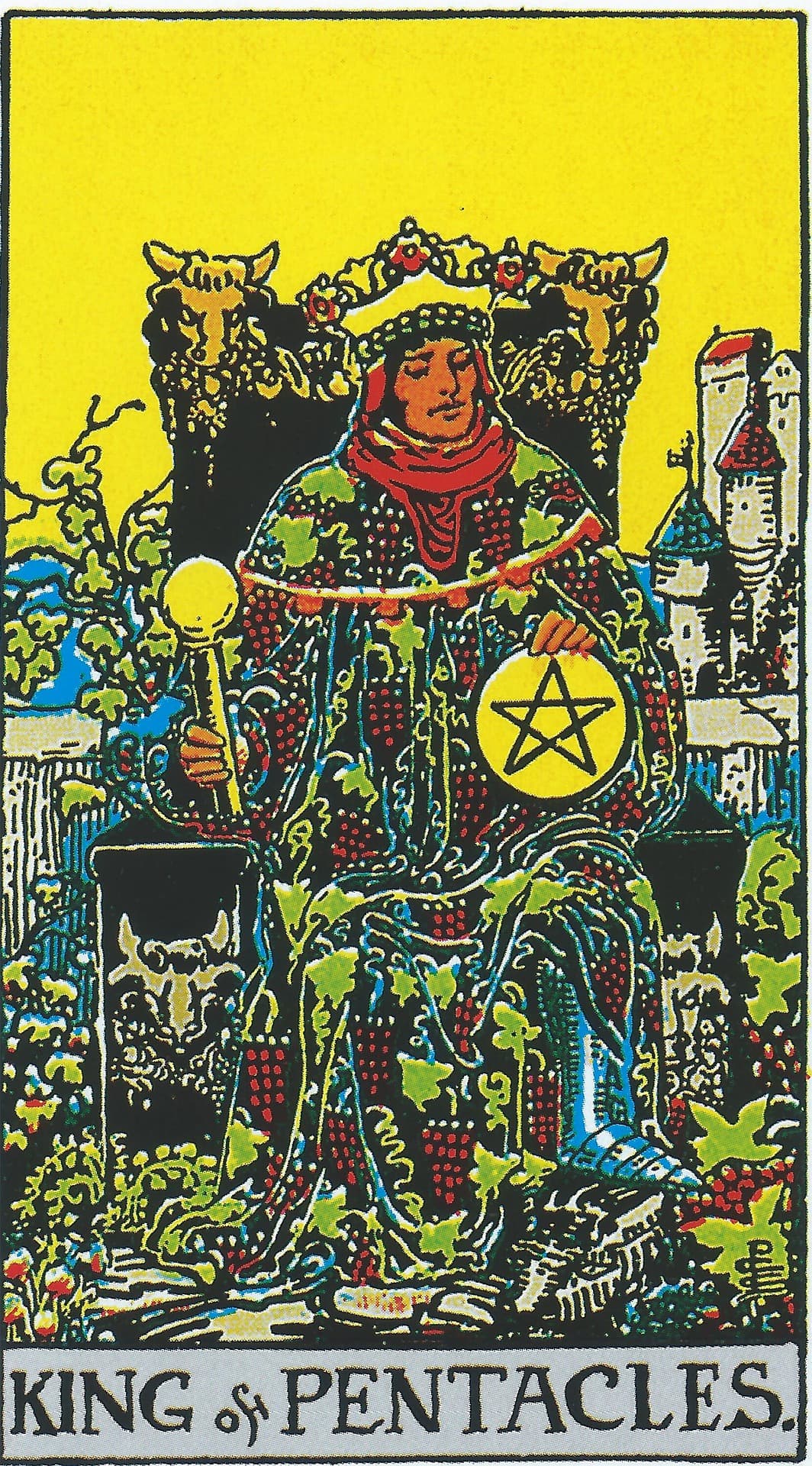
King of Pentacles
Pentacles • 14
Upright: financial mastery, business leadership, material success
How to use this library: pick cards by question, not alphabetically
This library is easier to use when you start from the question in your body, not from The Fool and a plan to memorize seventy-eight pages. Alphabet order is a filing system. Question-type is a reading practice. Name the climate first—love, a stuck decision, an ending, a beginning, money, or a need to sit still—then open three cards that speak that climate. The finder table below is that map.
| Question type | Suggested cards |
|---|---|
| love & relationships | |
| decisions & stalemates | |
| endings & change | |
| new beginnings | |
| career & money | |
| self-reflection |
Love and relationships live in the cups and in The Lovers: how two people meet, what they share, and whether a household still feels like home. Decisions and stalemates belong to swords and to Justice or The Hanged Man, when the work is to look, wait, or weigh. Endings and change are Death, the Ten of Swords, and The Tower—three different kinds of finish. New beginnings start with The Fool and the aces, seeds rather than trophies. Career and money sit in the pentacles, from a first opportunity to a structure that outlives a paycheck. Self-reflection is the inner row: Hermit, High Priestess, Judgement.
Spread size is the next choice. One card is a snapshot: “What is the climate of this question today?” Three cards make a sentence— situation, crossing, advice, or past / present / next honest step. The Celtic Cross is a full-room map when the question is large and you have time to sit with ten positions. Do not jump to ten cards because the situation feels dramatic. Jump because you need every chair in the room labeled. Practice layouts on the tarot spreads guide.
Cards also change when they sit next to each other. Death beside The Star is not the same sentence as Death beside a pile of swords. A combination is one interaction—how two images revise each other—not a third invented card. When a pair in a reading keeps tapping your shoulder, open the card combinations hub and read the live pair pages as a study aid. Then come back to your question. The library is for looking up language. The reading is for applying it to a Tuesday in your actual life, in the country and city you are actually standing in.
If you only have five minutes, pick the finder row, open one card, and write a single sentence about how it names the climate—not how it predicts an outcome. That is enough of a practice to use this hub the way it was built: as a question-first library, not an alphabetical exam.
How to use this tarot card meanings guide
This hub lists all 78 tarot card meanings—Major and Minor Arcana—with upright and reversed notes for love, career, health, and personal growth.
Start with a card from a recent pull, or browse by suit when you are learning the deck.
- Open any card page for symbols, keywords, and context
- Compare upright vs reversed energy on the same card
- Cross-check with your question before drawing conclusions
Major Arcana (22): spiritual lessons and major life events.
Minor Arcana (56): Cups, Wands, Swords, and Pentacles for everyday situations.
Each suit has ten numbered cards (Ace–Ten) plus four court cards (Page, Knight, Queen, King).
A Brief History of Tarot
Tarot began in the 15th century as playing cards in Europe (World History Encyclopedia).
Early luxury decks such as the Visconti-Sforza tarot shaped the imagery in Renaissance Italy.
Centuries later the system was adapted for reflection and cartomancy. Readers still use these symbols for personal growth and intuitive practice.
Frequently Asked Questions About Tarot Card Meanings
What are tarot cards?
Tarot cards are a deck of 78 cards, each with unique imagery and symbolism. They are used for divination, self-reflection, and spiritual guidance, helping people gain insight into their lives and situations.
What is the difference between Major and Minor Arcana?
The Major Arcana consists of 22 cards representing major life events and spiritual lessons, while the Minor Arcana includes 56 cards divided into four suits, focusing on everyday experiences and challenges.
How do I interpret tarot card meanings?
Interpret tarot cards by considering their imagery, symbolism, and traditional meanings. Trust your intuition and reflect on how each card's message applies to your question or situation. Upright and reversed positions can offer different insights.
Can tarot predict the future?
Tarot is best used as a tool for guidance and self-discovery rather than fortune-telling. It can highlight potential outcomes and offer advice, but your actions and choices shape your future.
How many cards are in a tarot deck?
A standard tarot deck contains 78 cards: 22 Major Arcana cards representing life's spiritual lessons and turning points, and 56 Minor Arcana cards across four suits (Cups, Wands, Swords, Pentacles) with 14 cards each.
Where can I learn more about tarot?
Explore the PullTarot blog for tarot tips, spreads, and in-depth guides, or get a personalized tarot reading for deeper insight.
tarot card meanings
Tarot card meanings are the upright and reversed interpretations of all 78 cards—22 Major Arcana and 56 Minor Arcana—used as a language for reflection, not as a script of what must happen. On PullTarot each meaning page covers keywords, symbolism, and how the card shows up in love, work, and daily questions. Start from the question you are actually asking, then open the card that names that climate. Use the library as a study tool before or after a free reading.
how to read tarot card meanings
How to read tarot card meanings: name the question, note the card’s image and keywords, then apply only the part that fits the position in your spread. Upright and reversed are climates, not moral scores. One card is a snapshot; three cards make a sentence; a Celtic Cross maps a whole situation. PullTarot’s pages are written for that practice—compare the text with your life instead of hunting for a prediction.
what are the 78 tarot card meanings
The 78 tarot card meanings are the full Rider-Waite-Smith deck: 22 Major Arcana life-lessons plus 56 Minor Arcana cards in Cups, Wands, Swords, and Pentacles. Each suit has Ace through Ten and four court cards. Together they cover inner turning points and everyday logistics. This hub lists every card so you can look up one page, then return to a spread or a free PullTarot reading.
Continue with the PullTarot blog, the About PullTarot page, or a personalized tarot reading.
Sit with the card
- What question is actually on your mind today—not the polished version, the one in your body?
- Which row in the finder table names that climate most honestly?
- If you pulled one card for that question, what would you hope it would not say?
Understanding Tarot Card Meanings
How to interpret tarot cards for beginners?
Learn each card upright and reversed, then apply it to your question.
- Read the imagery and traditional keywords
- Note which suit/element is speaking
- Practice with simple three-card spreads
What do reversed tarot cards mean?
A reversal usually means the card's energy is blocked, internalized, or resisted—not simply “the opposite.”
- Blocked or delayed expression of the upright theme
- Inner process rather than outer event
- Shadow side or lesson you may be avoiding
Which tarot cards represent love?
Primary love cards include The Lovers, Two of Cups, and Ten of Cups.
- The Empress — nurturing love and creative fertility
- The High Priestess — intuitive, quiet connection
- Cups suit (Water) — emotions and relationships in general
What tarot cards indicate career success?
Career momentum often shows as The Magician, Three of Pentacles, or Ten of Pentacles.
- The Chariot — determination and follow-through
- The World — completion and recognition
- Pentacles suit (Earth) — work, money, and material results
Quick Tarot Elements Reference
Cups (Water) = Emotions & Love | Wands (Fire) = Energy & Passion | Swords (Air) = Intellect & Truth | Pentacles (Earth) = Material & Prosperity
Understanding the Tarot Deck Structure
A standard tarot deck has 78 cards in two sections:
- Major Arcana (22) — spiritual lessons, karmic themes, and major turning points.
- Minor Arcana (56) — Cups, Wands, Swords, and Pentacles for daily life.
Inside each suit you will find:
- Ten numbered cards (Ace through Ten)
- Four court cards (Page, Knight, Queen, King)
Where Tarot Card Meanings Come From
Most modern English-language meanings follow the Rider-Waite-Smith tradition, published in 1909 by Arthur Edward Waite with art by Pamela Colman Smith.
Waite's explanations appear in The Pictorial Key to the Tarot, a public-domain primary source.
PullTarot's upright and reversed write-ups build on that lineage for reflection and entertainment—not medical, legal, or financial outcomes.
Earlier 15th-century decks, including the Visconti-Sforza cards, began as game cards.
Cartomancy came later (historical overview). Treat each meaning as documented symbolism—not a random oracle.
Continue Your Tarot Journey
Free Tarot Readings
Get instant, personalized readings for love, career, and daily guidance.
Tarot Spreads Guide
Master every layout from one-card pulls to the Celtic Cross.
Beginner's Guide
New to tarot? Start here with our comprehensive beginner-friendly guide.
Read, pull, or learn next
After looking up a card, open a topic reading (including love), pick a spread layout, start with The Fool, read the beginner guide, or see About PullTarot.
- Free tarot readings by topic
- Love tarot reading
- Tarot spread layouts
- Three-card tarot spread
- Celtic Cross tarot spread
- The Fool tarot meaning
- The Tower tarot meaning
- The Moon tarot meaning
- The Sun tarot meaning
- The World tarot meaning
- Four of Wands meaning
- Eight of Wands tarot card meaning
- Three of Pentacles meaning
- Beginner's guide to tarot
- Start a free 3-card reading
- PullTarot pricing
- Tarot FAQ
- About PullTarot
Get a Personalized Tarot Reading
Want to know what message the cards have specifically for you? Get a personalized tarot reading for deeper insights into your unique situation.
Start Your Reading