
3-card pullInstant and privateReflection, not a prediction
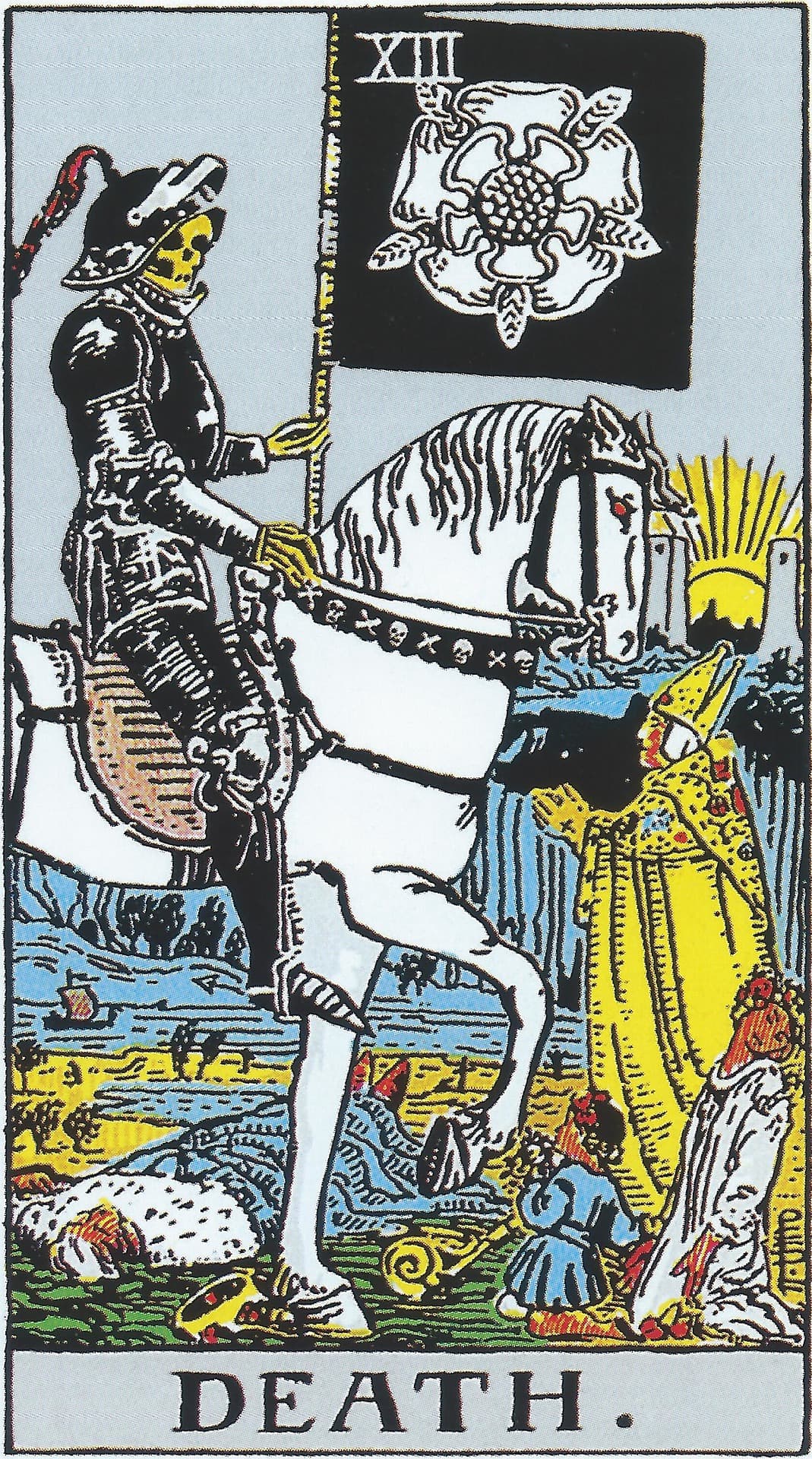
Death Tarot Meaning
Overview
Death is the 13th tarot card (Major Arcana XIII). Readers treat it as transformation, endings, and rebirth—not literal death. It marks a chapter closing so another can begin. PullTarot frames the Death card as reflection for US and Canadian readers, not a medical, legal, or financial forecast. PullTarot meanings are for reflection and entertainment, not guaranteed outcomes.
Key takeaways
- Keywordstransformation, endings, change.
- UprightThe 13th tarot card (Death, Major Arcana XIII) is read as transformation, endings, and rebirth—not a forecast of physical death.
- ReversedReversed, the 13th Major Arcana card often shows resistance to a change that is already underway: clinging to an ended chapter, stalling a needed goodbye, or f…
- RelationshipsIn love, the 13th tarot card often names the end of a pattern—casual dating giving way to commitment, a relationship that has finished its work, or a shift in how you show up.
- Yes or noDeath is a maybe / it-depends card in yes/no readings; surrounding cards, your question, and what you do next matter more than a coin-flip. Pair that lean with the upright or reversed meaning instead of redrawing until you like the answer. PullTarot treats yes/no pulls as entertainment for US and Canadian readers, not medical, legal, or financial advice.
Published by PullTarot (one word). A tarot pull is the card draw; PullTarot is the free online library for readers in the US and Canada. Last updated October 10, 2026.
- Position
- 13th Major Arcana (XIII)
- Element
- Water
- Ruler
- Scorpio
- Yes / No
- neutral
Keywords
Affirmation · upright
"I release what no longer serves me and embrace transformation with courage and trust."
What is the Death tarot card description?
Death tarot is Major Arcana XIII, the card behind death tarot card meaning. It names a finished chapter—an identity, role, or story—so another can start. It does not predict physical death or a calendar date. Upright, the white rose marks what can grow after you stop feeding the old form. Reversed, that ending is often already moving while you bargain to keep it. PullTarot reads this as reflection for the United States and Canada, not a forecast of loss.
What is the Death upright meaning?
The 13th tarot card (Death, Major Arcana XIII) is read as transformation, endings, and rebirth—not a forecast of physical death. It marks the natural close of a cycle so another can start, the way winter makes room for spring. In a spread it asks you to release a habit, role, or story that has finished its work, as symbolic reflection rather than a guaranteed outcome.
What is the Death reversed meaning?
Reversed, the 13th Major Arcana card often shows resistance to a change that is already underway: clinging to an ended chapter, stalling a needed goodbye, or fearing what comes after. The delay is usually the point of the card, not a prediction that nothing will move. Name what you are holding and why—then treat the reading as a prompt, not a verdict.
Death Yes or No: how should you read it?
Death is a maybe / it-depends card in yes/no readings; surrounding cards, your question, and what you do next matter more than a coin-flip. Pair that lean with the upright or reversed meaning instead of redrawing until you like the answer. PullTarot treats yes/no pulls as entertainment for US and Canadian readers, not medical, legal, or financial advice.
What are Death tarot keywords?
Upright Death keywords are transformation, endings, change, and transition. Reversed, readers often note resistance, stagnation, and letting go. Use them as a quick scan of the card—not as a financial, medical, or legal forecast.
- transformation
- endings
- change
- transition
- rebirth
- renewal
- release
- resistance
- stagnation
- letting go
What Death Asks of You
Advice · upright
Embrace the changes happening in your life rather than resisting them. What appears to be an ending is actually a doorway to something better. Let go gracefully and trust in the process of renewal.
Correspondences: which element, sign, and number belong to Death?
Correspondences for Death are the Water element, Scorpio, and Scorpio. Thirteen reduces to four (1+3=4), representing stability after change. Pages that already rank for this card list element, sign or planet, and number as study notes. PullTarot repeats those labels so you can compare cards that share a climate. They are traditional notes for readers in the United States and Canada—not a birth-chart forecast, a medical reading, or a financial outcome.
- Arcana
- 13th Major Arcana (XIII)
- Element
- Water
- Astrology
- Scorpio · Scorpio
- Numerology
- Thirteen reduces to four (1+3=4), representing stability after change. The transformation of Death leads to a new foundation. Thirteen itself speaks to the completion of a cycle and the beginning of transformation.
Symbolism in the Death Card
Death appears not as a frightening figure, but as a necessary force of transformation. The imagery suggests that while endings can be difficult, they are essential for growth and renewal. The rising sun promises new beginnings.
Armored skeleton on white horse
Death as a natural, unstoppable force that affects all equally
Black banner with white rose
Beauty and purity that emerges from endings
Rising sun between pillars
New beginnings and hope after transformation
Bishop, child, and woman
Death touches all walks of life and ages
Flowing river
The continuous flow of life and change
Ship in distance
Journey to new spiritual realms
Red feather in helmet
Connection to higher spiritual truths
What does Death mean as feelings?
As feelings, Death often points to this emotional climate: In love, the 13th tarot card often names the end of a pattern—casual dating giving way to commitment, a relationship that has finished its work, or a… Use it to name the mood in the spread—not to claim another person will act a certain way. Pair it with surrounding cards and what you already know.
What does Death mean as a person?
As a person, Death can sketch someone whose energy leans toward transformation, endings, and change. That is a character note for reflection—how they show up in a spread—not a verdict about identity or destiny. Compare it with court cards if you are asking about a specific person.
Death in Love, Work, Health & Spirit
Love & Relationships
In love, the 13th tarot card often names the end of a pattern—casual dating giving way to commitment, a relationship that has finished its work, or a shift in how you show up. Read it as the climate of the spread, not a promise that a specific person will stay or leave.
Career & Finance
In work readings, Death can point to a role, project, or identity that is completing. It is a prompt to notice what you are ready to set down, not a guarantee of a firing, hiring, or payday. Pair it with surrounding Pentacles or Wands cards for the practical tone.
Health & Wellbeing
Health questions with Death are still entertainment and reflection—not medical advice. The image often tracks letting go of a habit or story about the body. For symptoms or treatment, talk to a licensed clinician; the card does not diagnose or predict recovery.
Spiritual Growth
Spiritually, the 13th Major Arcana card is a rebirth motif: old beliefs thinning so a more honest practice can take their place. Treat it as a journal prompt, not a prophecy of enlightenment.
What people get wrong about the Death card
Death is not a prediction of physical death. The first thing to hold is that sentence, because searchers and nervous querents still treat Major Arcana XIII as a medical omen. In a PullTarot reading the card names a chapter that has finished its work—an identity, a job, a story you keep feeding after it stopped feeding you back. The skeleton on horseback is a harvest image, not a threat. Something ripe is leaving the field so the soil can take a different crop.
Endings-as-transformation is the actual job of this card. You can feel the ending before you have language for it: the role that looks fine on paper, the friendship that only works if nobody names the imbalance, the city you outgrew. Death does not ask you to torch your life for drama. It asks you to stop performing a version of yourself that already ended. That is why the card shows up in positive readings. A “good” spread can still include Death when the good news is that a false structure is finally composting. Relief and grief can sit in the same chair.
Compare that climate with two other ending cards people mash together. The Ten of Swords is the last blow—the moment you admit the story is over, often after you tried to save it. The Tower is a sudden collapse of something you thought was load-bearing. Death is slower and more total: not a shock, not a single betrayal, but a season change. If you need a yes/no from this page, the honest lean is “the old form is done.” What replaces it is the rest of the spread’s work, not a guaranteed prize.
| Card | Kind of ending | What it asks |
|---|---|---|
| Death | A cycle completing so another can start | What are you done feeding? |
| Ten of Swords | The last blow after a long decline | What are you still trying to revive? |
| The Tower | Sudden collapse of a false structure | What certainty just cracked? |
When Death is reversed, the ending is often already underway and you are bargaining with it. That is not a moral failure. It is a nervous system trying to keep the familiar. Sit with the image, name the chapter, and only then decide what you will actually release. PullTarot will not tell you to quit, leave, or stay. The card is a mirror for the ending you already feel.
How this card reads in combination
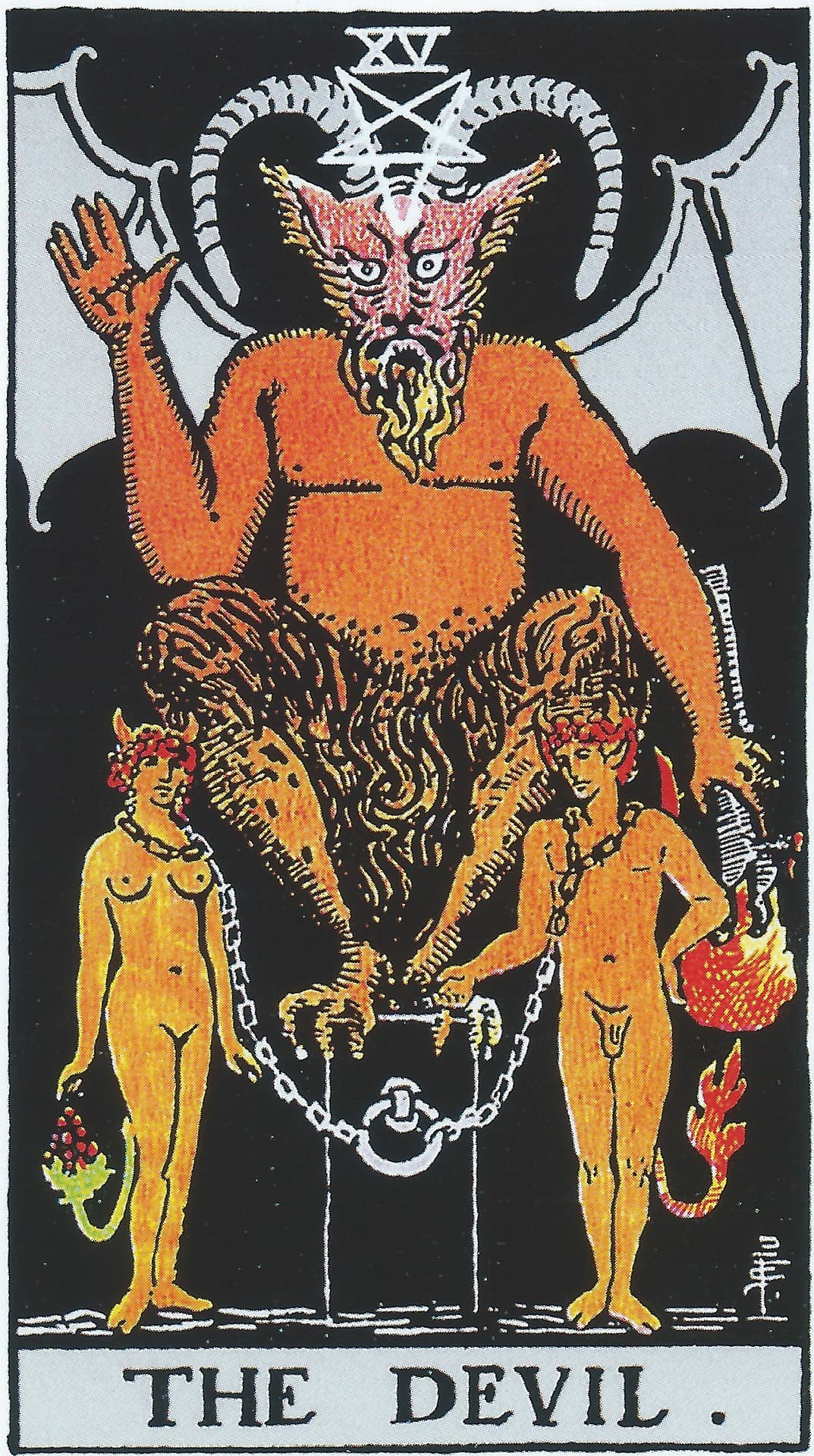
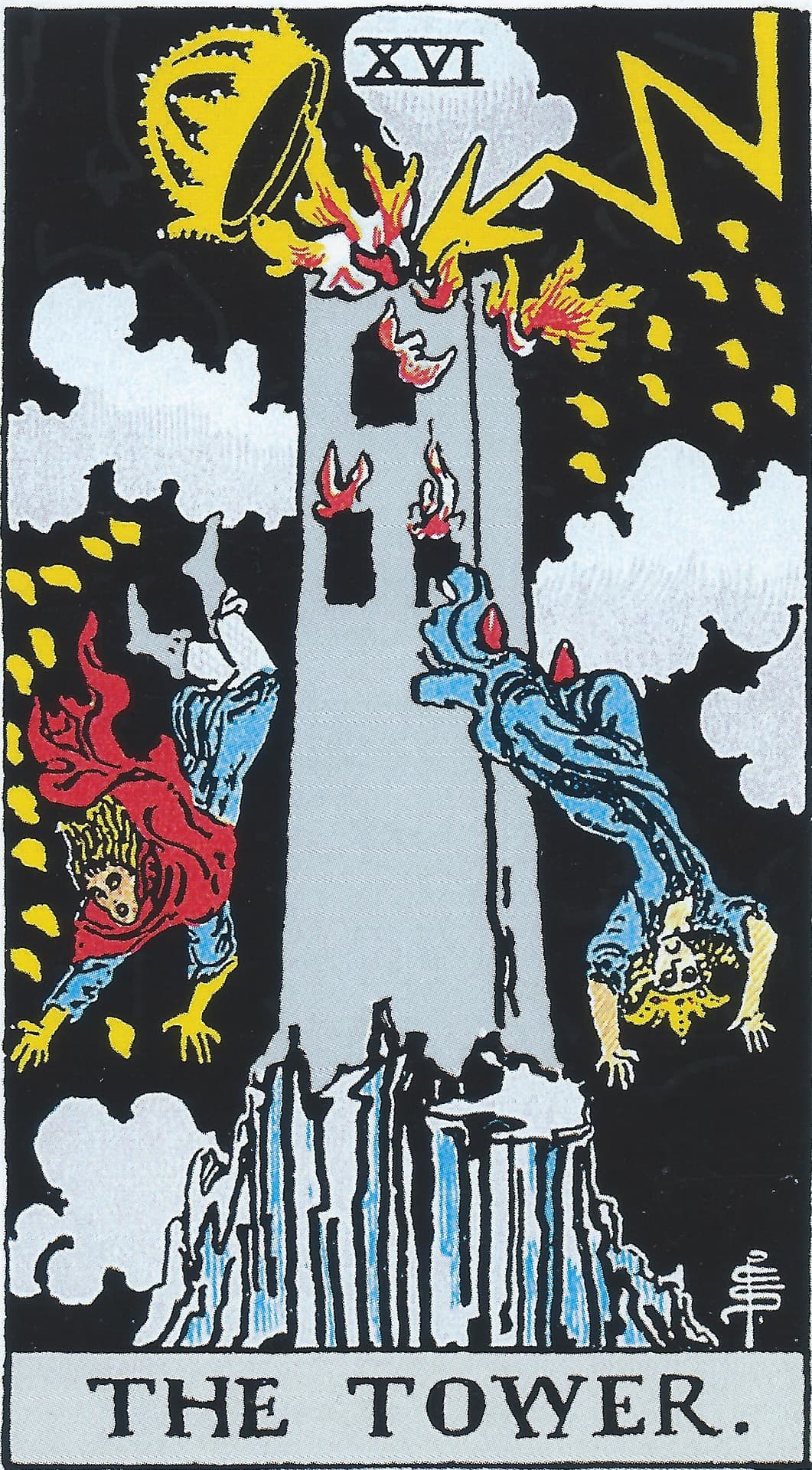
The Devil and The Tower together represent a dramatic breaking free from toxic patterns, addictions, or imprisoning situations. This intense combination signals that unhealthy attachments, codependency, or self-destructive behaviors are about to be shattered—often painfully, but necessarily—leading to eventual liberation.
Read the The Devil + The Tower combination
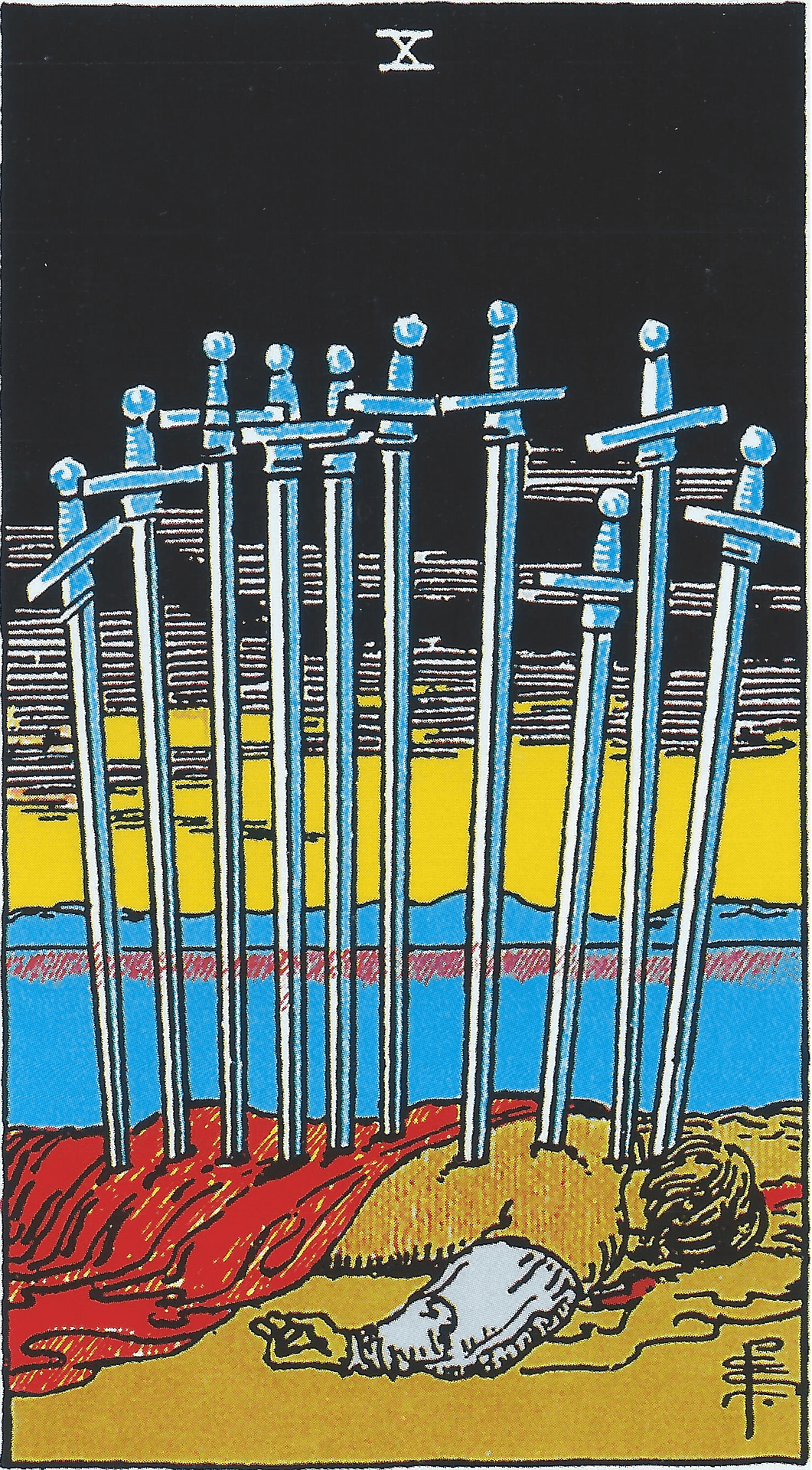
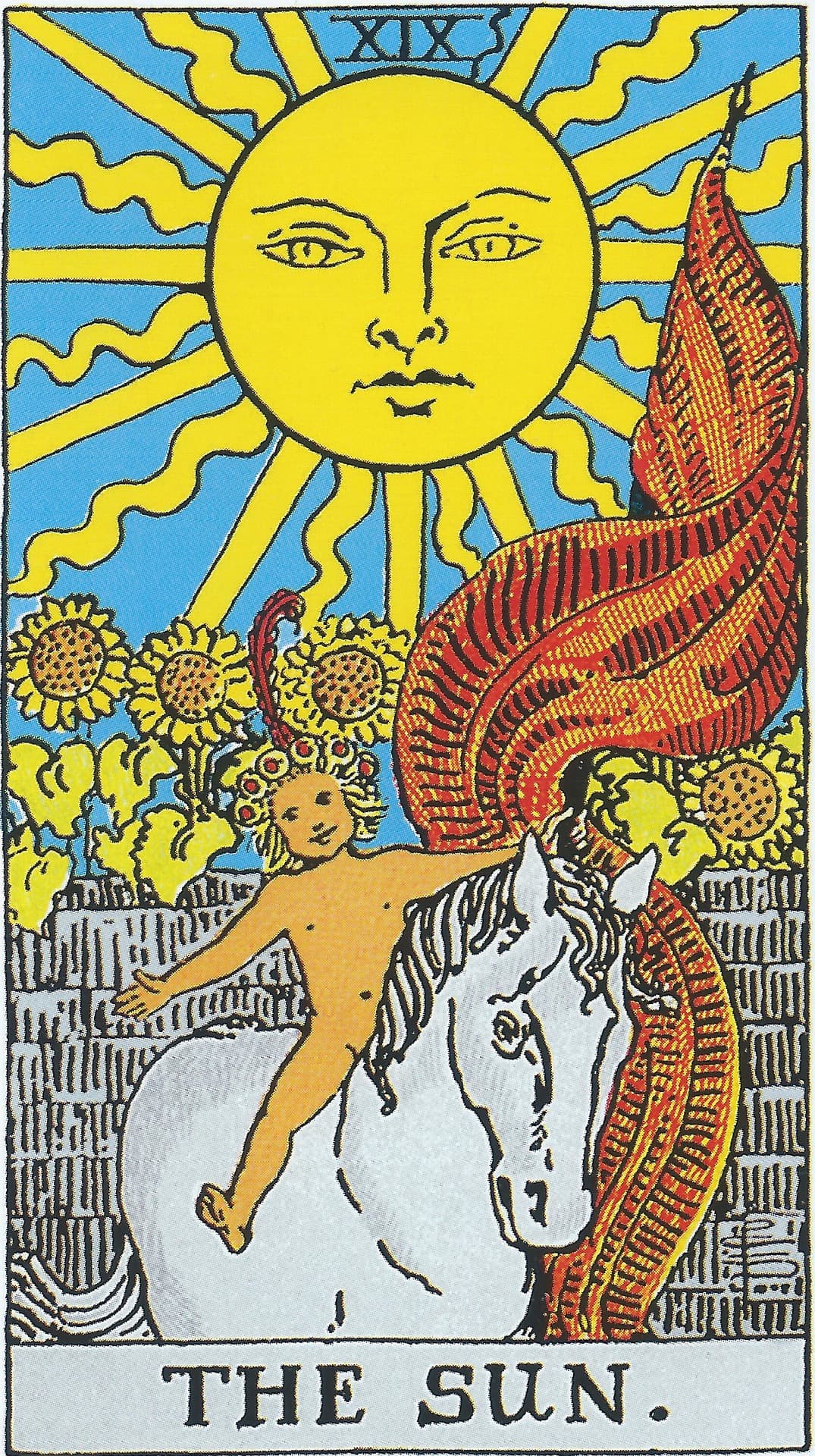
The Ten of Swords and The Sun together represent the darkest moment before dawn. This powerful combination indicates that after hitting an absolute low point—betrayal, defeat, or ending—a period of radiant joy, success, and clarity follows.
Read the Ten of Swords + The Sun combination
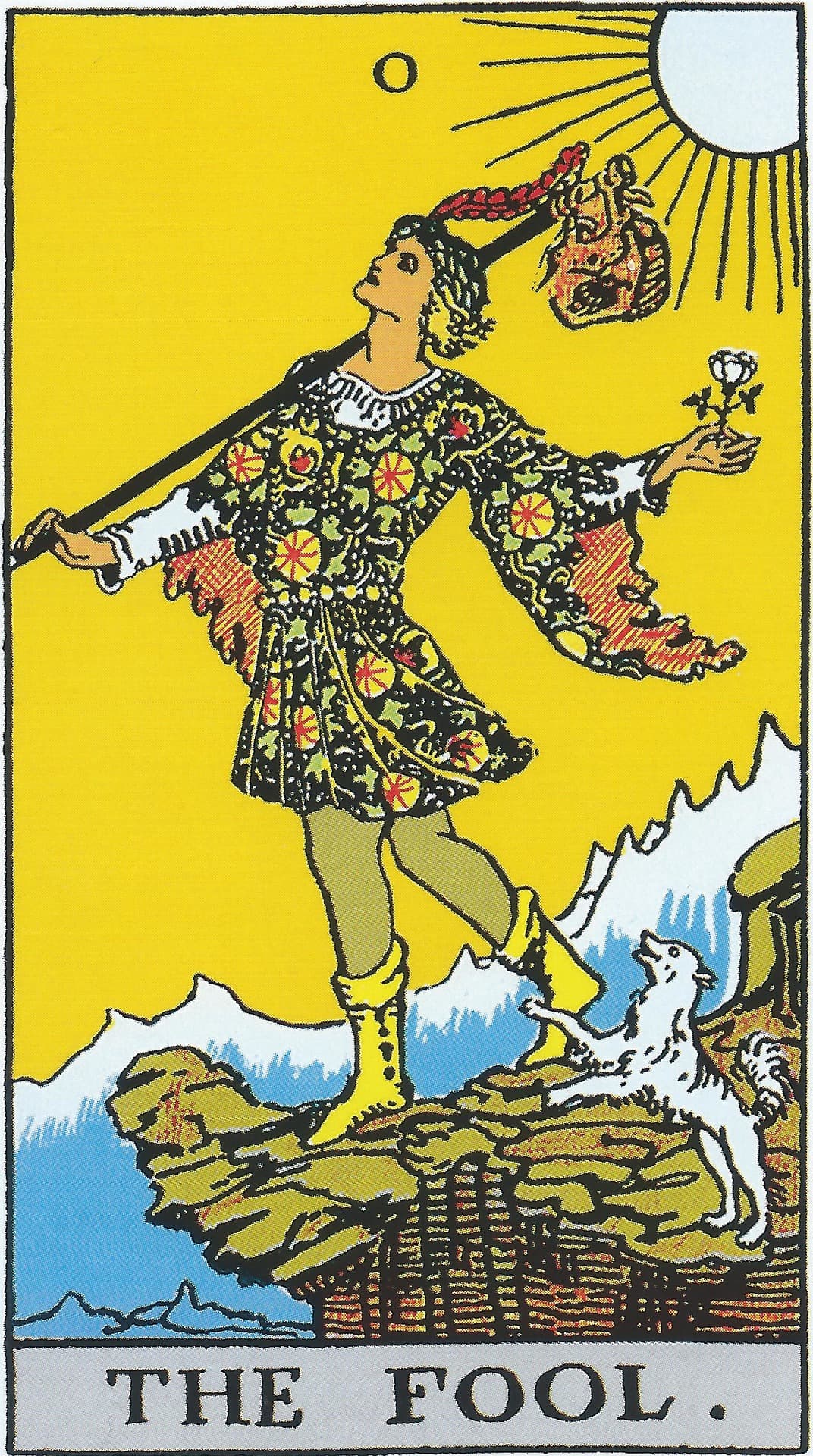
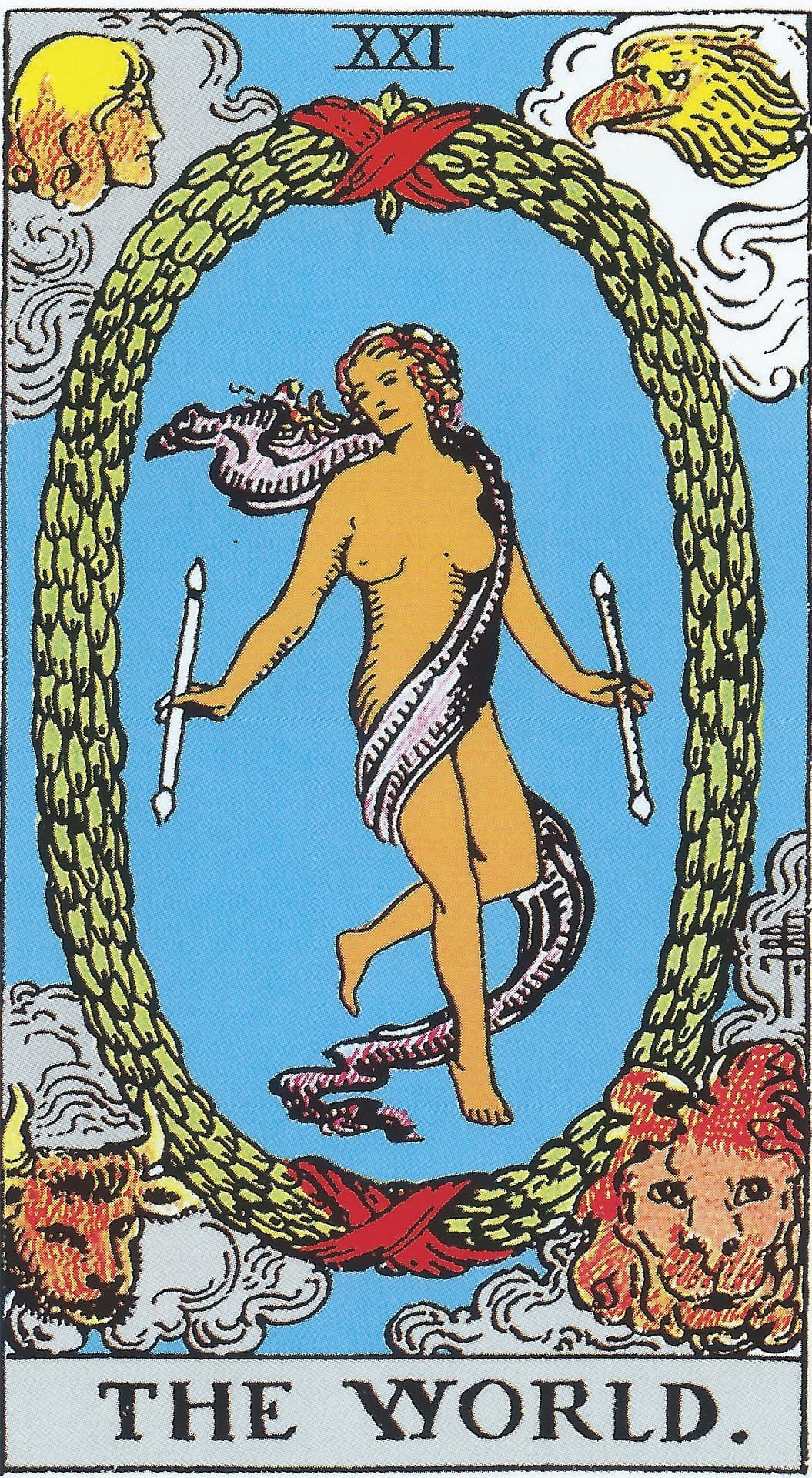
The Fool and The World together represent the full circle of life's journey—completion meeting new beginnings. This combination signals the end of one major life chapter and the exciting, spontaneous start of another.
Read the The Fool + The World combination
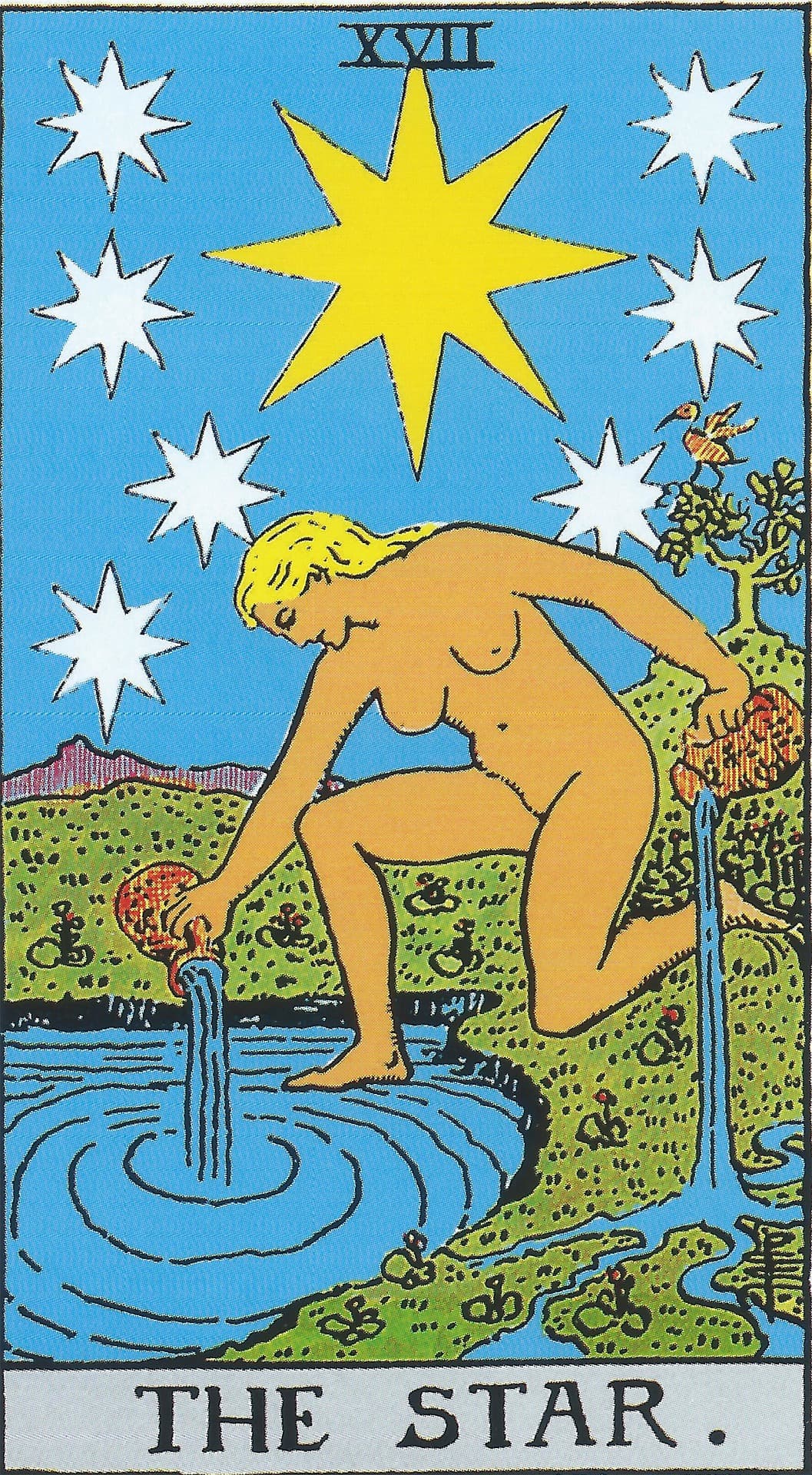
Death and The Star together represent transformation followed by healing and hope. This powerful combination indicates that a necessary ending or major change is leading directly to a period of renewed inspiration, peace, and spiritual clarity.
Read the Death + The Star combination
Example reading: the job that already ended
You have been at the same company for nine years. The title is respectable, the team is kind, and Sunday nights still feel like a held breath. You asked whether it is time to leave—not for a fantasy job, but because the role no longer matches the person you are at 6 p.m.
What is ending
Death
The ending is not the paycheck; it is the story that this role is the only adult way to be safe. Death here names a professional identity that already finished its lesson. You can keep showing up, but the growth in that chair is complete, and the card is asking you to admit that without turning it into a dramatic firing or a guaranteed better offer.
What is transforming
Eight of Pentacles
What is changing is your relationship to craft. The years of competence are not wasted; they are compost. The Eight of Pentacles in this middle place says the next chapter is made of skills you can carry, not a logo you can hide behind. Transformation looks like updating a portfolio, calling one peer, or naming the work you actually want to practice.
What is beginning
The Fool
The beginning is a first step taken without a full map—an application, a conversation with a mentor, a quiet savings plan that makes leaving possible later. The Fool does not promise the leap will land softly. It names beginner status as honest, not shameful, after a long season of being the person who already knows the building.
Frequently Asked Questions
What does Death mean in a tarot reading?
Death represents transformation, endings, change in tarot readings. The 13th tarot card (Death, Major Arcana XIII) is read as transformation, endings, and rebirth—not a forecast of physical death. PullTarot frames this as symbolic guidance for reflection and entertainment, not a guaranteed outcome.
Is Death a yes or no card?
Death is a maybe / it-depends card in yes/no readings; surrounding cards, your question, and what you do next matter more than a coin-flip. Pair that lean with the upright or reversed meaning instead of redrawing until you like the answer. PullTarot treats yes/no pulls as entertainment for US and Canadian readers, not medical, legal, or financial advice.
What does Death reversed mean?
Death reversed usually names resistance: a chapter that has already ended while you keep bargaining to hold it. The delay is the reading, not a prediction that change never arrives. PullTarot treats the 13th Major Arcana as reflection for readers in the United States and Canada, not a medical omen.
Does the Death tarot card mean physical death?
No. In ordinary tarot reading, Death (the 13th Major Arcana card) names an ending, transition, or rebirth—not a prediction of anyone dying. Ethical readers do not forecast physical death. PullTarot treats the card as symbolic reflection and entertainment, not medical advice.
Why is Death the 13th tarot card?
Death is Major Arcana XIII, the 13th card after The Hanged Man and before Temperance. The number marks a cycle completing so another can start. Queries like "13 tarot card" and "13th major arcana card" refer to this same card. Read it as transformation, not a calendar omen or a health prediction.
death tarot
Death tarot is Major Arcana XIII: an ending that clears one chapter so another can start, not a prediction that someone will die. People also search death tarot card meaning and death card tarot for this same image. Upright, name what you are done feeding. Reversed, notice where you are bargaining with a change that is already underway. PullTarot frames the card as reflection for readers in the United States and Canada, not a medical omen or a calendar date.
death tarot card meaning
Death tarot card meaning is transformation after a necessary ending—not a prediction that someone will die. The 13th Major Arcana names a chapter that has finished its work so another identity, job, or story can start. Ethical readers treat it as symbolic compost, not a medical or calendar omen. PullTarot frames the card as reflection for US and Canadian readers, not fortune-telling.
death card meaning
Death card meaning is the close of a cycle you can feel ending even if you have not named it yet. Upright, it often asks what you are done feeding; reversed, it can show clinging to a role that already ended. Surrounding cards show the scale—a job, a belief, a relationship pattern. Use it as a prompt to release, not as a verdict that loss is guaranteed.
tarot reading death
A tarot reading with Death is asking what is completing, not whether a person will die. In a spread it often sits on the thing that cannot be patched and has to be composted so the next card can breathe. Pair it with cups for grief, pentacles for a role or house, and wands for a calling that replaces the old one. PullTarot treats that as entertainment and self-inquiry, not a forecast of harm.
death tarot meaning
Death tarot meaning is rebirth through an ending you stop arguing with. The skeleton on horseback is a harvest image: what is ripe leaves the field so the soil can take a new crop. That is why the card can appear in hopeful readings—something false is clearing. Read it with your question; do not treat the number 13 as a threat.
tarot cards death meaning
In tarot cards, Death meaning is transition: one form ending so another can take its place. It is not a medical diagnosis, a legal outcome, or a promise that the new form will be easy. Compare it with the Ten of Swords (the last blow) and The Tower (sudden collapse) if you need to name the kind of ending. PullTarot keeps that comparison as a study tool, not a prediction.
What does the Death tarot card mean?
The Death tarot card means an ending that clears one chapter—an identity, role, or story—so another can start. It is Major Arcana XIII, the same card people look up as death tarot card meaning and death card meaning. It does not forecast physical death. PullTarot frames it as symbolic entertainment, not a calendar date or a diagnosis.
What does Death mean in love?
In love, Death often names a pattern that has finished its work: how you date, a role you play, or a story about the relationship—not a verdict that a specific person will leave. Surrounding cards show whether the shift is a goodbye or a deeper commitment. PullTarot reads it as reflection, not relationship advice.
Sit with the card
- What chapter in your life has already ended, even if the furniture is still there?
- What would you stop performing if you trusted that an ending can be a compost pile, not a punishment?
- Where are you bargaining with a change that is already underway?
Reflection & Journal Prompts
When Death appears upright
What in my life is ready to end or transform? How can I embrace this change with grace and courage?
Tools for your practice
Optional companions for your practice.

Beginner-Friendly Tarot Deck
Clear, modern artwork that is easy to read while you learn.
Current price shown on Amazon

Woodland Wardens Oracle Deck
A nature-inspired 52-card oracle with guidebook for intuitive draws alongside tarot.
Current price shown on Amazon
PullTarot may earn a commission if you buy through these links, at no extra cost to you. Affiliate disclosure
Related cards — Related Tarot Cards: which cards pair with Death?
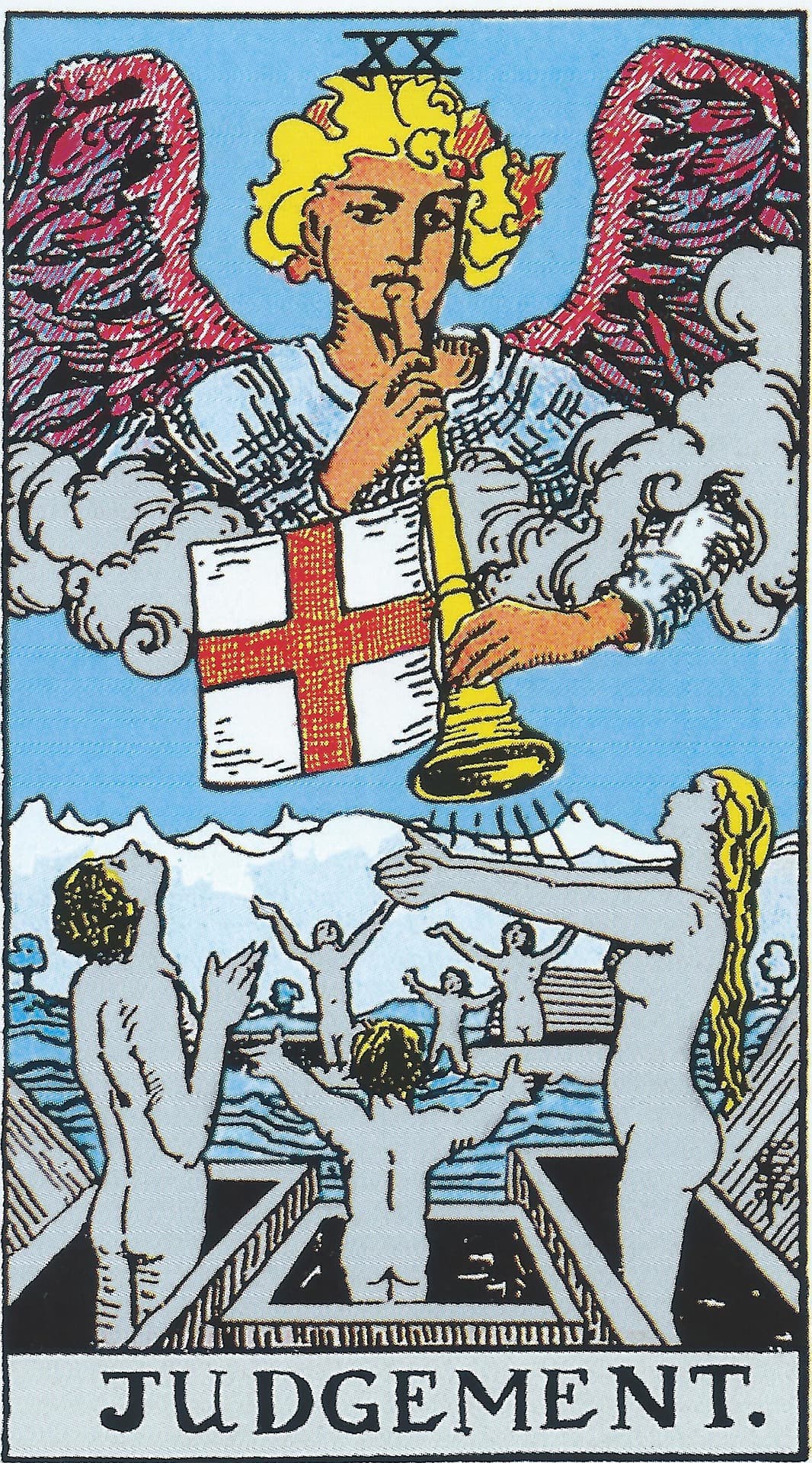
Related Tarot Cards for Death are The Fool, The Tower, and Judgement. Those cards share suit, sequence, or theme, so comparing them shows what Death is adding in the spread rather than treating it as a standalone forecast.
Ready for Your Personal Reading?
Discover how Death speaks to your unique journey with a personalized tarot reading.
Start Your Reading